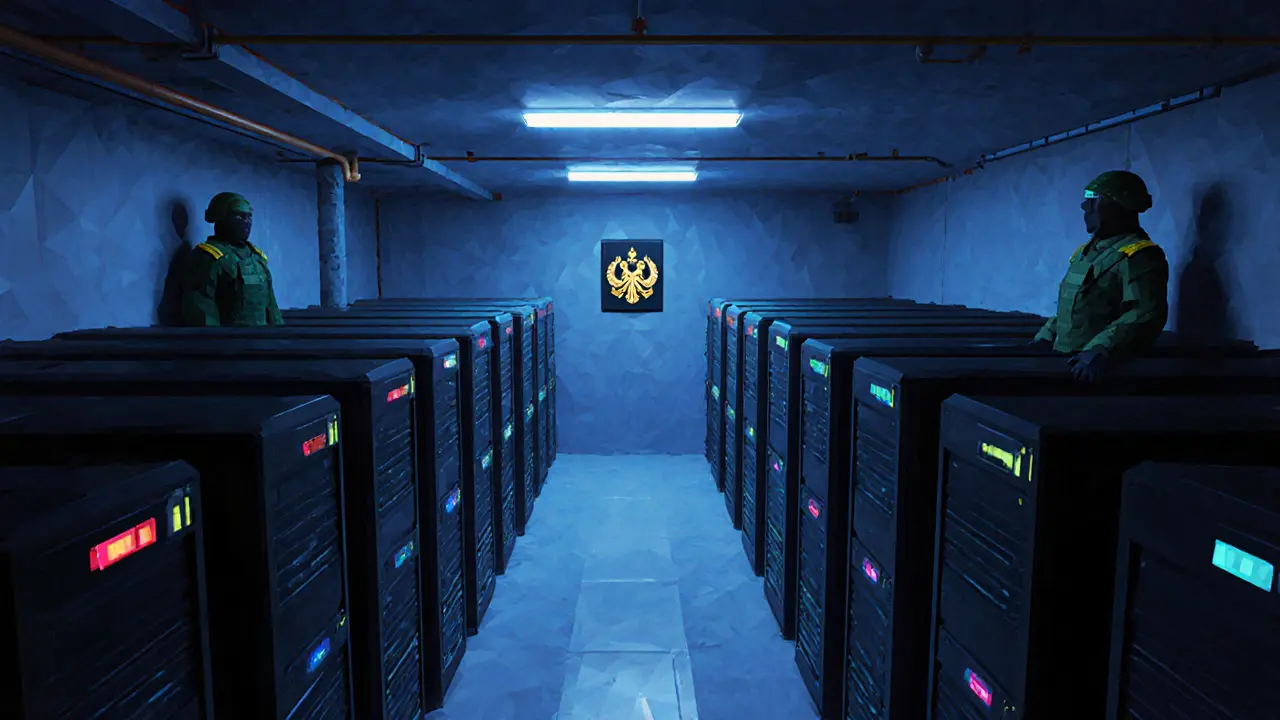

When looking at Bitcoin mining Iran, the practice of using hardware to secure the Bitcoin network within Iran's borders. Also known as Iranian Bitcoin mining, it sits at the crossroads of energy policy, sanctions law, and tech procurement. The activity is shaped by Iranian crypto regulations, laws and sanctions that govern digital assets in the country, which dictate who can operate a farm and which exchanges can be used for payouts. Meanwhile, electricity tariffs, the cost per kilowatt‑hour set by the national grid directly affect profitability because mining rigs consume huge amounts of power. Finally, mining hardware availability, the supply of ASICs and GPUs that miners rely on is limited by import restrictions and global shortages. In short, Bitcoin mining Iran requires navigating a web of policy, cost, and technology – a triple that decides whether a farm can stay afloat.
First, the regulatory environment creates both opportunities and roadblocks. Iran’s Ministry of ICT has issued licences for crypto‑related businesses, but the same authorities also enforce strict anti‑money‑laundering rules that can freeze wallets linked to sanctioned entities. This means miners must keep detailed transaction records and often route earnings through local exchanges that comply with the latest sanctions lists. Second, energy economics dominate the decision‑making process. Recent data show that industrial electricity rates in Iran can be as low as $0.02 per kWh for approved projects, yet domestic consumption spikes and seasonal cooling demand push prices up, squeezing margins for miners who rely on constant operation. Third, hardware sourcing is a puzzle. With US export controls blocking many ASIC manufacturers from selling directly to Iran, miners turn to secondary markets, refurbish older equipment, or collaborate with regional partners in neighboring countries. Each of these routes adds cost, risk, and sometimes lower efficiency, which feeds back into the profitability equation. The interplay among regulation, power pricing, and hardware access forms a feedback loop: tighter rules raise compliance costs, which raise the break‑even price of Bitcoin, which can in turn prompt miners to seek cheaper electricity or older gear.
Understanding these connections helps you plan realistic projects. If you’re assessing a new farm, start by mapping local tariff schedules and checking whether your planned location qualifies for the industrial discount tier. Next, verify that any hardware you intend to import complies with both Iranian licensing and international sanction lists – a missed step can halt operations overnight. Finally, build a compliance workflow that logs every payout, swaps, and off‑ramp transaction; this not only satisfies regulators but also gives you a clear audit trail for tax reporting. The articles below dive deeper into each of these topics, from detailed guides on navigating Iran’s crypto bans to case studies on how Swedish policy shifts impacted mining profitability. Armed with this context, you’ll be ready to evaluate the true cost and risk of Bitcoin mining Iran and decide whether it fits your investment strategy.
A deep dive into Iran's unlicensed crypto mining, exposing how the IRGC exploits cheap electricity, evades sanctions, and impacts everyday citizens.