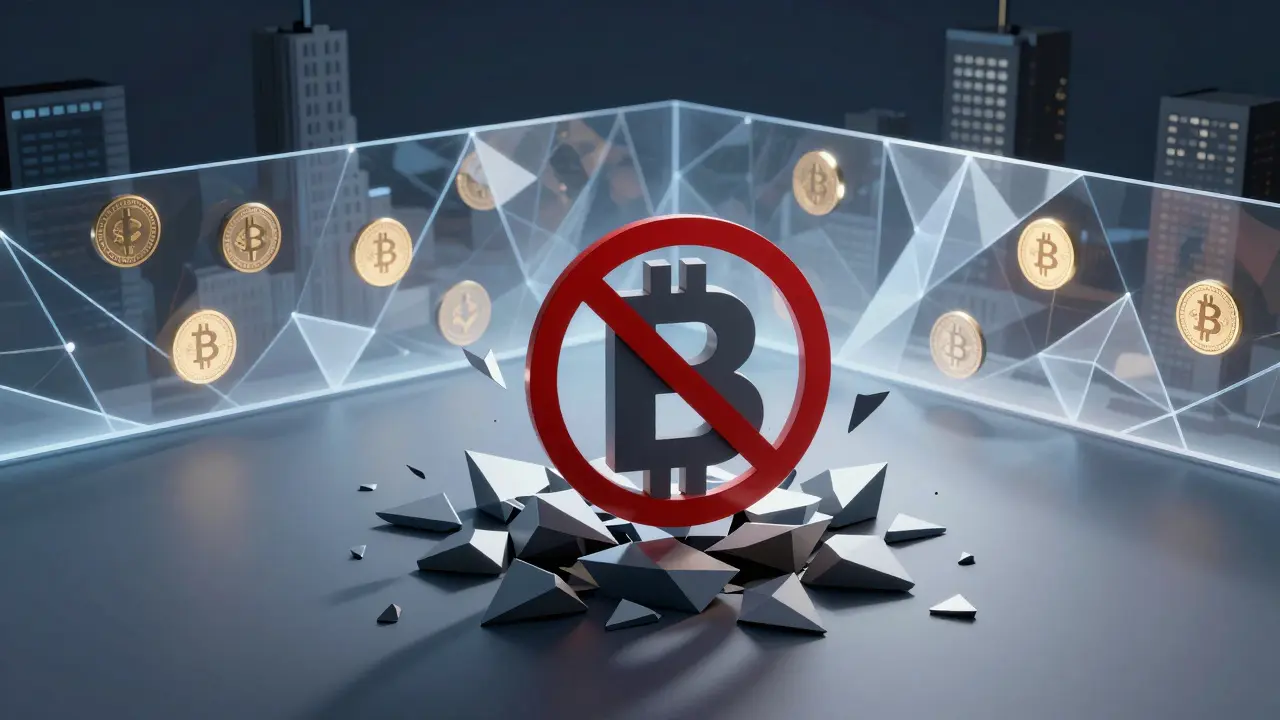

When people search for Coinbase China, a supposed localized version of the U.S.-based crypto exchange Coinbase operating in China. Also known as Coinbase CN, it China Coinbase, it is not a real entity. Coinbase, the company, does not operate in China. It never has. It never will. The idea of "Coinbase China" is a scammer’s invention, a fake website, or a phishing lure designed to steal your crypto.
China banned cryptocurrency trading and mining in 2021. The government shut down exchanges, froze bank accounts tied to crypto, and cracked down on any platform offering crypto services. Even foreign exchanges like Binance, Kraken, and Coinbase were forced to exit. Today, Chinese citizens can’t legally use Coinbase to buy Bitcoin, trade Ethereum, or access any crypto wallet service tied to the platform. Any site claiming to be "Coinbase China" is either a clone, a fake app, or a social engineering trap. These sites often look real—they copy Coinbase’s logo, use similar URLs, and even fake customer support chats. But they’re built to drain your wallet the moment you connect your MetaMask or enter your seed phrase.
What you might actually find in China are peer-to-peer (P2P) platforms like CoinCola, a crypto exchange that lets users trade Bitcoin and USDT using local payment methods like WeChat Pay or Alipay. But even these operate in a legal gray zone. They’re not licensed by Chinese authorities, and users often face frozen funds or sudden account closures. The same goes for platforms like Bitocto, an Indonesian exchange with no regulatory oversight and no safety guarantees. Neither is connected to Coinbase. Neither is safe. And neither is legal under China’s current rules.
Scammers know people still want crypto. So they invent fake names—"Coinbase China," "Binance China," "OKX China"—and target users through Telegram groups, TikTok ads, or Google search results. They promise lower fees, faster withdrawals, or "exclusive" access. But there’s no such thing. If you see a link to "coinbase-china.com" or an app called "Coinbase CN," don’t click it. Don’t download it. Don’t even think about it. The only thing you’ll get is a drained wallet and a lost phone.
China’s stance on crypto hasn’t changed. The government controls the financial system tightly. It wants digital currency—but only its own, the digital yuan. It doesn’t want decentralized money. That’s why you won’t find Coinbase, Binance, or any major exchange operating legally there. If someone tells you otherwise, they’re either lying or trying to profit from your trust. Real crypto education in China now happens through private channels, encrypted forums, or overseas exchanges accessed via VPNs—risky, but not illegal for personal use. Still, you’re on your own. No customer support. No refunds. No protection.
What you’ll find in the posts below aren’t guides to "Coinbase China." They’re real, verified breakdowns of crypto platforms that actually exist—some good, some dangerous. You’ll read about CDAX, a fake exchange with no audits or reviews. You’ll see how CoinW Token, a real token with no free airdrop, works. You’ll learn why XSUTER, a token with zero official presence, can’t be claimed. These aren’t myths. They’re facts. And they’ll help you avoid the next fake "Coinbase China" before it steals your money.
China banned all centralized crypto exchanges in 2021, and the restrictions tightened through 2025. While owning crypto isn't illegal, trading through regulated platforms is. The government blocks access, monitors wallets, and pushes its own digital yuan instead.