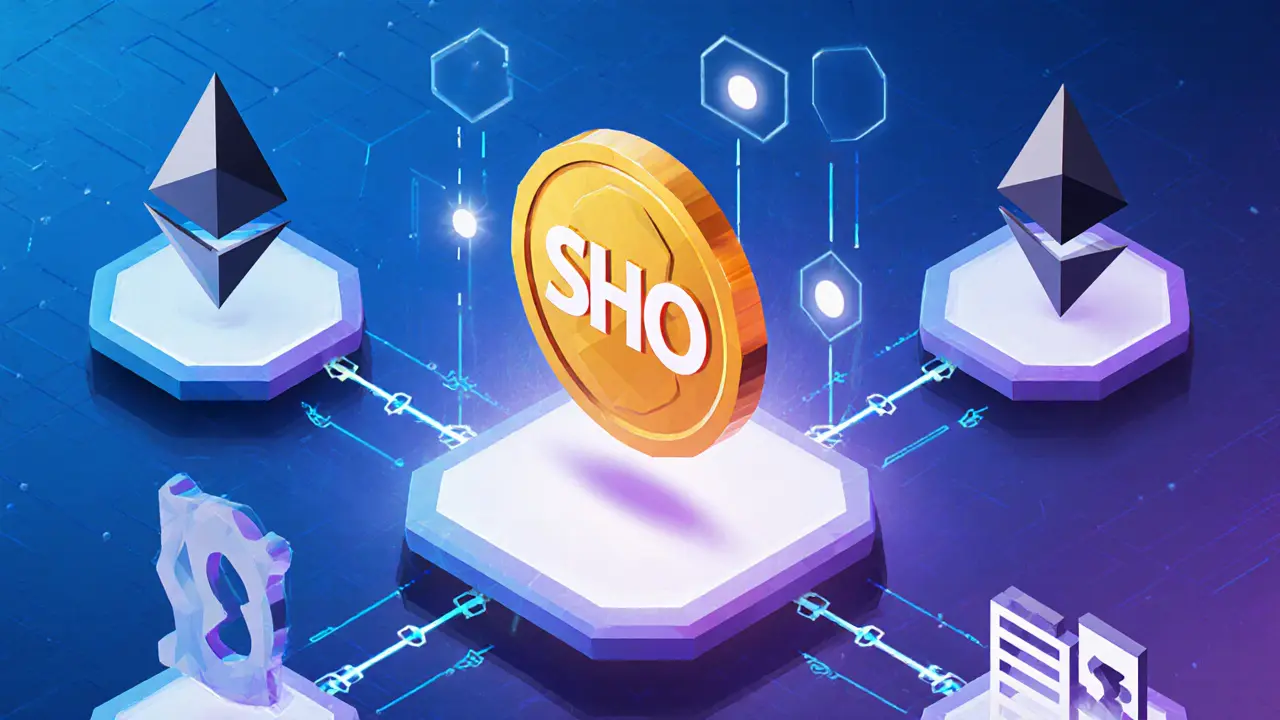

When exploring SHO airdrop, a token giveaway that distributes free SHO tokens to eligible wallets based on on‑chain activity. Also known as SHO token distribution, it aims to boost network participation and raise awareness for the underlying project.
Other airdrop events follow similar patterns. For example, the VOW airdrop, a community‑driven token drop that rewarded users for staking and voting showed how governance actions can unlock rewards. The CrossWallet CWT airdrop, a multi‑chain giveaway that required holding CWT in a supported wallet demonstrated the importance of cross‑chain compatibility. Meanwhile, the TopGoal NFT airdrop, an NFT distribution tied to the football metaverse that blended collectibles with utility highlighted the growing link between NFTs and token incentives. If you’re eyeing SHO airdrop, keep reading.
SHO airdrop encompasses token distribution, eligibility verification, and claim execution. Claiming an airdrop usually requires a compatible wallet, a minimum activity threshold, and sometimes a social‑media step like joining a telegram or retweeting an announcement. Eligibility often hinges on on‑chain snapshots, so keeping your address active before the snapshot date is crucial. Risks include phishing sites that mimic official claim pages, and tax obligations that vary by jurisdiction; always double‑check the URL and verify the source on the project’s official channels. Compared to the VOW airdrop, SHO’s eligibility criteria are stricter, but the potential reward is higher because the token is slated for listing on several mid‑cap exchanges, which can boost liquidity quickly after the drop.
Understanding the mechanics of airdrops helps you avoid scams and maximize gains. AirDrop eligibility requires wallet activity, and the process influences token liquidity once the distribution hits the market. The CrossWallet CWT airdrop influenced token liquidity by flooding multiple chains with the same token, a pattern we see repeating with SHO as it prepares for a cross‑chain rollout. This cross‑chain approach can attract a wider user base but also adds complexity to the claim process, so you’ll need to watch for multi‑network bridge instructions and confirm the correct chain before submitting a claim. Security tips include: use a hardware wallet when possible, enable two‑factor authentication on exchange accounts, and never share your private keys.
Beyond the basics, the SHO airdrop’s tokenomics play a big role in its long‑term value. The total supply is capped at 500 million SHO, with 15 % allocated for the airdrop, 30 % reserved for ecosystem development, and the rest split between the team and investors. Knowing these ratios helps you gauge potential price pressure once the tokens start trading. Also, the project plans to burn a portion of unsold tokens after the launch, which could create scarcity and support price growth. For anyone looking to stay ahead of the curve, keeping an eye on the official roadmap, community updates, and any partnership announcements is essential—these often trigger secondary airdrops or bonus rewards.
Below you’ll find a curated list of articles that break down every aspect of the SHO airdrop—how to claim, what the tokenomics look like, risk management tips, and real‑world examples from other drops. Dive into the guides to get actionable steps and stay ahead of the curve.
Discover everything you need to know about the upcoming SHO airdrop by Showcase-eligibility, claim steps, safety tips, and how to prepare your wallet.