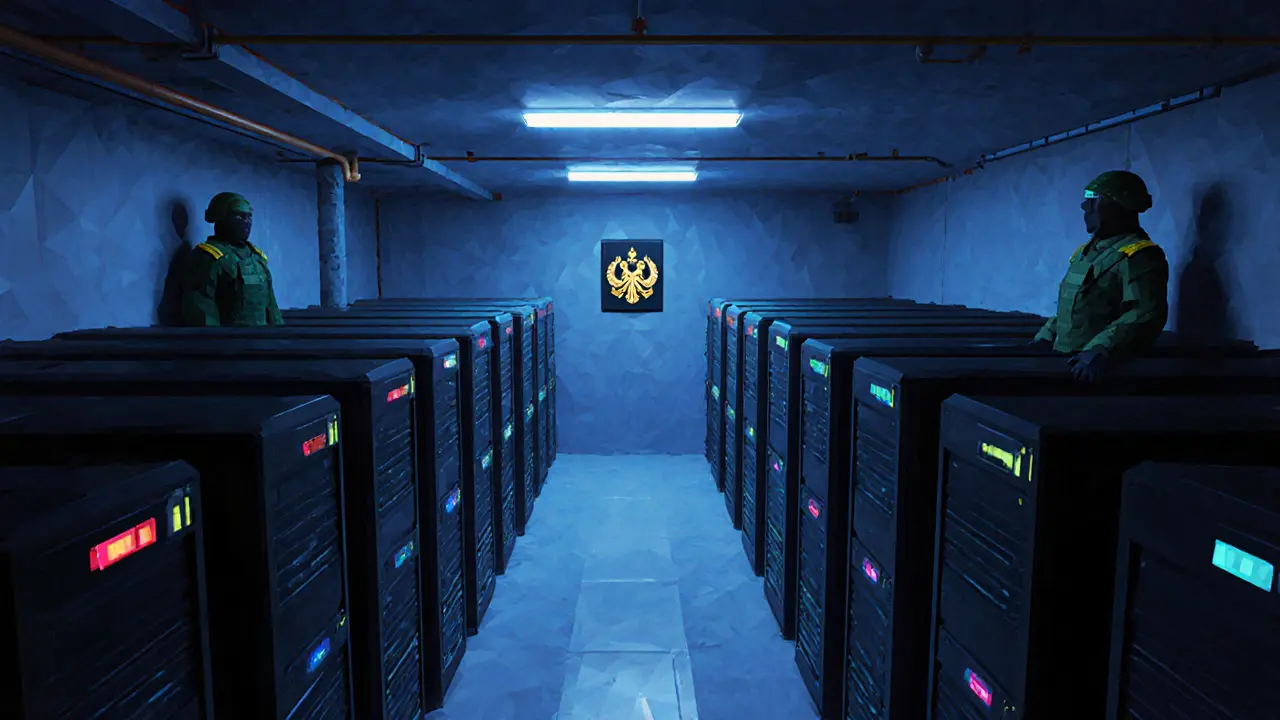

When you hear unlicensed mining, the practice of running cryptocurrency mining rigs without the required permits or official approval, three other ideas immediately pop up: crypto mining regulations, the set of laws and licensing requirements that dictate where and how mining can operate, energy consumption, the massive electricity draw that mining hardware demands, and mining hardware, specialized GPUs, ASICs and cooling systems built for hash‑rate efficiency. The link between them is simple: running a rig without a license usually means you’re cutting corners on compliance, ignoring local power tariffs, and often deploying hardware in places that can’t handle the heat. That combo draws the attention of utilities, regulators, and sometimes criminal investigators. In practice, an unlicensed operation can get shut down overnight, face hefty fines, or even trigger criminal charges if it’s linked to fraud or electricity theft. The bottom line is that the lack of a legal framework turns a profitable hobby into a risky gamble.
Real‑world examples show why the stakes are high. Sweden recently scrapped its crypto‑mining tax breaks and slapped hefty energy taxes on all mining, forcing many unlicensed outfits to pack up their rigs. The policy shift was driven by a surge in illegal electricity use and public backlash over rising power bills. Meanwhile, El Salvador’s experiment with Bitcoin legal tender revealed how quickly a government can swing from support to restriction when unlicensed miners start tapping into national grids without oversight. Even in countries with lax rules, banks and payment providers are tightening AML/KYC checks, meaning that cashing out earnings from an unlicensed farm can become a logistical nightmare. These stories illustrate a clear pattern: when regulations tighten, energy costs rise, or hardware fails to meet safety standards, unlicensed mining quickly becomes unsustainable.
Understanding the full picture helps you decide whether to stay on the straight‑and‑narrow side of the law or risk the pitfalls of a rogue operation. Below you’ll find a curated collection of articles that break down the mechanics of crypto airdrops, deep‑dive exchange reviews, and the latest policy shifts affecting miners worldwide. Whether you’re curious about the technical side of mining rigs, the financial impact of energy taxes, or how regulators define “licensed” in different jurisdictions, the posts ahead give you practical insights and real‑world data. Keep reading to see how each piece fits into the broader conversation around unlicensed mining and what it means for the crypto ecosystem.
A deep dive into Iran's unlicensed crypto mining, exposing how the IRGC exploits cheap electricity, evades sanctions, and impacts everyday citizens.