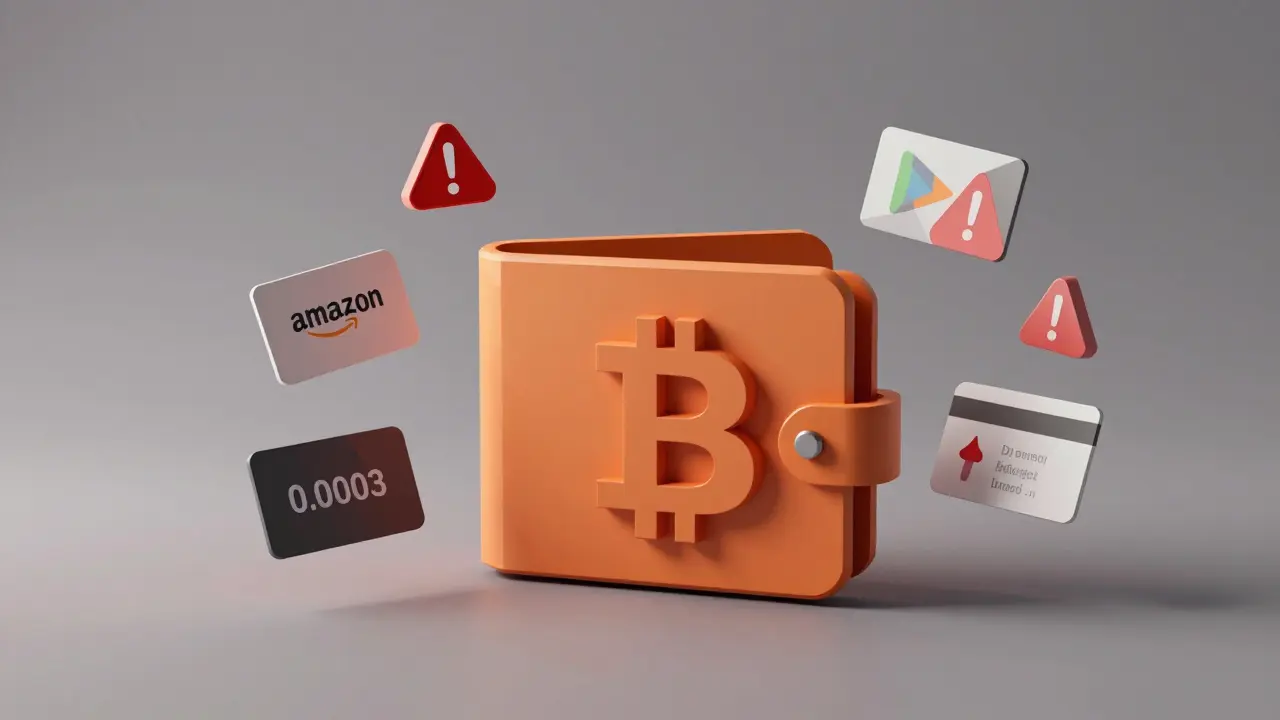
When you trade crypto on a P2P crypto exchange, a platform that connects buyers and sellers directly without holding funds or acting as a middleman. Also known as peer-to-peer crypto trading, it lets you pay with bank transfers, PayPal, cash, or even gift cards—no bank account needed. This isn’t just convenience. For people in countries with strict capital controls or unstable banks, like Argentina or Nigeria, P2P is how they protect their savings and send money across borders.
Unlike centralized exchanges like Binance or Coinbase, P2P platforms don’t hold your crypto. You deal directly with another person. That means faster access, lower fees, and more payment options. But it also means you’re on your own if someone tries to scam you. That’s why crypto regulations, government rules that control how digital assets are bought, sold, and reported. Also known as crypto compliance, they’re tightening fast—especially in places like Thailand, where five major foreign P2P platforms were shut down in 2025. Local exchanges now need licenses, and users lost access to funds overnight. Meanwhile, in Bolivia, crypto went from banned to booming in under two years, proving rules can shift overnight.
But not every P2P trade is legal. Some users get tricked by fake escrow systems or fake payment screenshots. Scammers exploit the lack of KYC to run money laundering schemes. That’s why you’ll find posts here exposing shady platforms like CDAX and Bitocto—places with no audits, no reviews, and no real support. Others show how real P2P trading works on legit platforms, like how Argentines use USDT to beat hyperinflation, or how Nigerian traders bypass banking limits with local mobile money.
What you’ll find below isn’t just a list of articles. It’s a practical guide to spotting the difference between a safe P2P trade and a trap. You’ll learn how regulations are reshaping access, how scams mimic real platforms, and why some exchanges are built for speed while others are built for control. Whether you’re trading small amounts to avoid fees or trying to move money out of a failing economy, the tools are there—but so are the risks. Know how to use them before you click send.
CoinCola offers P2P crypto trading and gift card exchanges but has serious withdrawal issues, hidden fees, and unresponsive support. Real users report frozen accounts and lost funds. Not recommended unless you're in an unbanked region with no alternatives.