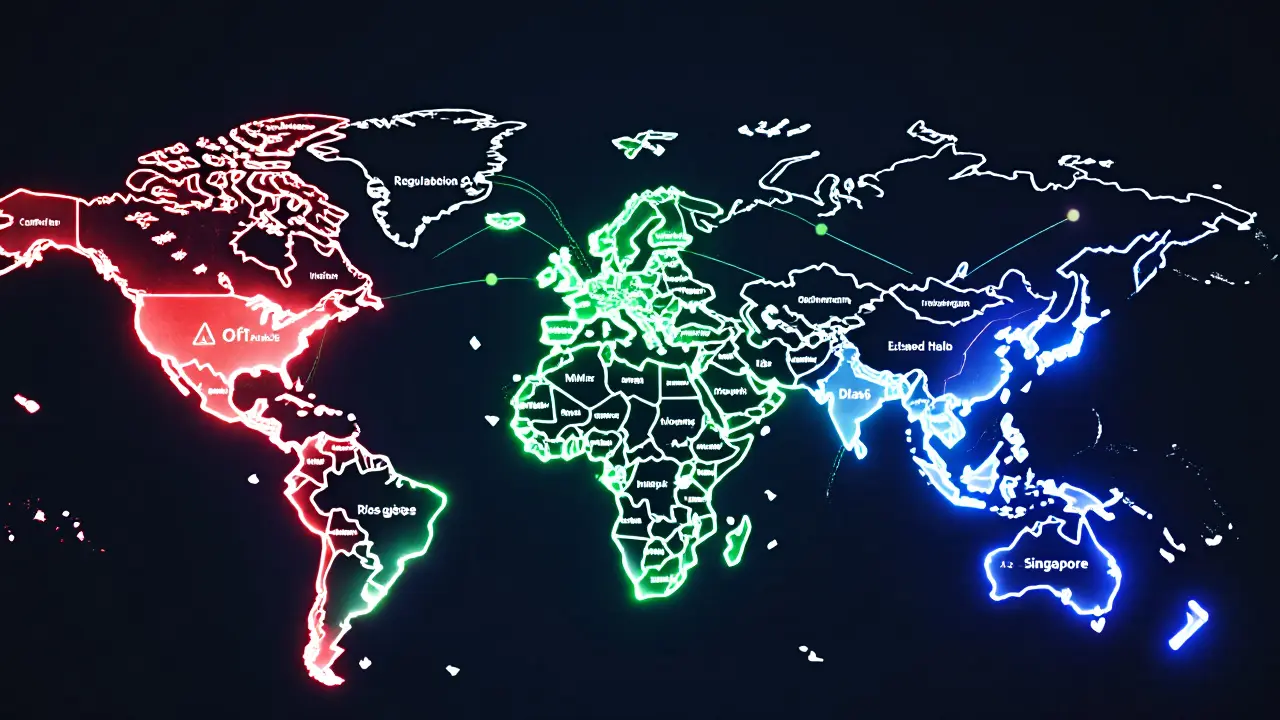

When it comes to crypto regulations, official rules that govern how cryptocurrencies are used, traded, and taxed across countries. Also known as cryptocurrency laws, these rules are no longer optional—they’re the difference between keeping your money and losing it to a fake exchange or a frozen wallet. In November 2025, governments didn’t just tweak rules—they rewrote them. Thailand shut down five foreign P2P platforms. The EU enforced MiCA and TFR sanctions with real penalties. Namibia required VASP licensing for any business handling crypto. Bolivia, once a total ban, now sees $294 million in crypto transactions in six months. This isn’t policy drift. It’s a global reset.
Behind every regulation is a scam trying to slip through. crypto scams, fraudulent projects designed to steal funds by pretending to offer airdrops, exchanges, or revolutionary tokens. Also known as crypto fraud, these are the hidden cost of innovation. Look at XSUTER, MoMo KEY, and Galaxy Adventure Chest—all fake airdrops with zero official presence. Then there’s CDAX, a non-existent exchange with no audits, no reviews, no nothing. These aren’t edge cases. They’re the new normal. And they’re getting smarter. Scammers now copy real project names, fake press releases, and even use AI-generated logos. The only defense? Verify everything. If there’s no official website, no team, no community, it’s a trap.
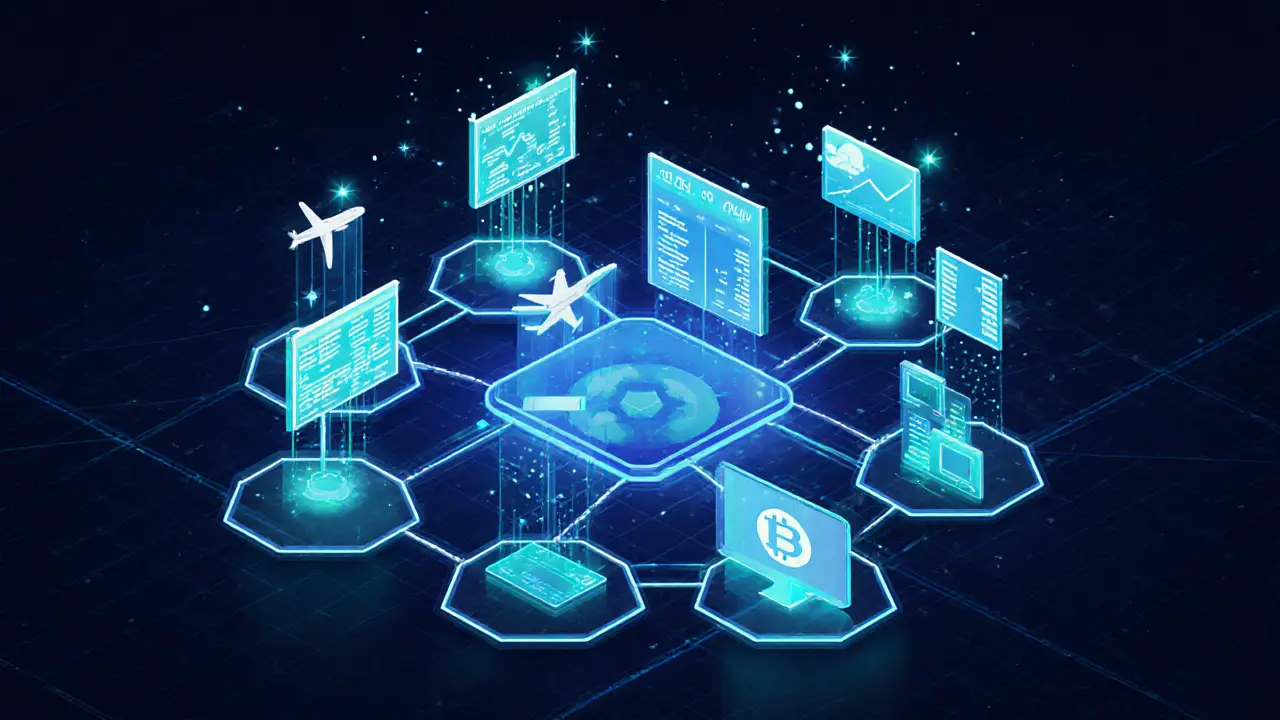
Meanwhile, the real builders are still working. blockchain oracles, secure systems that connect smart contracts to real-world data like prices, weather, or flight status. Also known as decentralized oracle networks, they’re the invisible glue holding DeFi together. Chainlink, used by over 1,400 projects, isn’t flashy—but it’s essential. Without oracles, DeFi can’t price loans, trigger insurance payouts, or settle bets. And then there are the DeFi tokens, cryptocurrencies built to run decentralized finance protocols like lending, trading, or yield farming. Also known as utility tokens, many of them are dead. Rook (ROOK) collapsed by 99.96%. MoneySwap (MSWAP) vanished. Inery ($INR) trades for $11 a day. These aren’t failures—they’re warnings. If a token has no users, no liquidity, and no code updates, it’s not a project. It’s a graveyard listing.
NFT royalties? Still broken. ERC-2981 exists, but most marketplaces ignore it. Creators get paid only if the platform feels like it. Real estate NFTs? Real—but only if you know which platforms actually hold property titles. And yes, Argentines are still using USDT to survive hyperinflation. Thais are trading only on licensed apps. Namibians are applying for licenses. The crypto world isn’t collapsing. It’s sorting itself out. The noise is loud, but the signal is clear: if you don’t understand the rules, the scams, and the real tech behind the hype, you’re not investing—you’re gambling. Below are the facts, the breakdowns, and the red flags from November 2025. No fluff. No hype. Just what happened, and why it matters.
NFT royalties let creators earn from secondary sales, but not all marketplaces pay them. Learn how ERC-2981 works, why some platforms ignore royalties, and what creators and buyers should do in 2025.
CDAX is not a real crypto exchange. No credible sources list it, and it has no security audits, regulatory status, or user reviews. Avoid it-this is a scam platform designed to steal your crypto.
GMX on Arbitrum offers 100x leverage, zero KYC, and real ETH rewards for stakers. One of the most liquid decentralized exchanges for BTC and ETH trading with deep pools and low fees.
Rook (ROOK) was a DeFi token designed to coordinate MEV extraction on Ethereum. Once worth over $800, it has collapsed by 99.96%. Today, it's a dead project with no development, liquidity, or future.
Crypto regulations are changing fast worldwide in 2025. From U.S. policy shifts to EU licensing rules and Asian compliance standards, staying updated isn't optional-it's essential to protect your assets and avoid legal trouble.
As of November 2025, there is no verified XSUTER airdrop from xSuter. No official announcement, no claim portal, and no token details exist. Beware of scams pretending to offer free XSUTER tokens.
Bitocto is an Indonesian crypto exchange offering Bitcoin and Ethereum trading with IDR. But with high-risk ratings, no transparency on fees or security, and no user reviews, it's not safe for serious traders.
Fi - Ai With Daddy Issues (SHEGEN) is a Solana-based meme coin built around a satirical AI persona. With no utility, low liquidity, and extreme volatility, it's a social experiment, not an investment.
Retard Finder Coin (RFC) is a Solana-based meme coin with no utility, created as a joke from a viral Twitter account. It's purely for entertainment, with wild price swings and zero long-term value.
Web3Shot (W3S) claims to be a Learn-to-Earn crypto token for blockchain education, but it has no platform, no users, and fake price data. It's a high-risk scam with no real utility or exchange listings.
Blockchain oracles connect smart contracts to real-world data like prices, weather, and flight status. They solve the oracle problem by securely fetching, verifying, and delivering off-chain information to blockchains. Chainlink is the dominant network, used by over 1,400 projects.
The FEAR token airdrop in 2021 was easy but meaningless. Today, the token trades at $0.0084 with no real project behind it. Learn why this airdrop is obsolete and what modern crypto rewards now require.