

Bakkt Crypto Exchange Review 2026: Is It Safe for Retail Traders?
 Jun, 21 2026
Remember when the big financial players promised to bring crypto into the mainstream? That was the pitch for Bakkt, a digital asset platform backed by the Intercontinental Exchange (ICE). For years, it felt like the bridge between Wall Street and Bitcoin. But as we move through 2026, the reality on the ground looks very different from the hype of 2018. You might be wondering if this regulated giant is actually a good place for your money, or if it’s just another overcomplicated exchange with high barriers to entry.
I’ve spent time digging into how Bakkt operates today. The short answer? It’s a fortress for institutions but often a frustrating maze for regular people. If you are looking for a place to park millions in Bitcoin with top-tier security, Bakkt has its merits. But if you’re a retail trader wanting to swap tokens quickly or talk to a human when things go wrong, you might want to keep reading before you sign up.
The Core Problem: Institutional Grade vs. Retail Reality
To understand Bakkt, you have to understand who built it. ICE is the same company that runs the New York Stock Exchange and major futures markets. When they launched Bakkt in 2018, the goal was clear: make crypto safe enough for pension funds and banks. They succeeded there. As of January 2026, the company officially rebranded to "Bakkt, Inc." and trades publicly, signaling a maturation into a serious financial infrastructure player.
However, this institutional focus creates a clash for everyday users. Bakkt isn’t designed to be the next Binance or Coinbase where you can hop on, trade 500 altcoins, and leverage your position. It’s designed to be a vault. This distinction matters because it dictates everything from their fee structure to their customer service model. You aren’t paying for convenience; you’re paying for compliance.
| Feature | Bakkt | Coinbase | Binance |
|---|---|---|---|
| Primary Audience | Institutions & Regulated Businesses | Retail & Beginners | Active Traders & Global Users |
| Crypto Selection | Limited (Primarily BTC, ETH) | 200+ Coins | 350+ Coins |
| Trading Fees | ~0.002% (Institutional) | 0% - 3.99% | 0.012% - 0.10% |
| Regulatory Status | NYSDFS, FinCEN, All 50 US States | Highly Regulated (US) | Varies by Region |
| Customer Support | Bot-Heavy, No Phone | Mixed (Chat/Email) | Ticket System |
What Can You Actually Trade?
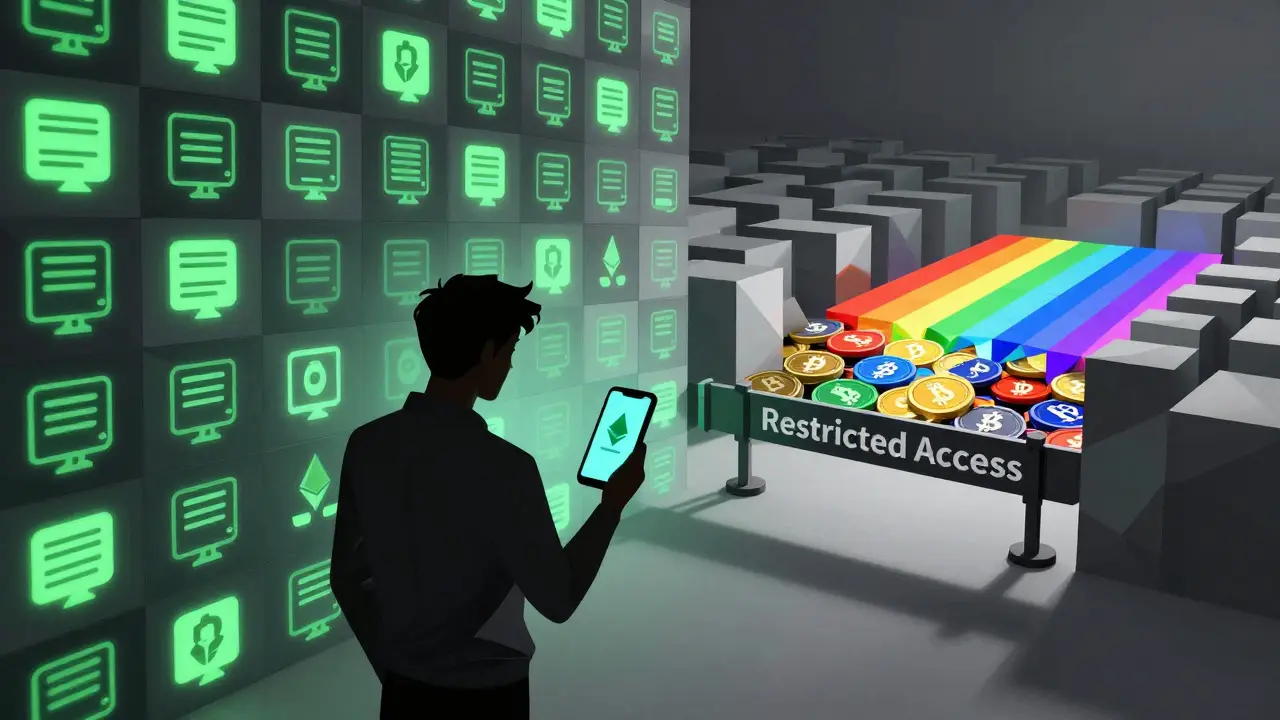
If you open the Bakkt app expecting a rainbow of colorful coins, you’ll be disappointed. The selection is starkly limited. While competitors like Binance offer over 350 cryptocurrencies and Coinbase lists more than 200, Bakkt focuses heavily on the blue chips: primarily Bitcoin (BTC) and Ethereum (ETH).
Why so few? Because Bakkt’s strength lies in custody and compliance, not discovery. They don’t need to list every new meme coin to attract their target demographic. For an institution holding billions, volatility in obscure altcoins is a risk, not a feature. For you, the retail user, this means less diversification. You can’t easily rebalance a portfolio across dozens of assets here. You buy Bitcoin, you hold it, and you manage it securely.
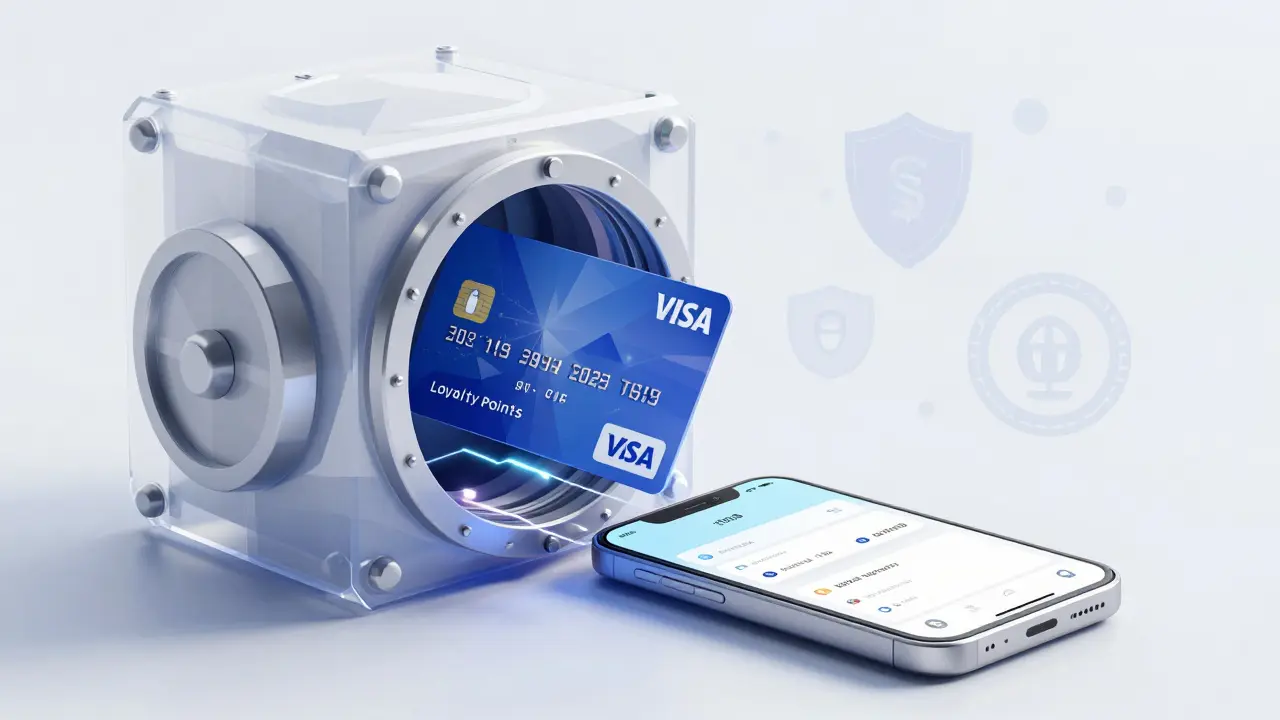
That said, Bakkt does offer unique features tied to real-world utility. Their mobile app integrates a Visa debit card, allowing you to spend your Bitcoin holdings directly at stores or online via Apple Pay. They also have a loyalty rewards program that lets you convert points into crypto. These features try to bridge the gap between digital assets and daily spending, which is a nice touch for users who view crypto as money rather than just an investment vehicle.
Fees: Cheap on Paper, Complex in Practice
Let’s talk numbers. On the surface, Bakkt looks incredibly cheap. Data from Wikibit suggests trading fees around 0.002%. Compare that to Coinbase’s spread-based fees that can eat up nearly 4% of your trade, or even Binance’s standard 0.1%, and Bakkt seems like a steal.
But here is the catch. Those low rates are largely aimed at institutional volume and specific API-driven trades. For the average retail user using the mobile app, the costs aren’t always transparent. You might face withdrawal fees, network gas fees, or hidden spreads when converting fiat to crypto. Long-term traders have reported frustration with these structures, noting that while the headline rate is low, the total cost of ownership can add up, especially if you are moving small amounts frequently.
Furthermore, Bakkt doesn’t offer high leverage trading. If you’re used to betting on price movements with borrowed funds, Bakkt won’t let you do that. This limits potential gains but also protects you from catastrophic liquidations-a double-edged sword depending on your risk appetite.
The Customer Service Black Hole
This is where Bakkt loses most of its goodwill. In 2023, reviews on platforms like Slashdot highlighted severe issues with user support. The consensus? There is no phone number. There is no live chat with a human. You are stuck with bots.
Imagine this scenario: You deposit funds, and suddenly you can’t access your account. Or maybe a transaction gets stuck. On other platforms, you might get a response in hours. On Bakkt, users have reported waiting up to eight business days just to regain access to their deposits. One user filed a complaint with the Better Business Bureau after being unable to reach a human representative. This isn’t just an inconvenience; it’s a critical failure for a financial service provider.
Why is support so bad? Likely because Bakkt prioritizes automated, scalable solutions for enterprise clients over personalized care for retail users. To them, a retail user is a small fish in a large pond. But if you are that small fish, getting locked out of your own money is a nightmare. Before you load up your Bakkt wallet, ask yourself: Are you comfortable relying entirely on automated systems when things go wrong?
Safety and Regulation: The Real Selling Point
If customer service is the weak point, regulation is Bakkt’s superpower. Unlike many offshore exchanges that vanished overnight, Bakkt is deeply embedded in the U.S. regulatory framework. They hold BitLicenses and Money Transmission Licenses in all 50 states. They are overseen by the New York State Department of Financial Services (NYSDFS) and registered with FinCEN.
This matters more than ever in 2026. After the collapses of FTX and others, users are wary. Bakkt’s connection to ICE gives it a layer of credibility that pure-play crypto startups can’t match. They undergo regular third-party audits and maintain institutional-grade cold storage for assets. Your Bitcoin isn’t sitting on a hot wallet connected to the internet; it’s secured in professional custody solutions.
A prime example of this value is the 2025 partnership with Nexo. After Nexo was forced out of the U.S. market due to SEC penalties, they partnered with Bakkt to re-enter. Why? Because Bakkt provides the compliant execution layer Nexo needed to operate legally. This shows that Bakkt is trusted by major players to handle sensitive, regulated operations.
Who Should Use Bakkt in 2026?
So, is Bakkt right for you? It depends entirely on what you value.
- Use Bakkt if: You are an institution or a business needing compliant custody solutions. You are a conservative investor who wants maximum regulatory protection for your Bitcoin and Ethereum holdings. You prefer spending crypto via a debit card rather than trading actively.
- Avoid Bakkt if: You want to trade a wide variety of altcoins. You need immediate, human customer support. You are an active day-trader looking for low-latency execution and high leverage. You prefer lower minimums and faster onboarding processes.
For the casual investor in Perth or anywhere else, Bakkt feels like bringing a tank to a bicycle race. It’s powerful and secure, but it’s heavy, slow, and hard to maneuver. If you just want to buy some Bitcoin and forget about it, Bakkt is a solid, safe choice. But if you want to engage with the dynamic side of crypto, you’ll find better tools elsewhere.
Is Bakkt safe for beginners?
Yes, Bakkt is highly safe due to its strict regulatory compliance and institutional-grade security. However, it may not be the most beginner-friendly due to limited coin options and poor customer support. Beginners should ensure they understand the lack of human assistance before depositing funds.
Does Bakkt have a phone number for support?
No, Bakkt does not offer live telephone support. User reports indicate that support is primarily bot-based, which can lead to long wait times for resolving account issues. This is a significant drawback compared to competitors that offer chat or phone options.
What cryptocurrencies can I trade on Bakkt?
Bakkt primarily supports Bitcoin (BTC) and Ethereum (ETH). The selection is much smaller than competitors like Coinbase or Binance, focusing on major assets rather than a wide range of altcoins.
Are Bakkt fees really lower than Coinbase?
On paper, yes. Bakkt charges around 0.002% for trading, which is significantly lower than Coinbase's variable fees. However, retail users should watch out for hidden costs like withdrawal fees and spreads, which can impact the overall cost-effectiveness.
Can I use Bakkt outside the United States?
Bakkt operates in select regions internationally, but its primary focus and full regulatory suite are in the United States. Availability varies by country, so users outside the US should check local accessibility and restrictions before signing up.
JEVON HALL
June 22, 2026 AT 22:52hey guys so i read this and honestly it makes sense why bakkt feels so stiff 🤷♂️ they built it for big banks not us regular folks trying to buy some btc on lunch break. the fees look low but you gotta watch out for those hidden spreads man. i tried using their app last year and the support was basically a black hole no human ever answered just bots repeating themselves 😩
Alexis Abster
June 24, 2026 AT 01:27Oh my goodness, reading about the customer service situation is absolutely heart-wrenching! 💔 It is truly tragic that people are locked out of their own money with no way to reach a human being. I can only imagine the panic someone must feel when they need help and are met with silence. We deserve better than this cold, automated maze. Please, everyone, protect your peace and choose platforms that actually care about their users!
Brad Ranks
June 24, 2026 AT 10:39I literally screamed when I saw the part about no phone support. Are you kidding me? In 2026? This is absolute madness. I had an issue once where my deposit vanished into the ether and I waited eight days for a bot to tell me nothing. It was a nightmare. A total disaster. Do not touch this place unless you enjoy suffering.
Lee Paige
June 26, 2026 AT 03:54The article conveniently omits the fact that Bakkt is merely a front for institutional surveillance of retail assets. The connection to ICE is not a badge of honor; it is a leash. They want to track every satoshi you hold because the deep state requires total transparency in financial transactions to maintain control. Trust no one who promises security while stripping away your privacy. The rebranding to "Bakkt, Inc." is just another layer of corporate camouflage to hide their true agenda.
Caitlin Donahue
June 26, 2026 AT 18:15i think its pretty clear that bakkt isnt for beginners lol. the whole vibe is super corporate and cold. if u want easy trading go elsewhere. also the spelling errors in their app were kinda annoying too tbh.
Karthikeyan S
June 28, 2026 AT 05:19you people are so naive thinking any exchange is safe 🙄 bakkt is just another scam waiting to happen. the fees are a joke and the support is non-existent. why do you even bother reading these reviews when the answer is always the same? run away from all centralized exchanges. they will steal your money eventually. 😒
Dinesh Pattigilli
June 28, 2026 AT 12:22It is pathetic how retail traders flock to Bakkt like sheep. Only the elite understand that true wealth comes from private custody, not trusting some public company. The limited coin selection is a feature, not a bug, because they know most altcoins are garbage anyway. You should be ashamed for considering such a mediocre platform.
Madhu Menon
June 28, 2026 AT 22:55One must consider the philosophical implications of relying on a third party for asset storage. Bakkt represents the institutionalization of trust, which is inherently fragile. When we outsource our security to a corporation, we surrender our autonomy. Is it worth the convenience? Perhaps not. The mind seeks freedom, yet the wallet seeks safety. A paradox indeed.
Narendra Kulkarni
June 30, 2026 AT 04:53hi friends i just wanted to say that bakkt seems okay for holding btc long term. the security is good. but yeah dont expect fast support. take care everyone.
verna kennedy
July 2, 2026 AT 00:15Let’s be honest here. If you cannot handle the lack of support, you are not ready for crypto. Bakkt is designed for serious players. The rest of you should stick to buying lottery tickets. Stop complaining about things you do not understand.
Kelly Tenney
July 3, 2026 AT 23:19You have to remember that every platform has its strengths and weaknesses. Bakkt might not be perfect, but it offers a level of regulatory compliance that is hard to find. Let’s focus on what works for you individually. If you value security over speed, Bakkt could be a great fit. Keep learning and growing in your journey!
Caralee Robertson
July 5, 2026 AT 21:12i totally get why ppl hate the support. its really frustrating when u cant talk to anyone. but the visa card thing is kinda cool right? i use mine at starbucks sometimes. just wish the app worked better tho.
Greg Lewis
July 6, 2026 AT 14:19why do you care about support when the market moves so fast anyway? you should be trading not calling customer service. bakkt is fine if you just hodl. stop whining about minor inconveniences. life is hard deal with it.
Sonya O'Brien
July 6, 2026 AT 16:43I have been using Bakkt for a few months now and I have to say that while the interface is a bit clunky and the customer service is practically non-existent, the peace of mind knowing that my assets are held in a regulated environment with strong security measures is something that I personally value quite highly, especially given the recent history of exchange collapses, and I think that for people who are not actively day-trading and are more interested in long-term holding of Bitcoin and Ethereum, it might actually be a suitable option despite the drawbacks mentioned in this comprehensive review.
Filbert Reeves
July 8, 2026 AT 12:08everyone says bakkt is safe but thats exactly what they want you to think. the SEC is probably working with them to crush real decentralization. i bet the Nexo partnership is just a way to launder dirty money through a compliant channel. wake up sheeple. the whole system is rigged against you. bakkt is a trap for your data and your soul.
Nick Rice
July 10, 2026 AT 01:45Listen up. If you are going to use Bakkt, make sure you understand the risks. The fees are low but the lack of support is a major red flag. Do not put all your eggs in one basket. Diversify your holdings across multiple platforms. Stay sharp and stay safe out there.
Amit Thakur
July 11, 2026 AT 07:33The liquidity depth on Bakkt is insufficient for high-frequency trading strategies. Retail participants often fail to recognize the slippage costs associated with their order sizes. Furthermore, the API latency is unacceptable for arbitrage opportunities. You need to optimize your execution algorithms before engaging with such a fragmented market maker structure.
Eric Scheinberg
July 12, 2026 AT 07:12It is important to note that the regulatory framework governing Bakkt is robust. The adherence to NYSDFS guidelines ensures a certain level of operational integrity. However, the user experience remains suboptimal due to the prioritization of institutional clients over retail satisfaction.
pankaj chawla
July 13, 2026 AT 08:12look bakkt is decent for what it is. dont expect binance features. if you want simple btc storage it works. just accept the limitations.
Jessica Lane
July 15, 2026 AT 05:55I am curious about the future of Bakkt's expansion into international markets. Given the strict US regulations, how do they plan to compete globally? It would be interesting to see if they adapt their model for other regions or remain focused on the domestic institutional sector.
Charles Pawlikowski
July 17, 2026 AT 02:13this is classic american failure. we build these massive secure systems and then screw up the basics like customer service. bakkt should be ashamed. fix your support or get out of the business. 🇺🇸
Andrea Burd
July 17, 2026 AT 13:54boring article. bakkt is trash. why are you even talking about it? just use coinbase or whatever. waste of time reading this.
Akeem Whittaker
July 18, 2026 AT 06:06If you are looking for a serious investment vehicle, Bakkt provides the necessary infrastructure. However, you must be prepared for the lack of hand-holding. This is not a toy store. It is a financial institution. Treat it accordingly.
Manish Prajapat
July 19, 2026 AT 10:09The concept of trust in digital assets is evolving. Bakkt attempts to bridge the gap between traditional finance and blockchain technology. While the execution may have flaws, the intention aligns with the broader goal of mainstream adoption. We must observe these developments with a critical yet open mind.