

How Musicians Use NFTs for Direct Fan Engagement
 Sep, 16 2026
Imagine selling a single song for $11.6 million. That’s not a typo. In 2021, electronic artist 3LAU sold his blockchain-exclusive album 'Ultraviolet' as an NFT collection, shattering the traditional revenue models of streaming platforms that pay fractions of a cent per listen. For years, musicians have been stuck in a middleman trap: labels take a cut, streaming services take a cut, and marketing agencies take a cut. By the time the money reaches the artist, it’s often pocket change. But a shift is happening. Artists are bypassing these gatekeepers entirely by using Non-Fungible Tokens (NFTs) to build direct relationships with their fans.
This isn’t just about hype or speculative trading. It’s about ownership. When you buy a vinyl record, you own that physical object. When you stream a song on Spotify, you’re renting access to a file hosted on someone else’s server. NFTs bring digital scarcity back to music. They allow artists to sell unique digital assets-like unreleased demos, exclusive artwork, or even royalty shares-directly to listeners. The result? Fans feel like partners, not just consumers, and artists keep more control over their careers. If you’re wondering how this actually works beyond the buzzwords, let’s break down the mechanics, the money, and the real-world strategies musicians are using right now.
The End of the Middleman Era
To understand why this matters, look at the numbers. Traditional music distribution is a leaky bucket. An artist might generate $10,000 in gross revenue from streams, but after platform fees, label recoupment, and management costs, they might see $2,000. With Sound.xyz, a platform designed specifically for selling music directly to fans via NFTs, that dynamic flips. There’s no label taking 50%. There’s no distributor taking 15%. The artist sets the price, mints the token, and sends the proceeds straight to their wallet.
Mike Shinoda of Linkin Park demonstrated this stark contrast when he sold a digital art piece containing a song for $30,000. He noted publicly that uploading that same track to major streaming platforms would likely never net him close to $10,000 after all the intermediary fees were deducted. This isn’t hypothetical; it’s basic math. By removing the intermediaries, musicians can sustain their careers with far fewer units sold. A small, dedicated fanbase willing to pay $50 for a limited edition track is worth more than millions of passive streams that generate pennies.
| Feature | Traditional Streaming | NFT Direct Sales |
|---|---|---|
| Revenue Per Unit | $0.003 - $0.005 per stream | $10 - $100+ per mint |
| Artist Control | Low (Label/Platform dictates) | High (Artist sets terms) |
| Fan Relationship | Passive Listening | Active Ownership & Participation |
| Intermediaries | Labels, Distributors, DSPs | Minimal (Smart Contract Fees) |
Beyond Collectibles: Utility and Access
If you think NFTs in music are just fancy JPEGs of album covers, you’re missing the point. The real value lies in utility. What does holding that token actually get you? For many artists, it’s a key to a VIP experience. Take Deadmau5, who launched his first NFT in December 2020, selling a one-of-one audio-reactive video for nearly $50,000. But subsequent drops weren’t just about the art; they were about access. Holders got backstage passes, early ticket sales, and direct lines to the artist.
This model transforms the fan from a passive listener into a stakeholder. Platforms like Sound.xyz allow creators to bundle perks with the music itself. Imagine buying a song NFT that comes with:
- Early Access: Listen to the album two weeks before the general public.
- Exclusive Content: Behind-the-scenes studio footage or alternate mixes.
- Physical Goods: A voucher for a signed vinyl or merch drop.
- Governance Rights: Voting power on future creative decisions.
This creates a feedback loop. Fans aren’t just consuming content; they’re investing in the artist’s journey. If the artist succeeds, the community feels part of that success. It’s emotional investment backed by code.
Royalty Sharing: Owning a Piece of the Song
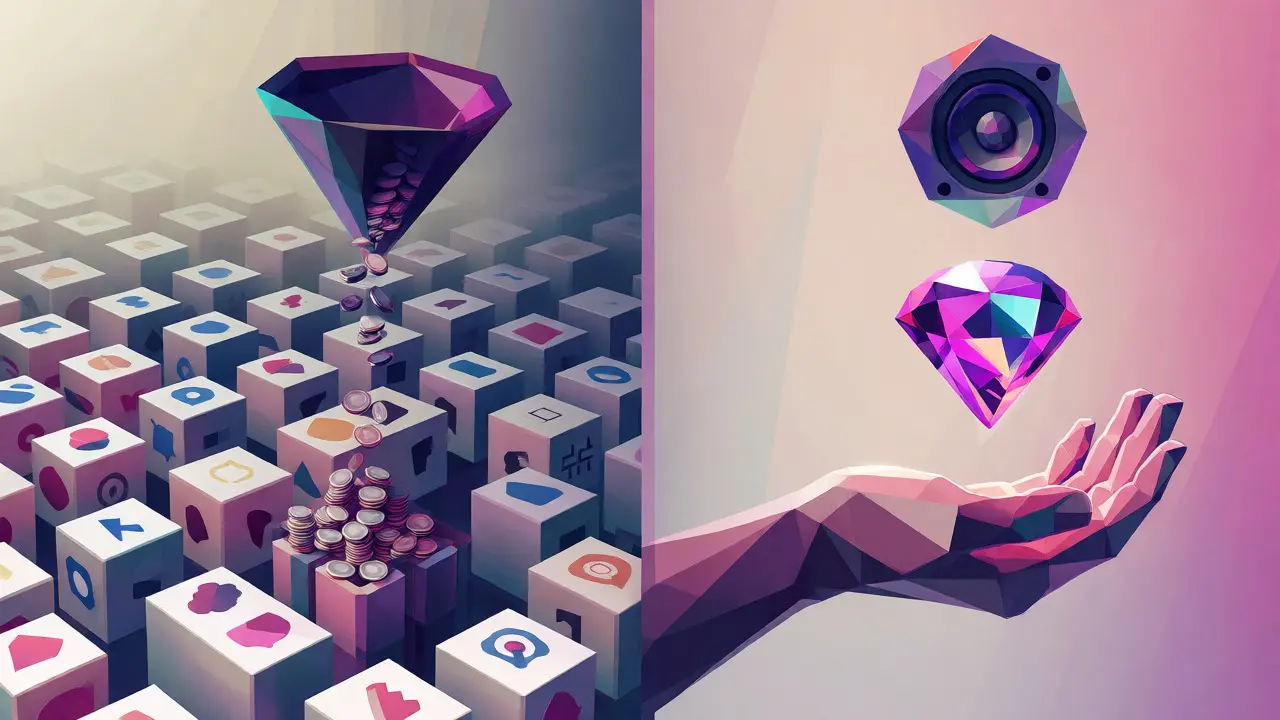
One of the most disruptive applications of blockchain in music is fractionalized royalties. Traditionally, if you loved a song, you bought the single. You didn’t get paid if that song was used in a movie or covered by another artist. Enter platforms like Royal, co-founded by 3LAU, which allows fans to purchase tokens representing ownership stakes in specific songs.
When you buy a royalty share, you become a partial owner of the master recording or publishing rights. Every time that track generates revenue-from streaming, licensing, or sync deals-you get a slice. It aligns incentives perfectly. The artist wants the song to succeed because they earn more. The fan wants the song to succeed because they earn more. It turns the audience into a decentralized marketing team. They promote the track because their wallet depends on it.
This isn’t just theoretical. Projects involving Jacques Greene and LuckyMe Records explored cryptocurrency-based rights distribution, proving that complex legal structures can be automated via smart contracts. While regulatory frameworks are still catching up, the technical capability exists today to split income transparently and instantly.
DAOs and Community Governance
Taking fan engagement a step further, some artists are experimenting with Decentralized Autonomous Organizations (DAOs). In a DAO, the community holds governance tokens that give them voting rights on artistic direction. Should the next single be released on Friday or Monday? Which artwork should cover the EP? Where should the tour stop?
This shifts the power dynamic from the boardroom to the fanbase. Instead of a label executive deciding what sells, the people who actually buy the music decide what gets made. It fosters a sense of belonging. Fans aren’t just supporting an artist; they’re co-creating the brand. This level of involvement builds loyalty that social media likes simply cannot match. When fans have skin in the game, they show up differently.
Getting Started: A Practical Guide for Artists
So, how do you actually pull this off? You don’t need to be a coding wizard, but you do need to navigate a few new tools. Here’s the typical workflow for launching a music NFT campaign:
- Choose Your Platform: Select a marketplace that fits your goals. Sound.xyz is great for simple drops and direct sales, while Royal focuses on royalty sharing. Others like OpenSea offer broader visibility but less specialized music features.
- Set Up a Wallet: You’ll need a crypto wallet like MetaMask to receive funds and manage your assets. Ensure you understand gas fees (transaction costs), especially if you’re on Ethereum, though Layer 2 solutions like Polygon are cheaper and faster.
- Mint Your Assets: Upload your audio files and metadata. Define the rarity tiers. Do you want 100 copies at $20 each, or 1 copy at $2,000? Scarcity drives demand.
- Market the Drop: This is crucial. Don’t just list it and hope. Tease the release on social media. Explain the utility clearly. Tell fans exactly what they get for their money.
- Deliver and Engage: Once sold, deliver the digital goods immediately. Keep the conversation going. Ask holders for input on the next project. Treat them like insiders.
Keep in mind that technical barriers still exist. Not every fan has a crypto wallet. Some platforms are working on fiat-on-ramps so users can pay with credit cards, making the experience seamless. Until then, clear communication about how to buy is essential.
The Risks and Realities
It’s not all sunshine and high prices. The NFT market is volatile. Values can swing wildly based on broader crypto trends. An artist might sell out a drop one month and struggle the next. Furthermore, there’s a learning curve for both artists and fans. Managing private keys, understanding smart contracts, and avoiding scams require a bit of education.
There’s also the risk of fatigue. If every artist launches an NFT without offering genuine value, fans will tune out. The key is sustainability. One-off gimmicks rarely build long-term communities. Successful artists integrate NFTs into a broader ecosystem where the token unlocks ongoing benefits, not just a one-time download.
Despite the hurdles, the trajectory is clear. As younger generations-who are native to digital ownership-become primary music consumers, the expectation for direct artist connection will grow. Blockchain technology provides the infrastructure for that connection. It’s not replacing streaming; it’s augmenting it. You can still stream the hit single, but the die-hards will own the NFT to support the creator and gain exclusive access.
For musicians, the takeaway is simple: start small. Test the waters with a limited edition release. Focus on utility over speculation. Build a community around shared ownership rather than just transactions. The tools are ready. The audience is waiting. All that’s left is to press play.
Do I need to know how to code to use music NFTs?
No. Most modern platforms like Sound.xyz or Royal provide user-friendly interfaces that handle the technical aspects of minting and smart contracts. You primarily need to understand how to set up a digital wallet and connect it to the platform.
What happens if the NFT platform shuts down?
Because NFTs live on the blockchain, your ownership record persists regardless of the platform's status. However, accessing the associated media (like the audio file) might require migrating to a new marketplace or viewing the metadata directly on a block explorer. Always check if the platform stores media on decentralized storage like IPFS.
Are music NFTs tax-deductible or taxable?
Tax laws vary significantly by country. Generally, selling an NFT is considered a taxable event, potentially subject to capital gains tax. Purchasing one may also have implications depending on local regulations. Consult a tax professional familiar with cryptocurrency in your jurisdiction.
Can fans resell their music NFTs?
Yes, most music NFTs are tradable on secondary markets. Artists can program royalties into the smart contract so that they receive a percentage (e.g., 5-10%) of every resale. This creates a continuous revenue stream from the asset's lifecycle.
Is this only for electronic music artists?
While electronic artists like 3LAU and Deadmau5 pioneered the space, adoption is spreading across genres including hip-hop, rock, and indie. Any genre with a dedicated fanbase willing to engage digitally can utilize NFTs for direct monetization.