

How NFTs Track Product Authenticity: A Guide to Blockchain Verification
 Sep, 25 2026
Imagine buying a luxury handbag or a rare bottle of wine. You check the stitching, the label, maybe even the smell of the leather. But how do you know it's real? Counterfeiting isn't just an annoyance; it's a $1.82 trillion global crisis that hits brands and consumers hard. Traditional methods like holographic stickers or paper certificates often fail because they can be forged or lost. This is where NFTs Non-Fungible Tokens (NFTs) for product authenticity represent a revolutionary blockchain-based solution that serves as tamper-proof digital passports for physical goods step in. They create an unbreakable link between what you hold in your hands and a permanent record on the blockchain.
This technology moves beyond simple buzzwords. It offers a practical way to verify provenance from the factory floor to your doorstep. If you're wondering how these digital tokens actually stop fake products, or why a barrel of wine sold for $130,000 with its own NFT attached, this guide breaks down the mechanics, benefits, and real-world applications of blockchain verification.
The Core Problem: Why Traditional Authentication Fails
Before we look at the solution, let's look at the mess. The Global Brand Counterfeiting Report an authoritative study highlighting the massive economic impact of counterfeit goods estimates losses in the trillions. In January 2023 alone, authorities seized fake items worth over $686,000. That’s just one seizure. The problem is scale and sophistication. Modern counterfeiters can replicate labels, packaging, and even RFID tags with surprising accuracy.
Traditional authentication relies on centralized databases or physical markers. If the database gets hacked, or if someone clones the QR code on the tag, the system collapses. There is no shared, immutable truth about who owns the item or where it came from. This lack of transparency erodes consumer trust. When you buy a second-hand Rolex or a vintage sneaker, you’re gambling on the seller’s honesty. NFTs remove that gamble by creating a public, verifiable history that cannot be quietly edited.
How NFTs Work as Digital Product Passports
An NFT a unique digital identifier stored on a blockchain that cannot be replicated or altered acts as a certificate of authenticity. Unlike cryptocurrencies like Bitcoin, which are fungible (one coin equals another), an NFT is unique. When a brand creates a product, they mint an NFT that contains specific metadata: serial numbers, manufacturing dates, material details, and ownership history.
This data lives on a blockchain a decentralized ledger technology that records transactions immutably across a network of computers. Once recorded, this information cannot be changed without consensus from the entire network. This creates a "single source of truth." If a counterfeit tries to claim the same identity, the blockchain rejects it because the digital signature doesn't match the original cryptographic hash. It’s not just about storing data; it’s about proving the data hasn’t been touched since it was created.
Bridging the Physical and Digital Worlds
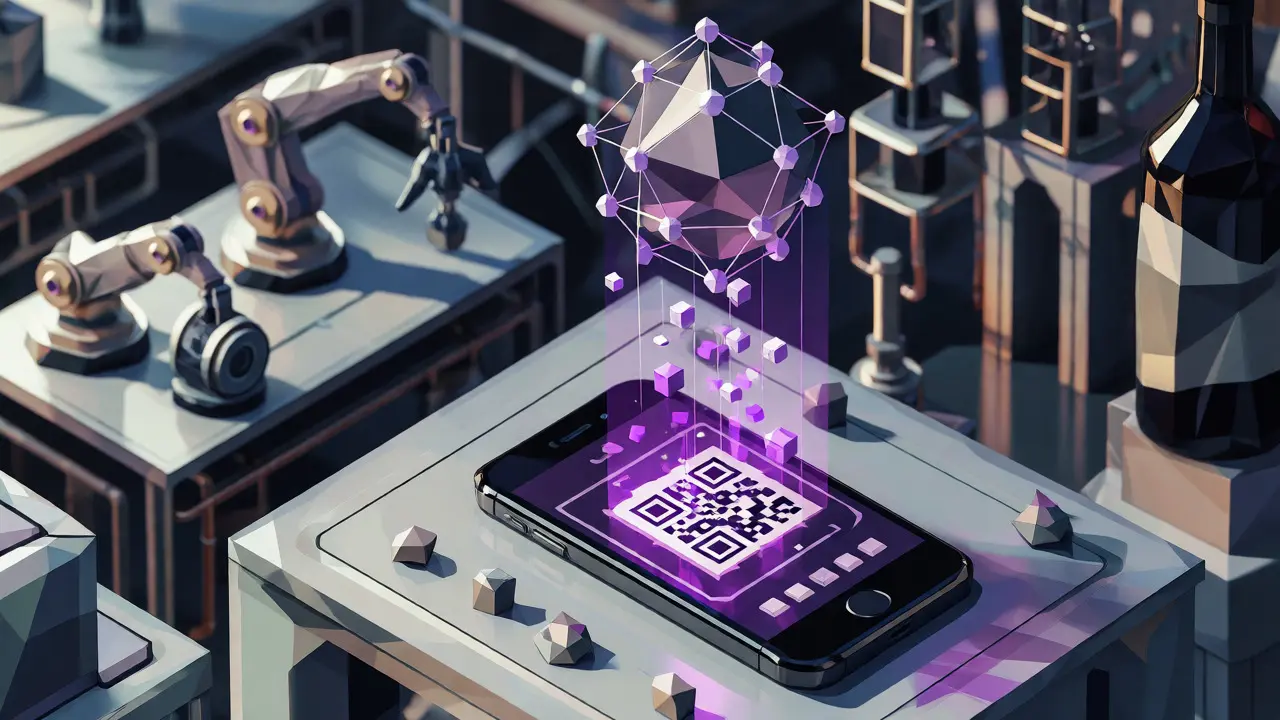
You might ask: "I have a physical shoe, but how does my phone see the blockchain?" This is solved through Phygital NFTs hybrid assets combining physical products with digital blockchain representations. Brands embed unique identifiers directly into the product using QR codes, NFC chips, or RFID tags. These aren't just generic barcodes; they are cryptographically linked to the specific NFT on the chain.
When you scan the tag with your smartphone, the app queries the blockchain. It retrieves the NFT associated with that unique ID and displays the full history. Did this bag come from the Paris atelier in 2024? Was it ever repaired? Who owned it before? The answer appears instantly. Swiss companies have already demonstrated this with smartphone-based systems that provide real-time confirmation. This dual-layer verification means you verify the physical tag’s presence and the digital token’s integrity simultaneously.
Real-World Success Stories
This isn't theoretical. The luxury sector has embraced this tech fastest because their margins justify the implementation costs. Consider the wine industry. Limited-edition bottles now sell with associated NFTs. One notable example involved a single barrel selling for $130,000 in just 12 seconds. The buyer wasn't just getting wine; they were getting a verified asset class with a clear chain of custody.
Luxury fashion houses use similar tactics. By attaching an NFT to a handbag, they protect their heritage. If the bag changes hands, the NFT transfers too. The new owner can prove legitimacy without needing an expert appraisal every time. This builds long-term value for resale markets, where authentication disputes often stall sales.
| Feature | Traditional Certificates | NFT-Based Verification |
|---|---|---|
| Tamper-Proof | No (Can be forged) | Yes (Immutable blockchain record) |
| Transferability | Manual paperwork | Automatic digital transfer |
| Verification Speed | Days/Weeks (Expert review) | Seconds (Smartphone scan) |
| Data Storage | Centralized (Vulnerable) | Decentralized (Resilient) |
Challenges and Implementation Hurdles
It’s not all smooth sailing. Implementing this tech requires more than just slapping a QR code on a box. Brands need partnerships with reliable blockchain platform providers services offering infrastructure for creating and managing NFTs. Technical complexity is high. Integrating legacy supply chain systems with new Web3 tools takes time-often months for enterprise-level deployments.
Then there’s the user experience. Not everyone knows what an NFT is. Retailers must educate customers on how to verify products. If the process is clunky or confusing, consumers will ignore it. Also, energy consumption and transaction fees vary by blockchain. While newer networks are greener and cheaper, choosing the right infrastructure is critical for cost-effective scaling. For low-cost items, the expense of minting and maintaining NFTs might outweigh the benefits, so this tech currently shines brightest in high-value sectors.
The Future of Supply Chain Transparency
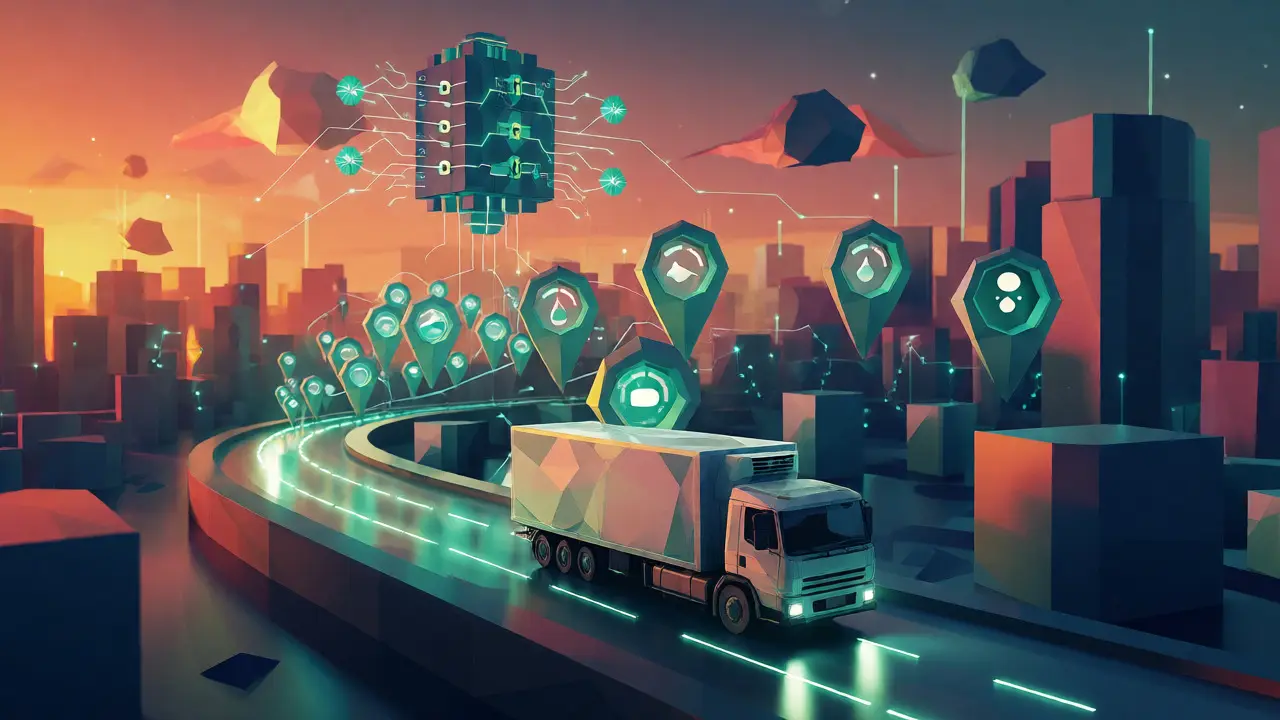
Industry analysts predict that digital product passports standardized digital records containing comprehensive product lifecycle data will become universal. We’re already seeing integration with IoT sensors. Imagine a refrigerated truck that logs temperature data directly to the blockchain-linked NFT. If the temperature spikes during transit, the NFT updates, alerting the buyer that the product quality may be compromised.
This level of detail transforms supply chains from black boxes into transparent pipelines. Governments are also taking notice, potentially mandating such standards for pharmaceuticals and food safety. As development tools simplify and costs drop, expect this technology to trickle down from luxury watches to everyday electronics. The goal is a world where every physical object has a verifiable digital twin, ensuring authenticity from creation to disposal.
Frequently Asked Questions
Can an NFT be faked?
The NFT itself cannot be faked because it exists on a secure, decentralized blockchain. However, the physical item attached to it can be. That’s why robust implementations use secure tags (like encrypted NFC chips) that prevent cloning, ensuring the physical-digital link remains intact.
Do I need a crypto wallet to verify a product?
Not necessarily. Many brands offer simplified mobile apps that handle the blockchain interaction in the background. You simply scan the product, and the app shows you the authenticity status. Advanced users might prefer connecting their own wallets to manage ownership transfers directly.
What happens if I lose the physical tag?
If the physical tag is damaged or lost, the brand usually has a recovery process. Since the NFT holds the master record, the brand can reissue a new tag linked to the existing NFT after verifying the physical item’s other security features.
Is this only for luxury goods?
Currently, yes, due to higher implementation costs relative to product price. However, as blockchain fees decrease and tools become more accessible, adoption is expanding into mid-range electronics, automotive parts, and eventually fast-moving consumer goods.
How does this help with resale?
It streamlines the process. Buyers don’t need to hire third-party authenticators. They can check the NFT’s history themselves. Sellers get better prices because provenance is guaranteed, reducing friction and building trust in secondary markets.