

How to Recover a Cryptocurrency Wallet: Methods, Tools & Scams to Avoid
 Aug, 15 2026
You type in your password. The screen spins. Then, nothing. Or worse, you realize the piece of paper with your twelve-word secret is sitting at the bottom of a drawer you haven't opened in three years, or perhaps it’s been shredded by accident. Panic sets in. In the world of digital assets, losing access isn't just an inconvenience; it can mean permanent financial loss.
As of early 2025, analysts estimate that between 2.3 million and 3.7 million Bitcoin (BTC) are permanently lost forever. That represents billions of dollars locked away in cold storage, inaccessible due to forgotten passwords, lost seed phrases, or damaged hardware. But before you assume your funds are gone, you need to understand how wallet recovery actually works. It depends entirely on what kind of wallet you use and what information you still have left.
Understanding Your Wallet Type: Custodial vs. Non-Custodial
The first step in any recovery effort is identifying whether you hold the keys to your own vault or if someone else does. This distinction dictates your entire recovery strategy.
Custodial wallets are managed by third-party exchanges like Coinbase, Binance, or Kraken. When you store crypto here, they hold the private keys for you. If you lose your password, the process is similar to resetting a Facebook or email account. You click "Forgot Password," verify your identity via email or SMS, and regain access. It is simple, but it means you don't truly own the asset until you withdraw it to a personal wallet.
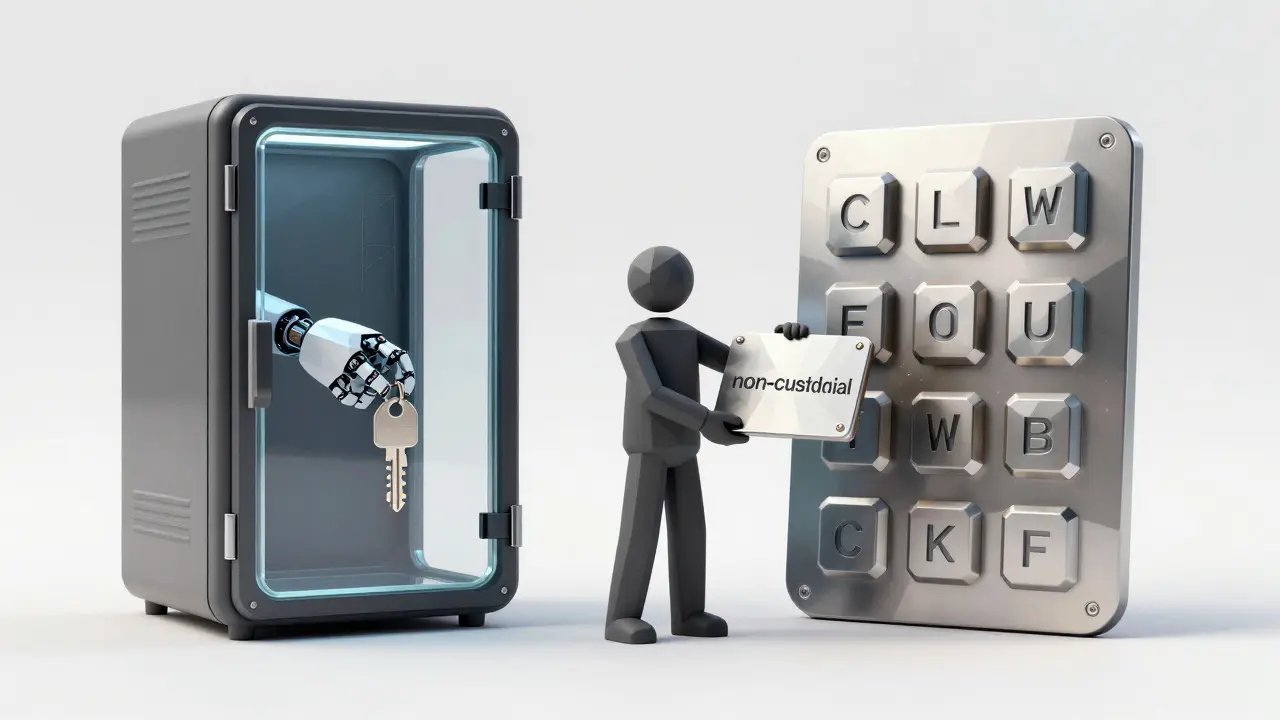
Non-custodial wallets, such as MetaMask, Ledger, Trezor, or Trust Wallet, give you full control. They also give you full responsibility. There is no customer support team to reset your password. Access is granted solely through your Secret Recovery Phrase (also known as a seed phrase) or your private key. If you lose these, the math behind blockchain encryption makes it nearly impossible for anyone-including the wallet developers-to get your money back.
Recovery Method 1: Using Your Seed Phrase
If you have your seed phrase-the list of 12 to 24 random words generated when you first created your wallet-you are likely safe. This phrase is the master key to your funds. You do not need the original device or the original app.
Here is how to recover your wallet using a seed phrase:
- Download a Compatible Wallet: Install a reputable non-custodial wallet. For example, if you lost your old MetaMask browser extension, you can install it on a new computer or phone. Alternatively, you might choose a multi-asset wallet like Exodus or Edge Wallet.
- Select "Import" or "Restore": During setup, look for an option that says "I already have a wallet" or "Import from seed phrase." Do not select "Create New Wallet."
- Enter the Words Carefully: Type or paste the words in the exact order they were given. Pay attention to spelling. A single typo will generate a different, empty wallet address.
- Set a New Password: Create a strong, unique password for this new installation. This password encrypts the local data on your device, but the seed phrase remains the ultimate authority.
This method works across most major platforms. For instance, a 24-word seed phrase from a Ledger hardware wallet can often be imported into software wallets like Ledger Live or even compatible third-party apps, allowing you to view and move funds even if the physical device is broken.
Recovery Method 2: Private Keys and Wallet Files
Sometimes you don't have the seed phrase, but you might have a private key export or a wallet backup file. Older wallets or specific desktop applications use these formats.
- Electrum Wallet: Users can recover funds using their seed phrase, a private key export, or a wallet file backup (.wallet). If you have the .wallet file, you can simply copy it to the Electrum data directory on a new installation.
- Bitcoin Core: Relies on a
wallet.datfile. If you backed up this file, you can restore it by placing it in the correct directory within the Bitcoin Core application folder. - Armory: Uses encrypted backups or recovery phrases. If you have the encrypted backup file and remember the passphrase used to encrypt it, you can decrypt and restore the wallet.
- MultiBit: Depends heavily on backup files or private keys. Since MultiBit is largely retired, users often need to sweep their private keys into a modern wallet to access remaining funds.
If you only have a partial seed phrase or a corrupted wallet file, the situation becomes more complex. This is where professional forensic tools come into play, but proceed with caution.
When to Call Professionals: Blockchain Forensics
If you have lost both your password and your seed phrase, or if your hard drive has failed, you may need professional help. Companies like Xpress Crypto Recovery or DataRecovery.com specialize in this. They use advanced algorithms to brute-force guess passwords or reconstruct fragmented data from damaged drives.
For stolen funds, blockchain forensics services analyze transaction flows. Tools track movements across Bitcoin, Ethereum, and other networks. Over 68% of mixed Bitcoin eventually reaches known exchanges. By linking pseudonymous transactions to real-world entities, investigators can sometimes work with law enforcement to freeze assets at the exchange level.
However, be wary of costs. Legitimate services typically operate on a "no data, no charge" basis or take a percentage of recovered funds after success. Avoid anyone demanding large upfront fees.
| Wallet Type | Required Info | Recovery Difficulty | Best Action |
|---|---|---|---|
| MetaMask / Trust Wallet | Seed Phrase or Private Key | Low (if phrase exists) | Import into new app instance |
| Ledger / Trezor | 24-word or 12-word Seed | Low | Use official suite (Ledger Live/Trezor Suite) |
| Coinbase / Binance (Custodial) | Email / ID Verification | Very Low | Contact Support / Reset Password |
| Old Desktop (e.g., Armory) | Wallet File / Backup | Medium | Restore file or sweep keys to new wallet |
| Lost Seed + Lost Password | None | High / Impossible | Professional forensic service (expensive) |
Avoiding Recovery Scams
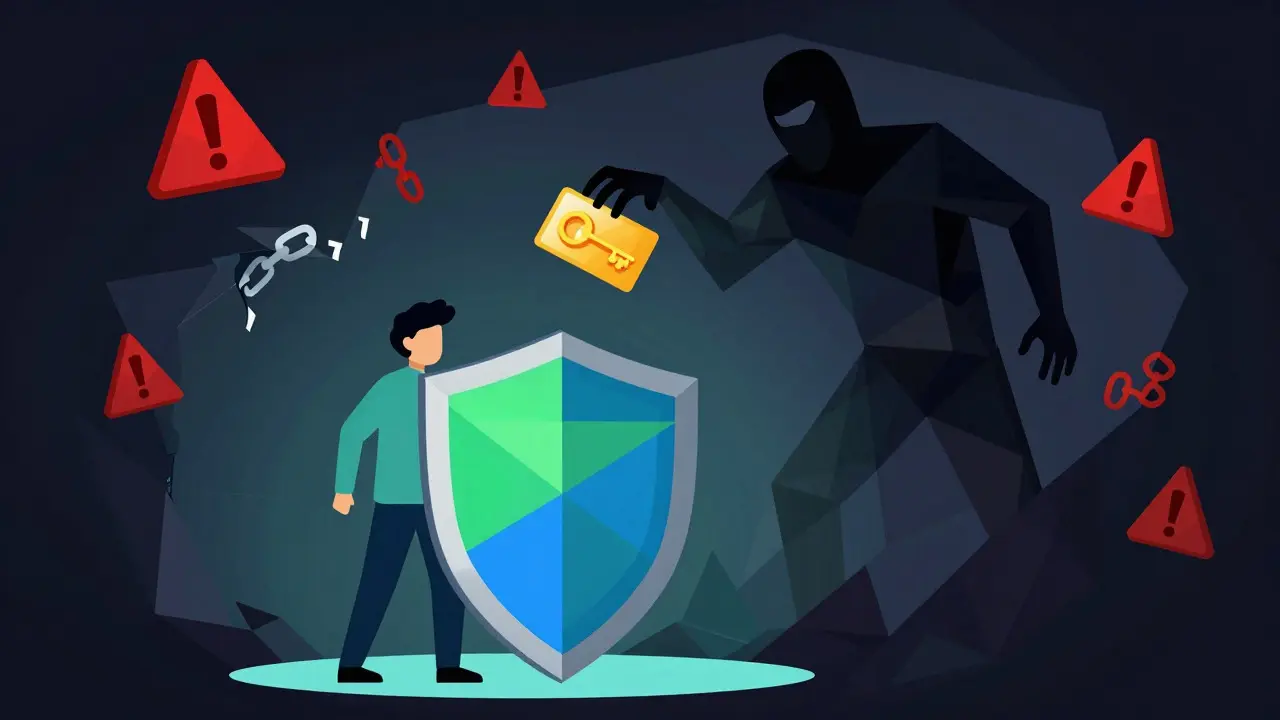
The desperation of lost crypto attracts predators. The US Federal Bureau of Investigation reported that cryptocurrency investment fraud losses exceeded $9.3 billion in 2024. A significant portion of these victims were people over 60 who fell for "recovery scams" while trying to retrieve their own funds.
Scammers often find posts on Reddit or Twitter where users admit to losing access. They DM you claiming to have "special software" to hack the blockchain and return your coins. Remember this rule: No one can recover your non-custodial wallet without your seed phrase or private key. The blockchain is decentralized; there is no central server to reset.
Red flags include:
- Requests for upfront payment in gift cards or crypto.
- Demands that you send them your seed phrase (legit pros never ask for this unless you provide it securely yourself).
- Promises of 100% success rates.
- Pressure to act immediately.
If a service asks for your seed phrase to "scan" your wallet, hang up. Anyone with that phrase owns your money.
Preventing Future Loss: Best Practices for 2026
Recovery is stressful. Prevention is free. As we move into 2026, the standard for securing digital assets has evolved beyond writing words on a napkin.
- Use Metal Backups: Paper burns, fades, and gets wet. Engrave your seed phrase onto titanium or stainless steel plates designed for crypto storage. These survive house fires and floods.
- Multiple Locations: Don't keep all copies in one place. Store one metal backup in a home safe, another in a bank deposit box, and perhaps a third with a trusted family member.
- Test Your Backup: After creating a backup, try importing it into a separate device (with a small amount of test funds) to ensure the words are correct and the process works. Many people discover typos only after losing their main device.
- Migrate Retired Wallets: If you are using an outdated wallet like Jaxx Liberty (which saw changes in 2024), migrate your funds to active, well-maintained alternatives like Exodus or Edge Wallet. Abandoned projects pose security risks.
Technology improves, but human error remains the biggest vulnerability. Treat your seed phrase like the deed to your house. You wouldn't leave it on the kitchen counter, so don't leave it in an unencrypted text message or a cloud note that could be hacked.
Can I recover my crypto if I lost my seed phrase and password?
If you are using a non-custodial wallet (like MetaMask or Ledger) and have lost both your seed phrase and your password, recovery is extremely difficult and often impossible. Without the seed phrase, the mathematical encryption protecting your funds cannot be reversed. Professional forensic services may attempt to recover data from your old hard drive, but success is not guaranteed and can be expensive. If you use a custodial exchange (like Coinbase), you can usually reset your password via email verification.
Is it safe to import my seed phrase into a new wallet?
Yes, provided you download the wallet software from the official source. Importing your seed phrase allows you to access your funds on a new device. However, always ensure your computer is free of malware before entering sensitive data. Once imported, set a strong new password for the local encryption of that specific device.
What should I do if I suspect a recovery scam?
Stop communication immediately. Never send money or share your seed phrase with anyone claiming to help you recover funds. Legitimate recovery services do not require upfront fees paid in crypto or gift cards. Report the scammer to the platform where you met them and consider filing a report with local authorities or the FBI's Internet Crime Complaint Center (IC3).
How long does wallet recovery take?
If you have your seed phrase, recovery takes minutes. You simply import the phrase into a new app. If you need professional forensic help for a lost password or damaged drive, it can take days to weeks, depending on the complexity of the encryption and the condition of the hardware.
Can Ledger or Trezor recover my wallet if I lose my device?
The physical device itself is not required for recovery if you have your 24-word (Ledger) or 12-24 word (Trezor) seed phrase. You can buy a new device and restore your wallet using the phrase. If you lost both the device and the phrase, the manufacturers cannot recover your funds because they never stored your keys.