

NFT Art Investment Potential: Real Value vs. Hype in 2026
 May, 28 2026
Remember the chaos of 2021? A monkey JPEG sold for $69 million. Everyone had a wallet, and every tweet was about "to the moon." Fast forward to mid-2026, and the screaming has stopped. The noise is gone, but the market hasn't vanished-it has matured. If you are looking at NFT art investment potential today, you are not entering a casino; you are stepping into a specialized alternative asset class that behaves more like fine art or rare collectibles than volatile crypto coins.
The global NFT market generated roughly $608.6 million in revenue in 2025, serving over 11 million users. While those numbers look small compared to the billions traded during the peak hype cycle, they represent something far more valuable: stability. Trading volumes in the first half of 2025 saw only a minor 4.6% decline from late 2024, while transaction counts jumped nearly 80%. This shift tells a clear story. Speculators have left. Serious collectors and utility-driven buyers remain. For an investor, this means the days of flipping low-effort profile pictures for quick riches are over. The new era rewards patience, research, and an understanding of technology.
How the Market Has Changed Since the Crash
To understand where we are going, we need to look at what broke. During the 2021-2022 boom, the NFT market was driven by fear of missing out (FOMO). Projects launched with no roadmap, no community, and no utility. When the bubble burst, these projects evaporated, taking investors' money with them. Today, the market has consolidated. Low-quality projects fade out quickly because there is no speculative capital to prop them up.
The current landscape is defined by three pillars: authenticity, utility, and technology integration. Investors now demand proof of long-term viability. This has led to a bifurcation in the market. On one side, you have blue-chip digital art-works by established artists that hold value similar to physical paintings. On the other side, you have functional NFTs that provide access, ownership rights, or interactive experiences. Understanding this distinction is crucial. You cannot invest in both categories using the same strategy. Blue chips require artistic appreciation and historical context. Functional NFTs require analysis of the underlying business model and user adoption.
Is it too late to invest in NFTs?
No, but your expectations must change. The era of guaranteed exponential returns is over. Investing now requires treating NFTs as alternative assets, similar to collecting physical art or vintage watches. Returns come from scarcity, cultural significance, and utility, not just speculation.
The Rise of Intelligent NFTs (iNFTs)
One of the most significant developments in 2025 and early 2026 is the integration of artificial intelligence into digital assets. Approximately 30% of new NFT projects now incorporate AI technologies. These are known as intelligent NFTs, or iNFTs. Unlike static images that never change, iNFTs can evolve. They might change their visual appearance based on real-world data, such as weather patterns or stock market trends. They can generate new content autonomously or adapt their behavior based on how the owner interacts with them.
This evolution solves a major criticism of traditional NFTs: lack of engagement. Once you bought a static image, you owned it, but it did nothing. iNFTs create a dynamic relationship between the owner and the asset. For investors, this adds a layer of complexity. Valuing an iNFT requires assessing not just the artist's reputation, but also the robustness of the AI algorithms powering it. Is the code secure? Does the AI provide genuine novelty, or is it gimmicky? Technology experts predict that by 2026, static collectibles may become obsolete for many use cases, replaced by these programmable, responsive assets. This shift opens new opportunities for investors who understand both art and software development.
Consider the example of generative art platforms that allow owners to influence the evolution of their piece. Each interaction creates a unique history recorded on the blockchain. This provenance is not just about ownership; it is about participation. Investors who engage with their iNFTs often see higher secondary market values because the asset becomes a reflection of their personal journey with the work. This personalization drives emotional attachment, which is a key driver of long-term holding behavior.
Hybrid NFTs: Bridging Digital and Physical Worlds
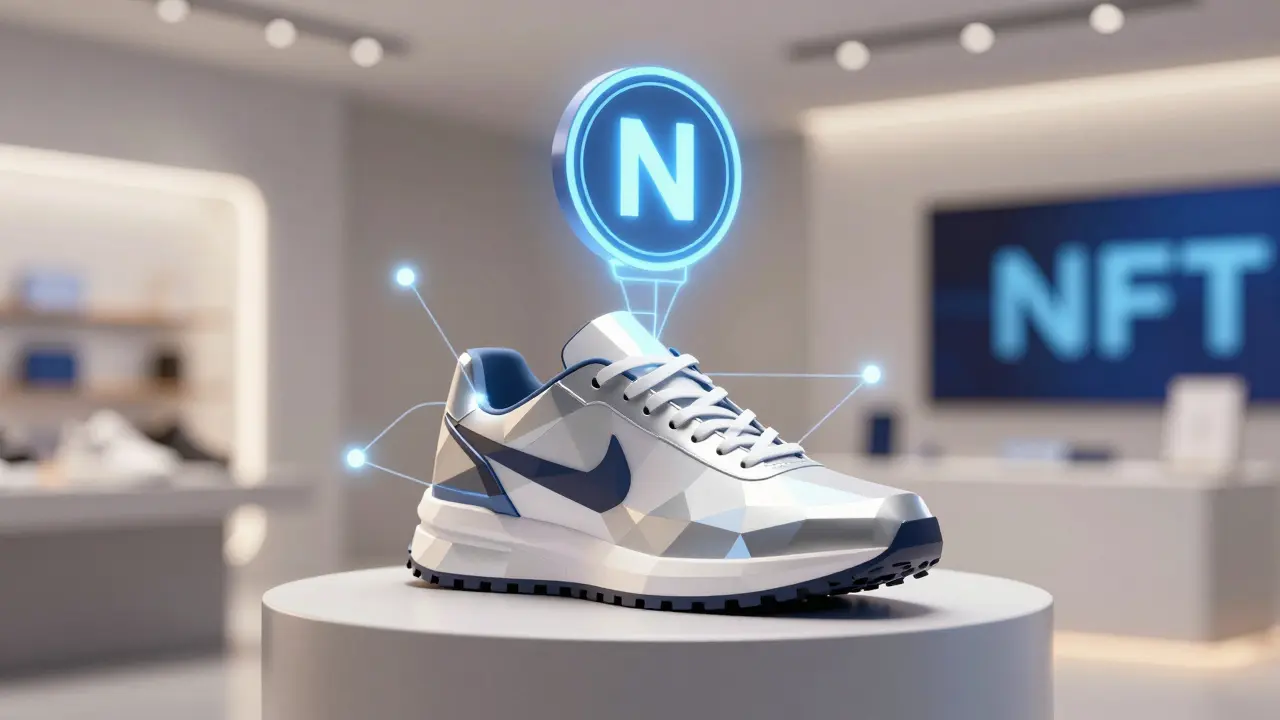
Another major trend reshaping investment potential is the emergence of hybrid NFTs. These tokens link digital ownership to real-world assets, experiences, or privileges. Major brands have embraced this model to combat counterfeiting and enhance customer loyalty. Nike, for instance, uses its Cryptokicks platform to link digital tokens to physical sneakers. Owning the NFT grants access to exclusive drops, virtual events, and even physical merchandise. Luxury watchmakers like Jacob & Co. have launched NFTs tied to high-end timepieces, ensuring authenticity and providing owners with a digital passport for their physical asset.
For investors, hybrid NFTs offer a tangible anchor. The value is not purely speculative; it is backed by the underlying physical good or service. This reduces risk significantly compared to pure digital collectibles. If the physical product retains value, the NFT often does too. Moreover, hybrid models make blockchain technology accessible to mainstream consumers who may not understand crypto wallets but appreciate luxury goods or brand exclusivity. This broader adoption base supports long-term price stability.
The implications for art investment are profound. Imagine buying a physical painting that comes with an NFT certificate of authenticity. This token verifies the artwork's history, previous owners, and exhibition record. It can also grant the owner access to private gallery viewings or artist meet-and-greets. As more galleries and auction houses adopt this model, the liquidity and transparency of the physical art market will improve. Investors can buy and sell fractional shares of high-value artworks more easily, thanks to the interoperability provided by the NFT standard.
Risk Factors and Due Diligence
Despite the maturation of the market, NFT art investment remains risky. Academic research published in March 2025 emphasizes that investors must assess efficiency, availability, and risk factors before committing capital. One of the biggest risks is illiquidity. Unlike stocks or cryptocurrencies, which can be sold instantly on exchanges, NFTs often take weeks or months to find a buyer. You must be prepared to hold your investment for the long term, potentially years.
Another critical factor is platform dependency. Most NFTs exist on specific marketplaces like OpenSea, Rarible, or specialized platforms for iNFTs. If a marketplace shuts down or changes its fees drastically, it can impact the ease of trading your assets. Always diversify across multiple platforms and blockchains. Ethereum remains the dominant chain for high-value art, but alternatives like Solana and Polygon offer lower transaction costs and faster speeds, attracting different types of creators and collectors.
Scams and fraud are still prevalent. Phishing attacks, fake websites, and counterfeit collections targeting popular series are common. Never connect your wallet to unverified links. Use hardware wallets for storing valuable assets, keeping your private keys offline. Additionally, be wary of projects promising guaranteed returns. No legitimate investment offers certainty. If a project sounds too good to be true, it almost certainly is.
| Type | Risk Level | Liquidity | Primary Value Driver |
|---|---|---|---|
| Static Art NFTs | High | Low | Artist Reputation, Scarcity |
| Intelligent NFTs (iNFTs) | Medium-High | Medium | Technology Utility, Engagement |
| Hybrid NFTs | Medium | Medium-High | Physical Asset Backing, Brand Power |
Strategic Approaches for New Investors
If you are new to NFT art investment, start small. Allocate only a portion of your portfolio that you can afford to lose completely. Treat it as venture capital investing in early-stage startups. Diversify across different types of NFTs. Do not put all your funds into one collection or one artist. Spread your investments among static art, iNFTs, and hybrid projects to balance risk and reward.
Focus on communities. In the NFT world, community strength is a strong indicator of long-term success. Join Discord servers, participate in Twitter Spaces, and engage with creators directly. Active communities support each other through market downturns and drive secondary market activity. Look for projects with transparent teams, clear roadmaps, and regular updates. Avoid anonymous developers unless the project has a proven track record.
Educate yourself continuously. The technology evolves rapidly. Stay updated on blockchain upgrades, new marketplace features, and regulatory changes. Follow industry analysts and reputable news sources. Understand the technical aspects of smart contracts and gas fees. Knowledge is your best defense against scams and poor investment decisions.
Future Outlook: Beyond 2026
Looking ahead, the convergence of AI and blockchain promises to revolutionize digital ownership. We expect to see more sophisticated iNFTs that interact with the physical world through IoT devices. Imagine an NFT that changes based on your fitness data or travel history. These personalized, living assets will create deeper emotional connections and higher perceived value. Hybrid NFTs will become standard in luxury retail, real estate, and ticketing industries, driving mainstream adoption.
Regulatory clarity is also improving. Governments worldwide are developing frameworks for digital assets, providing legal protection for investors and reducing uncertainty. This institutional interest will bring more capital into the market, stabilizing prices and increasing liquidity. While volatility will always exist, the extreme swings of the past are likely behind us.
Ultimately, NFT art investment potential lies in its ability to redefine ownership. It is not just about buying a picture; it is about participating in a new digital culture. By focusing on quality, utility, and community, investors can navigate this evolving landscape successfully. The future belongs to those who understand the technology and appreciate the art.
What is the difference between an NFT and a cryptocurrency?
Cryptocurrencies like Bitcoin are fungible, meaning each unit is identical and interchangeable. NFTs are non-fungible, meaning each token is unique and cannot be exchanged on a one-to-one basis. NFTs represent ownership of specific digital or physical items, while cryptocurrencies function as currency.
Are NFTs environmentally friendly?
The environmental impact depends on the blockchain used. Ethereum, once energy-intensive, transitioned to Proof-of-Stake in 2022, reducing its energy consumption by over 99%. Other chains like Solana and Tezos are inherently energy-efficient. Always check the underlying technology before investing.
How do I verify the authenticity of an NFT?
Verify the contract address on a blockchain explorer like Etherscan. Ensure the collection is verified on the marketplace. Check the creator's official social media channels for announcements. Be cautious of typos in URLs and contract addresses, as scammers often mimic legitimate projects.
Can I earn passive income from NFTs?
Yes, through royalties. Many NFT smart contracts include royalty clauses that pay the original creator or holder a percentage of every secondary sale. Some platforms also allow staking NFTs to earn rewards, though this carries additional risks.
What happens if the NFT marketplace disappears?
Your NFT remains on the blockchain. You still own it. However, selling it may become difficult if no other platforms support that specific token standard. Diversifying across multiple marketplaces and using widely adopted standards like ERC-721 or ERC-1155 mitigates this risk.