

What is RocketFi (ROCKETFI)? A Realistic Look at the Crypto Coin
 Jun, 9 2026
You’ve probably seen it pop up in your Telegram feed or heard friends talking about "free money" in crypto. RocketFi promises exactly that: passive income without locking up your funds. But does it actually work, or is it just another shiny object in the crowded world of decentralized finance? Let’s cut through the hype and look at what RocketFi really is, how it makes money for you, and whether it’s worth your time in 2026.
What Exactly Is RocketFi?
RocketFi is a decentralized finance platform built on the Binance Smart Chain (BSC). It launched in 2022 with a simple goal: make earning crypto rewards easier for regular people. The core of the project is its native token, ROCKETFI, which operates as a BEP-20 token on the BNB network.
Unlike traditional staking where you lock your coins away for months to earn interest, RocketFi uses a system called "Smart Rewards." Think of it as an automated dividend machine. Every time someone buys or sells ROCKETFI, a small tax is taken from that transaction. Instead of sending that money to developers, RocketFi distributes it directly to everyone holding the token in their wallet. You don’t need to do anything but hold the coin.
The team behind RocketFi remains anonymous, operating under pseudonyms. While this is common in early-stage crypto projects, it’s something to keep in mind. They claim backgrounds in engineering and cybersecurity, but you can’t verify their identities easily. For many users, the focus is less on who they are and more on whether the code works-and so far, it does.
How Do You Actually Earn With ROCKETFI?
This is the part most people care about. Here’s how the magic happens:
- Buy ROCKETFI: You purchase the token using BNB on a decentralized exchange like PancakeSwap.
- Hold in Wallet: Keep the tokens in a Web3 wallet like MetaMask. No staking contracts needed.
- Earn Reflections: As trading volume increases, a portion of the transaction fees is distributed to holders. This appears in your wallet automatically.
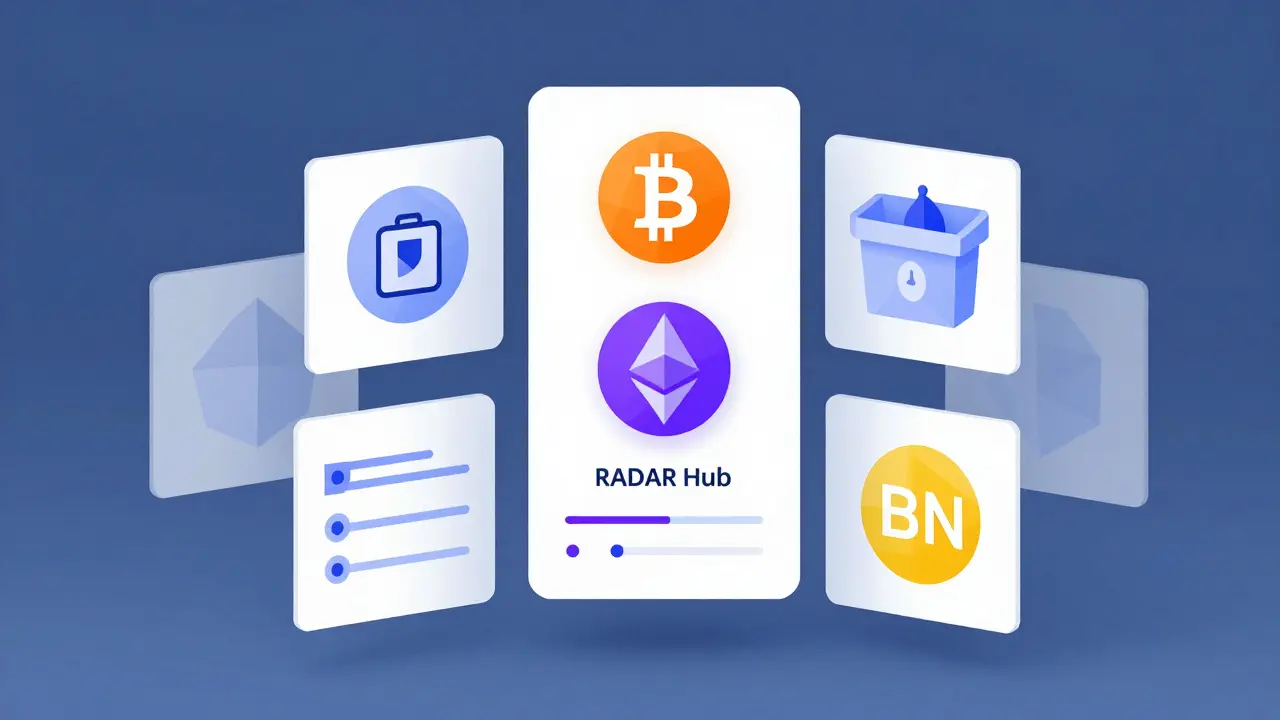
The twist? RocketFi lets you choose what you want to earn. Through their dashboard, called the RADAR Hub, you can select up to 10 different cryptocurrencies to receive as rewards. Want to earn Bitcoin, Ethereum, and BNB instead of just more ROCKETFI? You can set that up. This customization is rare in the "reflection token" space, where most projects only pay out in their own coin.
However, manage your expectations. Based on community reports from early 2026, average weekly earnings for holding 100 billion ROCKETFI tokens range between $0.15 and $2.00. It’s not get-rich-quick; it’s slow, steady drip-feed income. If you’re looking for high yields, this isn’t it. If you want zero-effort diversification, it might fit your portfolio.
RocketFi vs. Other Reflection Tokens
RocketFi didn’t invent the reflection model. Projects like Safemoon and Hoge Finance pioneered it. So why pick RocketFi? Let’s compare.
| Feature | RocketFi (ROCKETFI) | Safemoon | Hoge Finance |
|---|---|---|---|
| Reward Currency | Customizable (up to 10 tokens) | Only BNB | Only HOGE |
| Staking Required? | No | Optional (for higher rewards) | Yes |
| Market Cap (Jan 2026) | ~$886k | ~$17.5M | ~$5M |
| Network | Binance Smart Chain | Binance Smart Chain | Ethereum |
| Token Supply Burned | 43% | Variable | Low |
RocketFi’s standout feature is flexibility. Safemoon pays you in BNB, which is great if you believe in Binance’s ecosystem, but bad if you want to accumulate other assets. RocketFi lets you build a diversified portfolio passively. That said, Safemoon has a much larger market cap and higher trading volume, meaning more consistent reward distribution. RocketFi is still a micro-cap project, which means higher risk but potentially higher growth-if things go right.
Is RocketFi Safe? Security and Risks
Security is non-negotiable in crypto. RocketFi claims its smart contracts were audited by DessertSwap, a third-party firm. In October 2025, auditor David Kim confirmed there were no critical vulnerabilities. However, he also warned that the reflection mechanism could be susceptible to front-running attacks during high volatility. What does that mean for you? If the market moves fast, bots might exploit the timing of reward distributions, potentially affecting your earnings slightly.
There’s also the issue of anonymity. An anonymous team means no accountability if something goes wrong. While the code is open-source and audited, you can’t sue a pseudonym. Always remember: never invest more than you can afford to lose.
Another red flag? Low liquidity. With daily trading volumes around $5,000-$6,000, selling large amounts of ROCKETFI could crash the price. This is typical for micro-cap tokens but crucial to understand before buying in bulk.
How to Get Started With RocketFi
If you’re ready to try it, here’s the step-by-step process:
- Set Up a Wallet: Download MetaMask or Trust Wallet. Make sure it supports the Binance Smart Chain.
- Buy BNB: You’ll need BNB to pay for gas fees and swap for ROCKETFI. Buy it on a centralized exchange like Coinbase or Binance.
- Connect to RADAR Hub: Go to rocketfi.money and connect your wallet. This is the main interface for managing rewards.
- Buy ROCKETFI: Use PancakeSwap to swap BNB for ROCKETFI. Set slippage tolerance to 5% to avoid failed transactions.
- Configure Reward Packs: In the RADAR Hub, select which tokens you want to earn as reflections. Choose wisely-stick to major coins like BTC, ETH, or BNB for stability.
- Hold and Wait: Check your wallet periodically. Rewards accumulate automatically.
Most users report taking 20-30 minutes to complete setup. The biggest hurdle? Configuring reward selections correctly. According to January 2026 polls, 32% of new users mess this up initially. Take your time reading the tutorial videos-they’re helpful.
Future Roadmap: What’s Next for RocketFi?
RocketFi isn’t standing still. Their 2026 roadmap includes several key developments:
- FloatieSwap Launch: Delayed from Q1 to Q2 2026, this feature will aggregate liquidity across multiple decentralized exchanges to find better swap rates. This could reduce trading costs significantly.
- UltraBlue Token Expansion: Introduction of pegged assets like UltraXRP and UltraBTC, aiming to bring stablecoin-like utility to the ecosystem.
- Smart Code 2.0: Enhanced social features allowing users to share transaction codes easily, simplifying peer-to-peer payments.
- Ethereum Mainnet Deployment: Potential expansion beyond BSC to reach a broader audience. Still in planning stages.
These updates aim to solve current limitations, particularly low liquidity and network dependency. If FloatieSwap delivers on its promise, it could boost trading volume and, consequently, reward distributions.
Final Thoughts: Should You Invest?
RocketFi fills a niche: passive, customizable crypto rewards without staking. It’s innovative, audited, and user-friendly. But it’s also a micro-cap token with an anonymous team and low liquidity. Treat it as a speculative addition to a diversified portfolio, not a primary investment.
If you enjoy experimenting with DeFi and want exposure to multiple assets without active management, ROCKETFI might be worth a small allocation. Just keep your expectations realistic. The "cashback for crypto" model is clever, but it won’t replace your salary. Do your own research, start small, and always prioritize security.
Is RocketFi a scam?
No evidence suggests RocketFi is a scam. Its smart contracts have been audited by DessertSwap, and the code is transparent. However, the anonymous team and low liquidity carry inherent risks. Always verify audits yourself and never invest money you can’t afford to lose.
How much can I earn with ROCKETFI?
Earnings depend on trading volume and your holdings. Community data from early 2026 shows average weekly returns of $0.15-$2.00 for 100 billion tokens. Larger holdings yield more, but profits remain modest due to low market cap.
Do I need to stake ROCKETFI to earn rewards?
No. One of RocketFi’s main selling points is that rewards are distributed automatically to all holders. Simply keeping ROCKETFI in your Web3 wallet is enough to receive reflections.
Which blockchain does RocketFi use?
RocketFi operates exclusively on the Binance Smart Chain (BSC). This ensures low transaction fees and fast processing times compared to Ethereum-based alternatives.
Can I change my reward preferences later?
Yes. Through the RADAR Hub dashboard, you can update your selected reward tokens at any time. Changes take effect immediately for subsequent transaction distributions.