

How Blockchain Transforms Energy Data Management: A Practical Guide
 May, 6 2026
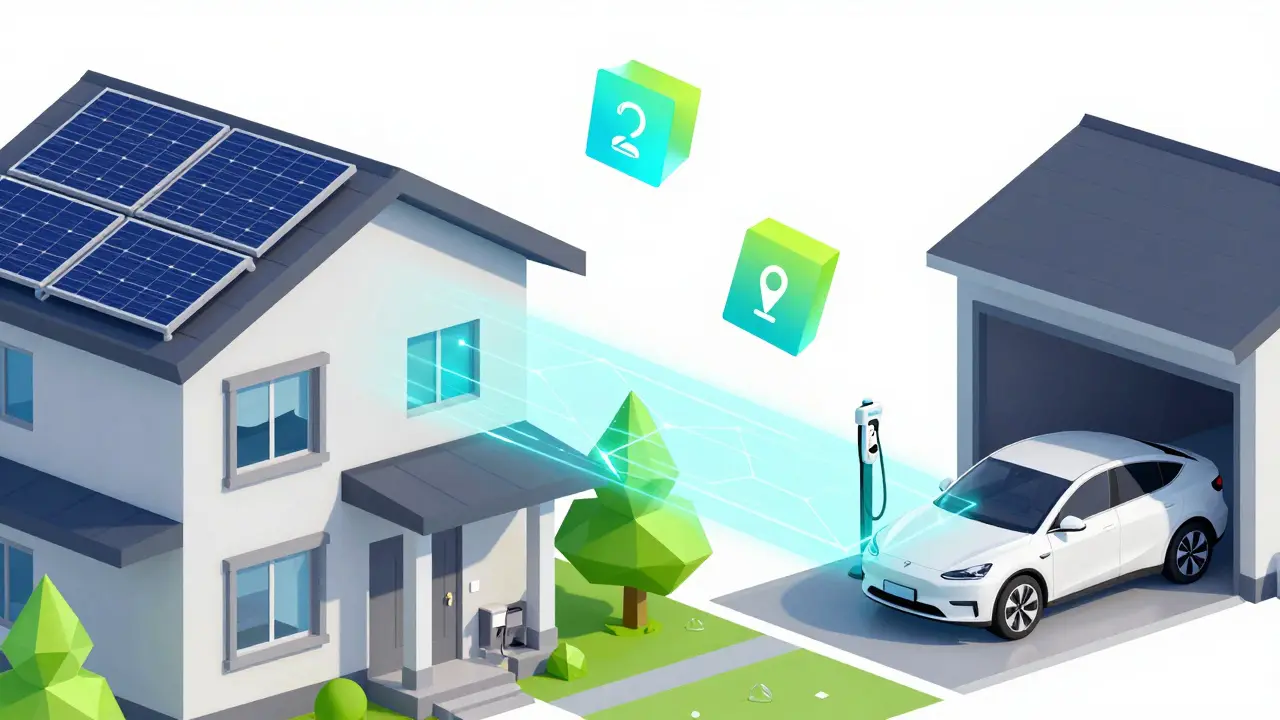
Imagine a world where your rooftop solar panels don't just feed back into the grid but sell directly to your neighbor’s electric car charger, with every kilowatt-hour tracked securely and instantly. This isn't science fiction anymore. It is the promise of Energy Data Management with Blockchain, which uses decentralized digital ledgers to handle energy information with unprecedented transparency and security. For decades, the energy sector has relied on centralized systems that are often opaque, inefficient, and vulnerable to manipulation. Traditional databases act like silos, making it hard to verify data integrity or share information between utilities, consumers, and regulators. Blockchain technology changes this by creating an immutable record of transactions that everyone can trust without needing a middleman. If you are looking to understand how this technology works, why it matters for the future of power grids, and what challenges remain, you have come to the right place. ### The Core Problem with Traditional Energy Systems To appreciate the solution, we first need to look at the problem. Current energy infrastructure was built for a one-way flow of electricity: from large power plants to passive consumers. Data followed the same path. Utilities collected usage data, stored it in private servers, and used it for billing. This model created several critical issues:
- Data Opacity: Consumers rarely see real-time details about where their energy comes from or its true carbon footprint.
- Vulnerability to Manipulation: Centralized databases can be hacked or altered intentionally, leading to inaccurate reporting on compliance or fuel prices.
- Inefficiency: Intermediaries add costs and delays to transactions, especially when trying to integrate renewable sources like wind or solar.
- Immutability: Once a block of data (like an energy transaction) is added to the chain, it cannot be changed. Each block contains a timestamp and a unique hash identifier linked to the previous block. To alter one record, you would have to change every subsequent block on the network, which is computationally nearly impossible.
- Transparency: All participants in the network can view the ledger. This eliminates the "black box" nature of traditional utility data.
- Automation via Smart Contracts: Smart contracts are self-executing contracts with the terms of the agreement directly written into code. They automate payments and energy transfers. For example, if your solar panel produces excess energy, a smart contract can automatically sell it to a neighbor at a pre-agreed price without human intervention.
- Energy law compliance records
- Fuel prices
- Production and consumption metrics
- Distributed Energy Resources (DERs): Each generator, customer, and aggregator gets a digital identity on the ledger.
- Consensus Mechanisms: Instead of energy-intensive Proof of Work (PoW), many energy blockchains use Proof of Stake (PoS) or other lightweight consensus algorithms to validate transactions efficiently.
- Data Integrity: Critical data is hashed and stored on-chain, while bulky raw data might be stored off-chain with only the verification key on the blockchain.
| Feature | Traditional Centralized System | Blockchain-Based System |
|---|---|---|
| Data Control | Centralized (Utility-owned) | Decentralized (Shared among participants) |
| Transparency | Low (Opaque silos) | High (Publicly verifiable ledger) |
| Security | Vulnerable to single-point hacks | Cryptographically secured, immutable |
| Transaction Cost | High (Intermediaries required) | Lower (Peer-to-peer direct trading) |
| Flexibility | Rigid, slow to update | Adaptable via smart contracts |
- Renewable Energy Integration: As more households install solar panels, the need for efficient micro-grid trading increases.
- Carbon Credit Tracking: Blockchain provides an auditable trail for carbon credits, preventing double-counting and fraud.
- AI Integration: New platforms like peaq blockchain are integrating AI agents that make energy decisions based on real-time data, weather forecasts, and market prices, executing trades autonomously.
- Technical Complexity: Implementing blockchain requires specialized skills. Developers need expertise in smart contract programming, cybersecurity, and energy system architecture. Salaries for these specialists range from $80,000 to $150,000 annually.
- Regulatory Uncertainty: Laws vary by jurisdiction. While the EU's Energy Efficiency Directive is incorporating blockchain verification, other regions lag behind.
- Scalability: As more users join the network, transaction speeds can drop unless the underlying protocol is optimized.
- Initial Investment: Upgrading existing infrastructure to support blockchain interfaces requires significant capital, which may be prohibitive for smaller operators.
- Audit Your Data Needs: Identify which data points require immutability and transparency (e.g., carbon credits, P2P trades).
- Choose the Right Platform: Decide between public networks like Ethereum for maximum transparency or private/hybrid chains for enterprise control.
- Build Partnerships: Collaborate with blockchain development firms. The learning curve is steep, and expert guidance saves time.
- Pilot Testing: Run a small-scale pilot (6-12 months) before full deployment. Test smart contracts under real-world conditions.
- Ensure Compliance: Work with legal teams to ensure your blockchain structure meets local energy regulations.
What is the main benefit of using blockchain for energy data?
The primary benefit is immutability and transparency. Blockchain creates a tamper-proof record of energy transactions, eliminating fraud, reducing intermediary costs, and allowing real-time verification of data such as carbon footprints or renewable energy certificates.
Can individuals trade energy directly using blockchain?
Yes, through peer-to-peer (P2P) energy trading platforms. Homeowners with solar panels can sell excess energy directly to neighbors or local businesses using smart contracts that automate the payment and transfer process without a central utility acting as the middleman.
Is blockchain energy-intensive?
It depends on the consensus mechanism. Proof of Work (PoW) is energy-intensive, but most modern energy-focused blockchains use Proof of Stake (PoS) or hybrid models, which are significantly more energy-efficient and suitable for IoT environments.
What role do smart contracts play in energy management?
Smart contracts automate complex processes. They execute predefined actions-such as paying a producer when energy is delivered or adjusting grid load based on demand-without human intervention, ensuring speed and accuracy.
How long does it take to implement a blockchain energy system?
Implementation typically takes 12 to 24 months for large-scale deployments. This includes planning, system design, pilot testing, and full integration. Smaller pilots may take 6-12 months.
What is the Chilean CNE blockchain project?
Launched in 2018, the Chilean National Energy Commission (CNE) project was one of the first government-led initiatives to use Ethereum for recording energy data. It provided public access to energy compliance and pricing data, enhancing transparency and trust.
Which blockchain platforms are best for energy applications?
Ethereum is widely used for its mature developer community and smart contract capabilities. Specialized platforms like peaq are emerging, focusing specifically on energy tokenization and AI-driven energy decisions.