

Tokpie Crypto Exchange Review: Is It Still a Viable Option in 2026?
 Apr, 24 2026
| Feature | Detail |
|---|---|
| Trading Fee | 0.10% (Flat Maker/Taker) |
| Supported Assets | 646 Cryptocurrencies |
| Max Leverage | 1:10 |
| Unique Selling Point | Bounty Stake Trading |
| Regulation Status | Unregulated |
The Hook: Bounty Stake Trading
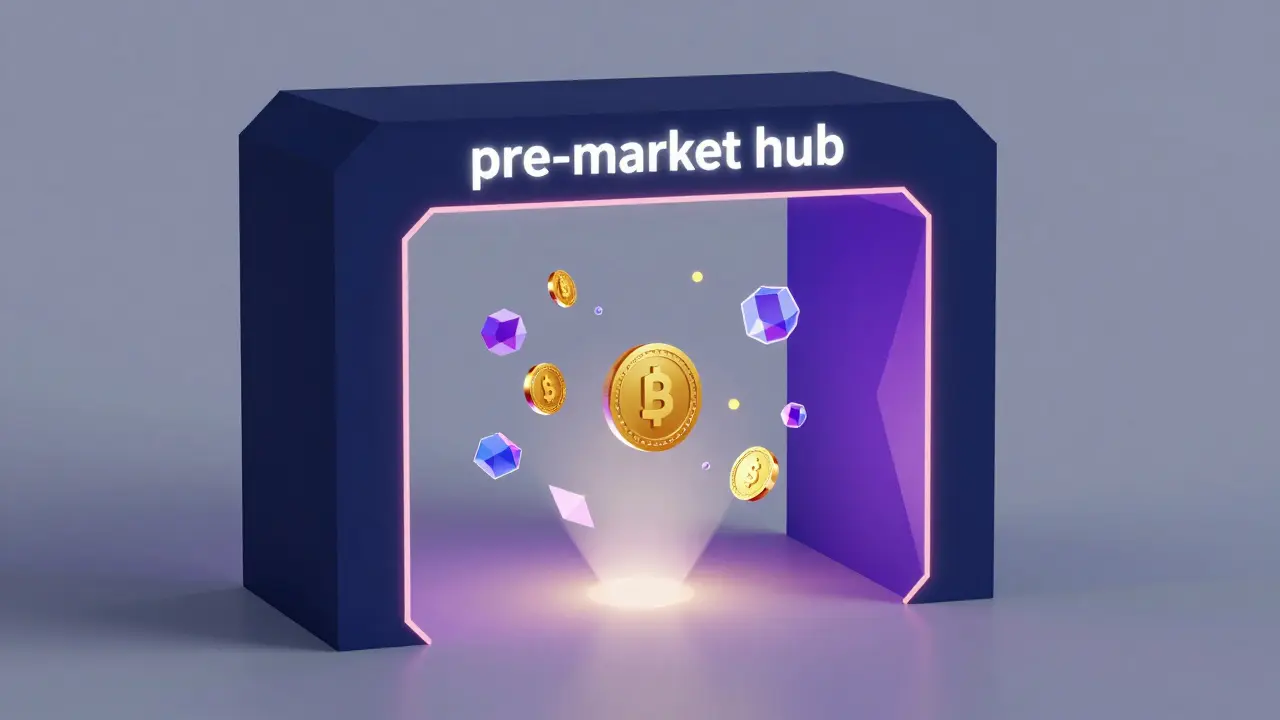
Most people know the pain of seeing a token moon and realizing they missed the initial distribution. Tokpie tried to fix this. Instead of waiting for a formal listing, the platform enabled Bounty Stake Trading, a system where users could buy and sell tokens earned through project bounties and airdrops. This effectively turned the exchange into a pre-market hub for blockchain startups.
For the average retail investor, this was a way to diversify into high-risk, high-reward assets without needing to be a developer or a venture capitalist. By integrating with ecosystems like Ethereum and Bitcoin, Tokpie provided a bridge between early-stage token distributions and liquid trading pairs.
Trading Costs and Token Utility
When you're trading small-cap tokens, fees can eat your profits alive. Tokpie kept things simple with a flat 0.10% fee for both makers and takers. In the broader market, where the global average often hovers around 0.25%, this made them competitive. While giants like Binance offer tiered structures that can go even lower, Tokpie's approach was transparent and easy to calculate.
If you wanted to slash those costs further, the platform introduced the TKP token. By holding these tokens in your account, you could potentially reduce trading fees by up to 80%-bringing them down to 0.02%-and cut your withdrawal costs in half. It's a classic exchange move: create a native token to incentivize loyalty and reduce overhead for active traders.

User Experience and Accessibility
The platform wasn't built for hedge fund managers; it was built for people who wanted a straightforward interface. Tokpie offered a browser-based trading terminal and mobile apps for iOS and Android. Users generally reported that the process of listing tokens was fast and the support team was responsive, with 24/7 live assistance available to help navigate the bounty systems.
Getting money into the system was a bit of a mixed bag. While they partnered with Simplex to allow bank card deposits and integrated Apple Pay, the fiat on-ramps remained limited compared to the seamless experience you get on a platform like Coinbase. For most, the easiest path was simply depositing from an external cryptocurrency wallet.
The Red Flags: Regulation and Reliability
Here is where the story gets complicated. In the current climate of 2026, regulation is everything. The EU's MiCA regulations have made it nearly impossible for unregulated exchanges to thrive in Europe. Tokpie, for its part, has no official government regulation. This means if something goes wrong, there is no insurance fund or regulatory body to help you recover your assets.
Even more concerning is the contradictory evidence regarding its operational status. Some industry monitors, such as Cryptowisser, have labeled the exchange as "dead," claiming it has effectively closed down. Yet, the website remains active with testimonials dated throughout 2025. This kind of ambiguity is a massive red flag in the crypto world. When a platform stops updating its roadmap and starts disappearing from traffic rankings-dropping to a very low position among the 600+ active exchanges globally-it's usually a sign that the project is winding down.
Comparing Tokpie to the Competition
If you're deciding whether to use Tokpie or a more established player, the trade-off is essentially "Early Access vs. Security." Tokpie offers a window into tokens that aren't available elsewhere, but it lacks the institutional-grade custody and liquidity of the top-tier exchanges.
| Criteria | Tokpie | Mainstream (e.g., Binance/Coinbase) |
|---|---|---|
| Asset Availability | High (includes pre-listed bounties) | Moderate (vetted assets only) |
| Security/Regulation | Low (Unregulated) | High (Regulated in multiple jurisdictions) |
| Liquidity | Low (Niche pairs) | Very High |
| Fiat On-ramps | Limited (Simplex) | Comprehensive |
Final Verdict: Should You Use It?
For the adventurous trader who understands that "pre-market" often means "high risk of total loss," Tokpie's model was intriguing. The ability to trade 646 different cryptocurrencies and leverage those positions up to 1:10 provided a level of flexibility that's rare. However, the lack of margin call and stop-out mechanisms means that if a trade goes south, you could be liquidated instantly without warning.
Given the reports of the platform being essentially dormant and the absolute lack of regulatory oversight, it's hard to recommend Tokpie for any significant amount of capital in 2026. If you are still using the platform, the smartest move is likely to migrate your assets to a non-custodial wallet. The crypto market has matured; specialized exchanges that can't keep up with compliance and liquidity usually end up in the "Exchange Graveyard."
Is Tokpie still operational in 2026?
There is conflicting information. While the official website remains online, several reputable crypto monitoring services have marked the exchange as "dead" due to a lack of updates and low traffic. Use extreme caution if attempting to deposit funds.
What is bounty stake trading on Tokpie?
Bounty stake trading allows users to buy and sell tokens that were distributed via bounties or airdrops before those tokens are officially listed on major global exchanges. It is essentially a pre-market for early-stage projects.
How do the trading fees work on Tokpie?
Tokpie uses a flat fee of 0.10% for both makers and takers. You can reduce these fees by holding TKP tokens, which can lower the cost of trading by up to 80% (down to 0.02%).
Is Tokpie regulated?
No, Tokpie is not regulated by any government authority. This means there is no legal protection for your funds if the platform fails or encounters security issues.
Can I use credit cards to buy crypto on Tokpie?
Yes, Tokpie partnered with Simplex to allow bank card deposits and also supports Apple Pay, though these options may be limited depending on your region.
Caiaphas Konkol
April 24, 2026 AT 17:30Typical. Another 'hidden gem' that's actually just a glorified piggy bank for the devs. Only a novice would think an unregulated platform in 2026 is anything other than a trap. The lack of a roadmap isn't just a red flag, it's a siren screaming that the ship has already sunk while the elites already exited their positions.
Gloris Young
April 25, 2026 AT 04:24Seems like a risky play these days.
Clair Geary
April 26, 2026 AT 15:18omg the bounty trading part sounds like a total wild west ride lol
always wild to see these niche sites try to carve out a spot before the giants swoop in and eat everyone alive
Kyle Bush
April 28, 2026 AT 00:35WHO CARES IF IT IS UNREGULATED!!! 🇺🇸 THAT IS THE WHOLE POINT OF CRYPTO!!! 🚀🚀🚀 get rid of the middlemen and take the risk or stay broke! lets gooo 💸🔥
Mike Krasner
April 29, 2026 AT 09:50imagine actually believing that a 0.10 percent fee makes a difference when you are probably getting rugged by the platform itself lol
Hannah Rubia
April 30, 2026 AT 05:21It is imperative to prioritize the security of one's digital assets over the allure of early-stage token access. The absence of a regulatory framework, particularly under the current MiCA guidelines, renders any deposit an unacceptable risk for the prudent investor.
debashish sahu
April 30, 2026 AT 19:49The concept of pre-market trading for airdrops is quite interesting from a global perspective, though the execution here seems lacking in longevity.
Guy Bianco
May 1, 2026 AT 08:47It is truly important to remember that safety should always come first when exploring these platforms. Please be careful with your funds. :) 🌸
Mary Tawfall
May 1, 2026 AT 23:53I really appreciate the heads-up on the non-custodial wallets! It is always better to be safe and move things over before a site completely vanishes. We can all learn from these market shifts and come out stronger on the other side.
Jagdish Sutar
May 2, 2026 AT 08:44I agree that moving to a private wallet is the best path forward. It is a great way for beginners to learn about true ownership of their assets.
Matthew Morse
May 4, 2026 AT 00:55too much text but basically just don't use it if it looks dead
Tara Aman
May 4, 2026 AT 18:35Let's just keep looking for better alternatives that actually have a working roadmap! We can find something way more stable together!
Alex Hunter
May 6, 2026 AT 08:20The bounty system was a clever way to solve the listing lag problem. It allowed a lot of people to participate who wouldn't have had the connections for private sales. It is a shame that the infrastructure couldn't scale with the regulatory changes of the last couple of years. For those still curious, looking into decentralized exchanges that offer similar pre-market pools might be a safer bridge to that same kind of exposure without the custodial risk. It's all about balancing the appetite for risk with the reality of the current legal landscape.
Ellie Drews
May 7, 2026 AT 16:02I'm with everyone saying just be cautious. No need to panic, but definitely not the time to put more money in there.
Mike Word
May 9, 2026 AT 01:04The Simplex integration is a bit of a relic now that we have better P2P options. I wonder if the low traffic is just because people moved to more streamlined on-ramps.