

VitBlock Crypto Exchange Review: What We Found (2026)
 Mar, 24 2026
There’s no real information about a crypto exchange called VitBlock. Not from major industry reports. Not from user forums. Not even from obscure blogs. If you’re searching for reviews, trading pairs, fee structures, or security details about VitBlock, you’re hitting a wall. And that’s the first red flag.
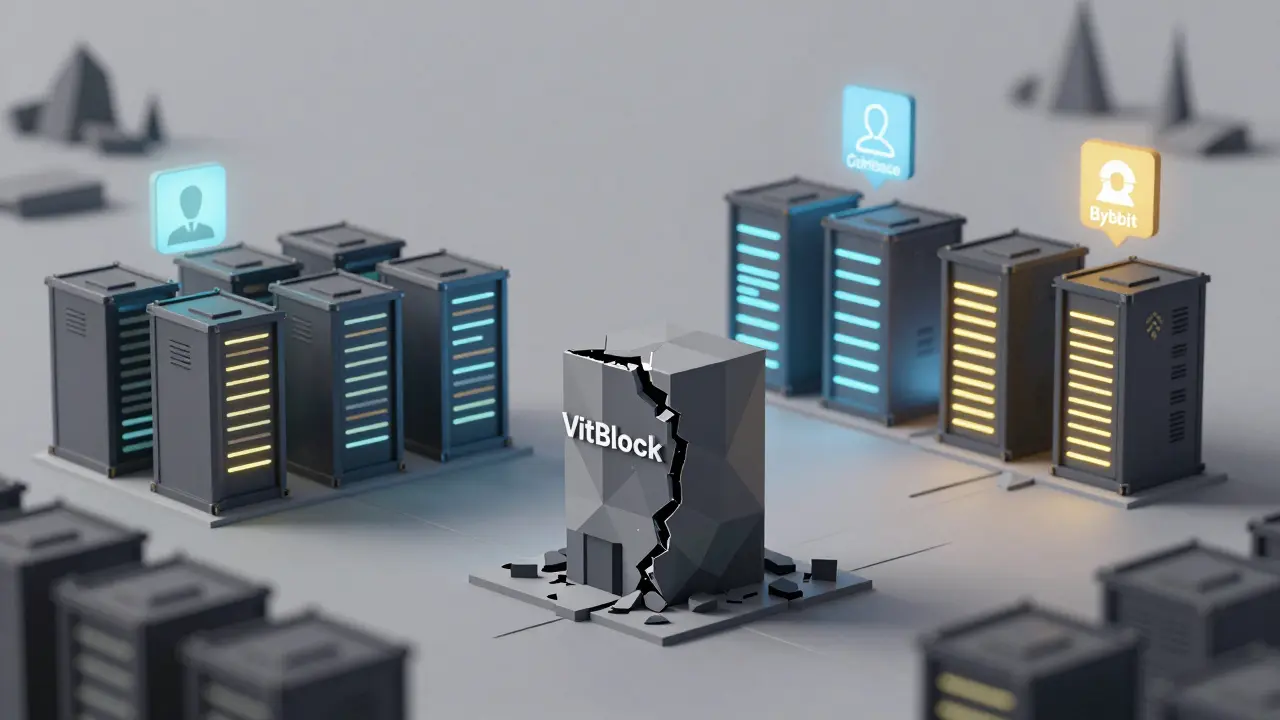
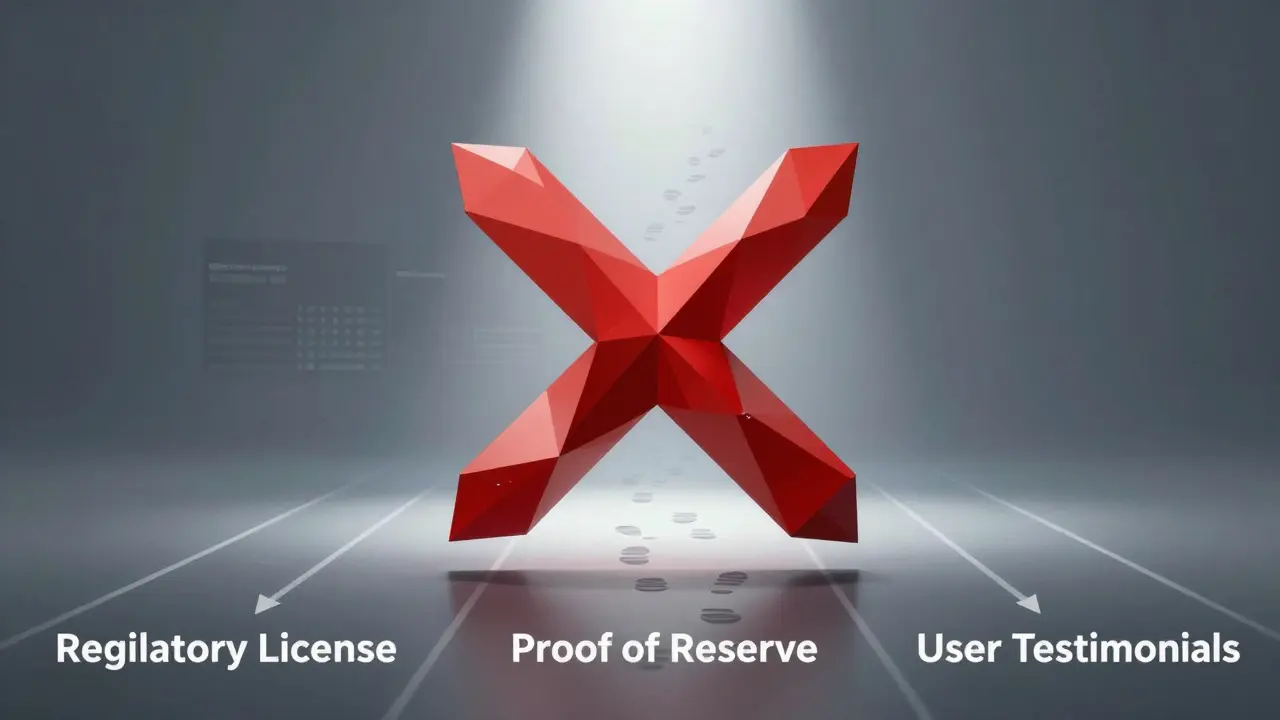
By March 2026, the crypto exchange landscape is crowded but well-documented. Binance, Coinbase, Bybit, and Crypto.com are all running clear, public operations with transparent fee schedules, regulatory licenses, and millions in daily volume. Even lesser-known players like BitValve and HodlHodl have traceable histories, user bases, and documented features. VitBlock? Nothing. No website. No Twitter. No Discord. No press releases. No user testimonials. Not even a typo in a forum post from 2025.
Why This Matters
When a platform claims to be a crypto exchange but leaves zero digital footprint, it’s not just hard to review-it’s dangerous to use. Crypto exchanges handle your money. They store your private keys or act as custodians. If you can’t verify their existence, you can’t verify their safety. There’s no Proof of Reserve audit. No third-party security certification. No history of handling withdrawals. That’s not a startup-it’s a ghost.
Compare that to Binance. It’s been through multiple regulatory crackdowns, moved headquarters three times, and still processes over $30 billion in daily trading volume. It’s got a matching engine that handles 100,000 trades per second. It’s got cold storage for 95% of user funds. It’s got a public audit trail. You can look it up. You can test it. You can read about real users who’ve had issues and how they were resolved.
Or look at Coinbase. It’s registered with the SEC, FinCEN, and multiple European regulators. It charges higher fees, sure-but you know exactly why. You’re paying for compliance, insurance, and a UI designed for someone who’s never bought crypto before. It’s not perfect, but it’s real.
What You Should Be Looking For
If you’re searching for a new exchange, here’s what you need to check before depositing a single dollar:
- Domain and website - Does it load? Is the design professional? Or does it look like a free WordPress theme from 2018?
- Regulatory status - Does it say where it’s licensed? Look for FINTRAC, FCA, ASIC, or MiCA compliance. If it says "licensed in the Caymans" without a license number, walk away.
- Trading volume - Check CoinGecko or CoinMarketCap. If daily volume is under $10 million, liquidity is weak. You won’t be able to trade large amounts without slippage.
- Withdrawal history - Search for "VitBlock withdrawal problems" or "VitBlock scam" on Google. If you find zero results, that’s not a good sign. Real exchanges have complaints. Ghost exchanges have silence.
- Customer support - Try contacting them. Send an email. Use live chat if available. If you get an auto-reply or no reply after 48 hours, that’s your answer.
BitValve, for example, has a small user base but clear documentation. You can see which coins it supports, what fees it charges for each deposit method, and how long withdrawals take. It’s not the best exchange-but it’s real. VitBlock? No data. No answers.
Is VitBlock a Scam?
Not necessarily. It could be a project that never launched. A domain bought by someone who never built anything. A typo for BitValve. A fake name used to lure people into a phishing site. But here’s the thing: it doesn’t matter what the intention was. If you’re thinking of using it, you’re already at risk.
Scammers don’t always set up fake websites with "CLICK TO DEPOSIT" buttons. Sometimes they just register a name, wait for people to Google it, and then sell the domain to a fraudster later. Or they use it to collect emails for phishing campaigns. Or they vanish with deposits before anyone even notices.
In 2025, a new exchange called XXKK appeared with crazy low fees-0.02% for makers-and even offered trading in Apple and Tesla stocks. It had AI monitoring, real licenses, and a functioning app. People trusted it because it had substance. VitBlock has none of that.
What to Do Instead
If you’re looking for a reliable exchange in 2026, stick to the ones that have stood the test of time:
- Binance - Best for active traders. High liquidity, low fees, advanced tools. Not for US users in most states.
- Coinbase - Best for beginners and regulated users. Simple, secure, but expensive.
- Bybit - Best for derivatives and futures traders. Powerful charts, instant execution, $3,000 bonus for new users.
- HodlHodl - Best for privacy. P2P, no KYC, non-custodial. No fiat, but great for anonymous trading.
- Crypto.com - Best for mobile users. Strong app, cashback rewards, but limited fiat options.
Each of these has public audits, user reviews, regulatory filings, and a track record. You can find their terms of service. You can read their help center. You can search for their name on Reddit and find real conversations.
VitBlock? You can’t. And that’s not an oversight-it’s a warning.
Final Verdict
There is no legitimate VitBlock crypto exchange. Not in 2025. Not in 2026. If you see it advertised anywhere, treat it like a phishing link. Don’t click. Don’t deposit. Don’t even enter your email. If someone tells you it’s "the next big thing," ask them to show you their wallet address, withdrawal history, or license number. If they can’t, they’re selling you a dream.
Real crypto exchanges don’t hide. They compete. They publish. They improve. VitBlock does none of that. And in crypto, silence isn’t mystery-it’s risk.
Aman Kulshreshtha
March 25, 2026 AT 06:26Annette Gilbert
March 27, 2026 AT 04:09John Alde
March 28, 2026 AT 02:38Lorna Gornik
March 29, 2026 AT 23:26Joshua T Berglan
March 30, 2026 AT 22:12Kevion Daley
March 31, 2026 AT 11:09Domenic Dawson
April 1, 2026 AT 05:37Sam Harajly
April 2, 2026 AT 16:06Abhishek Thakur
April 4, 2026 AT 09:19Jackie Crusenberry
April 4, 2026 AT 14:37Anna Lee
April 5, 2026 AT 09:40Shana Brown
April 6, 2026 AT 06:25Shelley Dunbrook
April 7, 2026 AT 03:51Misty Williams
April 7, 2026 AT 21:17Andrew Midwood
April 9, 2026 AT 01:15Brijendra Kumar
April 9, 2026 AT 20:53Ananya Sharma
April 10, 2026 AT 18:04Florence Pardo
April 12, 2026 AT 07:18Alicia Speas
April 14, 2026 AT 05:11Tammy Stevens
April 14, 2026 AT 14:10