

YourToken Crypto Exchange Review: Is It Safe or a Scam in 2026?
 May, 4 2026
You have probably seen ads for YourToken popping up on social media. The promises sound too good to be true: high returns, low fees, and instant access to the latest tokens. But here is the hard truth that most promotional material ignores: there is almost no credible information about this platform. In a world where crypto scams cost billions of dollars annually, silence from reputable sources is not just suspicious-it is a massive red flag.
I have spent years analyzing crypto platforms, and when I look at YourToken, I see a pattern that matches many fraudulent schemes. This article breaks down exactly what we know, what we don’t know, and how you can protect your money. We will also look at legitimate alternatives that actually deliver on their promises without risking your life savings.
The Red Flags Surrounding YourToken
When evaluating any new financial platform, the first step is checking its track record. For YourToken, that track record is nonexistent. A deep dive into major industry databases, regulatory filings, and independent review sites reveals zero substantial data. There are no verified user testimonials on trusted forums like Reddit or Trustpilot. There are no mentions by established crypto news outlets like CoinDesk or Cointelegraph.
This lack of visibility is dangerous. Legitimate exchanges operate under strict transparency rules. They publish their ownership details, regulatory licenses, and security audits. YourToken fails on all these counts. Here are the specific warning signs you need to watch for:
- No Regulatory Licensing: Reputable exchanges register with bodies like the Australian Securities and Investments Commission (ASIC) or the US Financial Crimes Enforcement Network (FinCEN). YourToken has no public record of such registration.
- Vague Team Information: Scam sites often list fake team members or use stock photos. If you cannot find LinkedIn profiles for the founders that match their claims, walk away.
- Unrealistic Promises: If the platform guarantees fixed high returns, it is likely a Ponzi scheme. Real markets fluctuate; guaranteed profits do not exist in legitimate trading.
- Poor Website Quality: Look for spelling errors, broken links, and generic design templates. Professional exchanges invest heavily in user experience and security infrastructure.
Remember, if a platform is truly innovative and safe, the industry talks about it. The fact that YourToken is invisible to serious analysts suggests it is either brand new and untested-or worse, designed to disappear once it collects enough deposits.
How Crypto Scams Operate in 2026
Understanding the mechanics behind these schemes helps you spot them early. Most fake exchanges follow a predictable script. First, they lure you in with aggressive marketing on Instagram, TikTok, or via email spam. They might claim to partner with famous brands or celebrities, but these endorsements are usually fabricated.
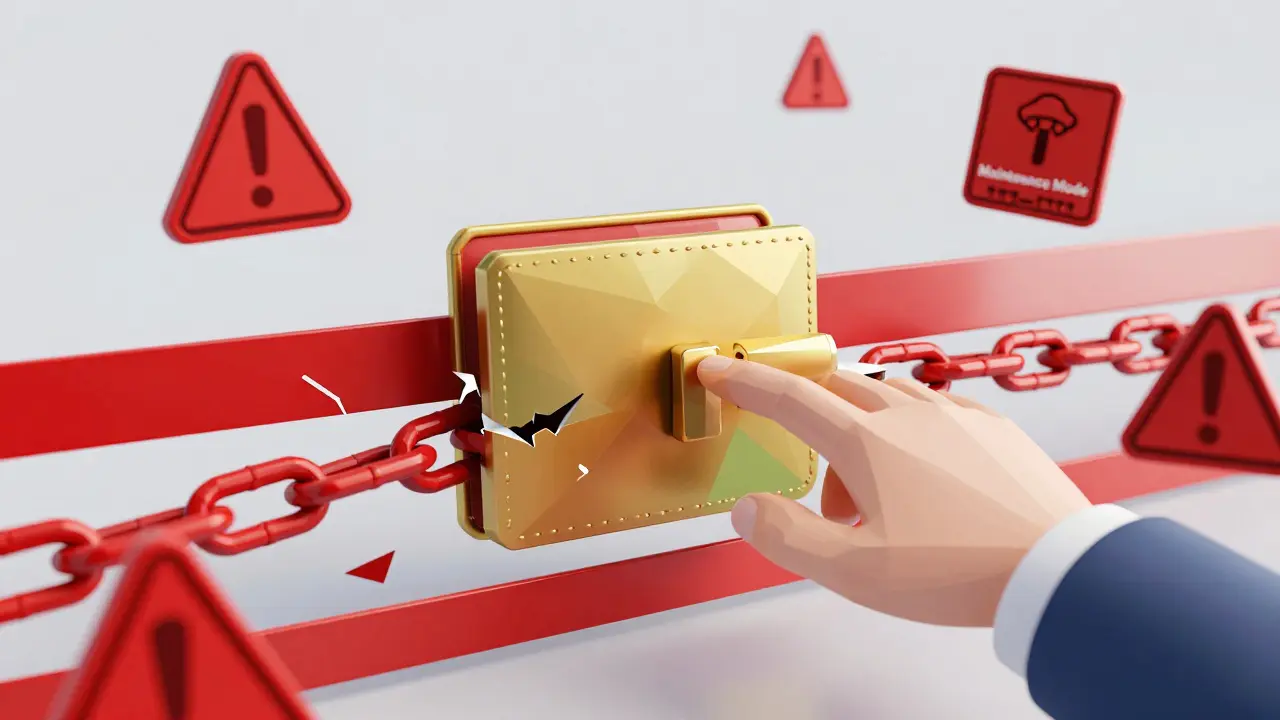
Once you deposit funds, things change quickly. You might see a dashboard showing your balance growing. Do not get excited yet. That number is just pixels on a screen. When you try to withdraw your money, the excuses start. "Maintenance mode," "high network traffic," or "additional verification required" are common tactics used to delay payouts indefinitely.
In some cases, scammers ask for more money to "unlock" your withdrawals. Never send additional funds. This is a classic trap. The goal is to extract as much capital as possible before shutting down the website and disappearing. According to reports from cybersecurity firms, the average loss for victims of crypto exchange scams exceeds $5,000, with many losing their entire investment.
What Makes a Crypto Exchange Legitimate?
To understand why YourToken is risky, compare it against the standards set by top-tier platforms. Established exchanges prioritize security, compliance, and user trust above all else. Let’s look at what real safety looks like.
Kraken is a prime example. They have maintained an impeccable security record for over a decade, with no successful hacks. How? Through rigorous penetration testing by their internal Kraken Security Labs and an industry-leading bug bounty program. They also pioneered regular external proof-of-reserve audits, allowing users to verify that the exchange actually holds the assets it claims to manage.
Coinbase offers another layer of protection for US-based users. They provide FDIC insurance for customer cash deposits. While this does not insure your crypto holdings directly, it protects your fiat currency while it sits in the account. This level of regulatory compliance requires significant legal and financial overhead-something scam operations cannot afford.
Even newer platforms like Bybit or Crypto.com have clear fee structures, transparent support channels, and active communities. Bybit, for instance, offers fee discounts through its native token, but the terms are clearly stated. Crypto.com uses a spread-based model, which they disclose openly. Transparency is non-negotiable.
| Feature | Legitimate Exchanges (e.g., Kraken, Coinbase) | Suspicious Platforms (e.g., YourToken) |
|---|---|---|
| Regulatory Status | Licensed and registered in multiple jurisdictions | No visible licensing or hidden ownership |
| Security Audits | Regular third-party audits and proof-of-reserves | No audit history or fake certificates |
| Customer Support | 24/7 human support via chat, email, and phone | Bots only, delayed responses, or ignored tickets |
| Fees | Transparent, published fee schedules | Hidden fees, withdrawal charges, or vague pricing |
| User Reviews | Thousands of verified reviews on independent sites | No reviews or only fake positive comments |
Safe Alternatives for Traders in 2026
If you are looking for a reliable place to trade cryptocurrencies, do not gamble with unknown entities. Stick to platforms with proven track records. Here are three solid options depending on your needs.
For Beginners: Coinbase If you are new to crypto, Coinbase is the safest starting point. Its interface is intuitive, and its regulatory compliance gives you peace of mind. Yes, the fees are slightly higher (around 0.4% for standard trades), but you are paying for security and ease of use. It is widely available in Australia and other Western countries.
For Cost-Conscious Traders: Bybit If you trade frequently, fees matter. Bybit offers competitive rates, especially if you hold their native token. You can reduce trading fees by up to 25%, bringing costs down to just 7.5 basis points. They also offer advanced tools for experienced traders, including leverage and futures, though you should approach those with caution.
For Security Purists: Kraken If security is your top priority, Kraken is unmatched. With 11 years of no hacks, strong privacy features, and excellent customer support, it is ideal for long-term holders. Their fees start at 0.25%, which is reasonable for the level of service provided.
Another interesting option is IDEX, a hybrid decentralized exchange. It combines the security of DEXs with the speed of centralized platforms. Operating on Ethereum and Binance Smart Chain, it allows you to keep control of your private keys while enjoying fast execution. This is a great middle ground for those wary of custodial risk.
How to Verify Any Crypto Platform Yourself
You do not have to take my word for it. You can perform due diligence on any exchange using these simple steps. Always apply this checklist before depositing a single cent.
- Check Regulatory Databases: Search for the exchange name in ASIC, FinCEN, or FCA registries. If they claim to be regulated but are not listed, they are lying.
- Investigate the Team: Look up the founders on LinkedIn. Do their work histories make sense? Are they connected to other reputable projects?
- Read Independent Reviews: Ignore the reviews on the exchange’s own website. Go to Reddit, Twitter, and specialized crypto forums. Search for complaints about withdrawals.
- Test Customer Support: Ask a simple question via live chat or email. Note the response time and quality. If they ignore you or give generic answers, that is a bad sign.
- Examine the Website URL: Ensure the site uses HTTPS and check for typos in the domain name. Scammers often create lookalike domains (e.g., yourtoken-exchange.com instead of yourtoken.com).
Also, consider using a hardware wallet like Ledger or Trezor for storing your assets. Even if you trade on a legitimate exchange, keeping large amounts of crypto off-platform reduces your risk exposure.
Why Silence Is Not Golden
In the crypto world, anonymity is often a shield for malicious intent. Legitimate businesses want publicity because it builds trust. They hire PR teams, engage with journalists, and participate in industry conferences. YourToken does none of this. Instead, it relies on stealth and hope that users won’t ask questions.
Consider the case of Mt. Gox, one of the earliest major exchanges. Despite its initial popularity, it lacked proper oversight and eventually collapsed, stealing billions from users. The lesson is clear: size and hype do not equal safety. Governance and transparency do.
As of May 2026, the crypto market is maturing. Regulators are cracking down on unlicensed operators. Platforms that cannot meet basic compliance standards are being shut down or blocked. Aligning yourself with a shady operator now could leave you with nothing when the crackdown comes.
Is YourToken a scam?
While we cannot definitively label it a scam without legal judgment, YourToken exhibits all the major warning signs of a fraudulent platform. These include lack of regulatory licensing, absence of verifiable team information, no independent reviews, and unrealistic profit promises. Users should treat it as highly risky and avoid depositing funds.
What are the safest crypto exchanges in 2026?
The safest exchanges include Kraken, known for its 11-year hack-free record; Coinbase, which offers FDIC insurance for cash deposits; and Bybit, which provides competitive fees and robust security measures. All three are regulated, transparent, and have large, active user bases.
How can I tell if a crypto exchange is legitimate?
Look for regulatory licenses (ASIC, FinCEN, etc.), transparent fee structures, verifiable team backgrounds, and positive reviews on independent platforms. Legitimate exchanges also undergo regular security audits and provide responsive customer support.
Can I recover my money if I lose it on YourToken?
Recovering funds from a fraudulent exchange is extremely difficult. Once scammers identify themselves, they typically block withdrawals and disappear. If you suspect fraud, report it to your local authorities and credit card provider immediately, but do not expect a full refund.
Are decentralized exchanges (DEXs) safer than centralized ones?
DEXs like IDEX offer different security benefits because you retain control of your private keys. However, they come with risks like smart contract vulnerabilities and irreversible transactions. Hybrid models combine DEX security with better usability, offering a balanced approach for cautious traders.