

CovidToken Airdrop: What You Need to Know (And Why It Might Be a Scam)
 Feb, 1 2026
There’s no such thing as a legitimate CovidToken airdrop. Not now, not in 2025, and not in 2026. If you’ve seen a website, Telegram group, or Twitter post offering free CovidToken coins in exchange for connecting your wallet or sharing your private key, you’re being targeted by a scam.
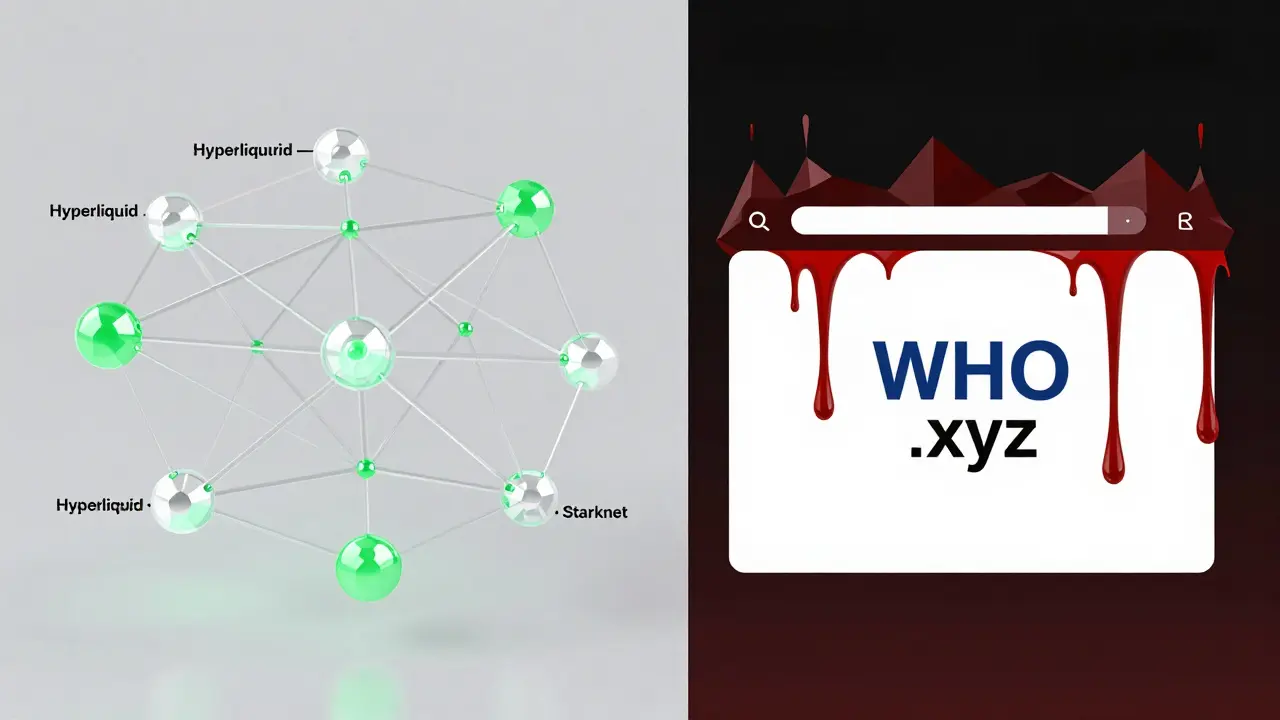
Crypto airdrops are real. Projects like Hyperliquid, Starknet, and Monad handed out millions in tokens in 2024. But none of them ever used the word "Covid" in their name. Not once. Not in any official report from CoinGecko, TokenMetrics, or Airdrops.io. The entire concept of a "CovidToken" project tied to a public health crisis is not just unlikely-it’s a red flag that screams fraud.
Why "CovidToken" Doesn’t Exist
The idea of a cryptocurrency tied to the pandemic never gained traction. No major blockchain team launched it. No venture capital firm backed it. No exchange listed it. Even during the peak of crypto speculation in 2021 and 2022, when people were creating tokens named after memes, dogs, and pizza, no credible team ever built a "CovidToken." Why? Because it’s unethical. Exploiting a global health crisis for profit is the kind of thing that gets projects banned, ignored, and legally hunted down.
Search any official crypto database-CoinMarketCap, CoinGecko, DeFiLlama, or Etherscan-and you won’t find a contract address for CovidToken. No token symbol (like $CVID or $COVID). No liquidity pool. No transaction history. If it were real, it would show up. It doesn’t. That’s not an oversight. That’s proof it’s fake.
How the Scam Works
The scam follows a pattern you’ve probably seen before. You get a message: "Join the CovidToken airdrop! Free tokens for early users!" Then you’re asked to:
- Connect your MetaMask wallet to a website
- Sign a transaction that looks like "Claim Airdrop"
- Share your wallet address or seed phrase
- Invite friends to join
Here’s what really happens when you sign that first transaction. The site doesn’t give you tokens. It gives attackers permission to drain your wallet. They use a malicious smart contract that says: "Allow this address to move any ETH or ERC-20 tokens from my wallet." Once you approve it, they walk away with your entire balance-sometimes tens of thousands of dollars.
Real airdrops don’t ask you to sign transactions before you get tokens. They take a snapshot of your wallet at a set time. If you held $10 worth of a specific token on December 1, 2025, you might get $50 in new tokens later. No signatures. No links. No urgency.
What Real Airdrops Look Like
Compare this to a real airdrop, like the one from Hyperliquid in early 2025. They announced eligibility based on trading volume on their platform over six months. No wallet connection required upfront. No private keys asked for. They published the snapshot date publicly. They listed qualifying wallets on-chain. They even gave users a 72-hour window to claim tokens after the official launch.
Or take the Peaq airdrop in late 2024. They used a simple, transparent system: if you held their testnet token and participated in community events, you qualified. No forms. No social media spam. No "limited time only" pressure. Everything was documented on their GitHub and official blog.
CovidToken does none of that. Because it’s not real. It’s a trap.
Why People Fall for It
Scammers count on emotion. After years of pandemic trauma, people are still sensitive to anything related to health, vaccines, or crisis relief. They see "CovidToken" and think: "Maybe this is a charity project. Maybe it helps fund research." That’s exactly what the scammer wants you to believe.
They use fake logos that mimic real health organizations. They copy-paste news headlines from 2020. They even create fake Twitter accounts with blue checks bought on shady marketplaces. One scam site in 2025 used the same font and color scheme as the WHO website. It looked real-until you checked the domain. It was covid-token[.]xyz. Not .org. Not .gov. .xyz. A domain registered two weeks ago.
Another trick? They post testimonials from "users" who say they got 10,000 tokens. But those accounts are bots. The screenshots are edited. The wallet addresses shown? Empty. Or worse-they belong to people who already got drained.
How to Protect Yourself
Here’s how to avoid every crypto airdrop scam, not just CovidToken:
- Never connect your wallet to a site unless you’re 100% sure it’s official. Check the domain. Look for HTTPS. Compare it to the project’s Twitter or website.
- Never sign a transaction you don’t understand. If it says "Approve unlimited spending," walk away.
- Never share your seed phrase. No legitimate project will ever ask for it. Ever.
- Use a separate wallet for airdrops. Keep your main wallet with your life savings offline.
- Check Airdrops.io or CoinGecko’s airdrop calendar. If it’s not listed, it’s probably fake.
And if you see someone promoting CovidToken on Discord or Reddit? Report it. Block it. Warn others. These scams don’t just steal money-they hurt trust in crypto.

What to Do If You Already Got Scammed
If you connected your wallet and signed a transaction, act fast. First, stop everything. Don’t click anything else. Then:
- Check your wallet balance on Etherscan or Solana Explorer. If your ETH or tokens are gone, they’ve been drained.
- Go to your wallet settings and revoke all permissions. In MetaMask, go to Settings > Security & Privacy > Revoke Access. Do this for every dApp you’ve connected to.
- Move any remaining funds to a new wallet. Don’t reuse the same seed phrase.
- Report the scam to the platform where you saw it (Twitter, Telegram, Reddit).
Recovering stolen crypto is nearly impossible. But you can stop the bleeding. And you can help others avoid the same fate.
The Bigger Picture
Crypto airdrops are a powerful tool for fair distribution. But they’re also a magnet for fraud. In 2024 alone, over $180 million was stolen through fake airdrop scams, according to Chainalysis. Most of them used health, charity, or crisis-related names-"Covid," "Vaccine," "Relief," "Pandemic."
It’s not just about money. It’s about exploitation. These scammers know people are tired. They know people are scared. And they use that to steal from them.
If you’re looking for real airdrops in 2026, stick to projects with transparency, history, and community. Look for teams with GitHub profiles. Look for audits from CertiK or SlowMist. Look for announcements on official blogs-not random Telegram bots.
There’s no shortcut. No miracle token tied to a pandemic. And no free money if it asks you to hand over control of your wallet.
Is there a real CovidToken airdrop in 2026?
No. There is no legitimate CovidToken project or airdrop. No major crypto platform, exchange, or blockchain project has ever launched a token with this name. Any website or social media post claiming otherwise is a scam.
Why do scams use "Covid" in their names?
Scammers use "Covid" because it triggers emotional responses. After years of global stress, people are more likely to trust something that sounds like it’s helping with health or relief. It’s a psychological trap designed to lower your guard.
Can I get free crypto from a CovidToken airdrop without risking my wallet?
No. If a site asks you to connect your wallet, sign a transaction, or enter your seed phrase-even if it says "it’s safe"-you are at risk. Real airdrops never require these steps before distribution. If it feels too good to be true, it is.
What should I do if I already signed a transaction for CovidToken?
Immediately revoke all app permissions in your wallet settings. Move any remaining funds to a new wallet. Do not reuse the same seed phrase. Check your wallet balance on a blockchain explorer like Etherscan. If your assets are gone, they’ve been stolen. Report the scam to the platform where you found it.
Are there any real airdrops happening in 2026?
Yes. Legitimate airdrops are happening from projects like Monad, Starknet, and PENGU. Always verify them through official sources: their website, verified Twitter/X account, or CoinGecko’s airdrop calendar. Never trust links sent via DM or unverified Telegram channels.
Steven Dilla
February 2, 2026 AT 12:59Aaron Poole
February 4, 2026 AT 09:47Richard Kemp
February 6, 2026 AT 04:37Brianne Hurley
February 7, 2026 AT 23:44christal Rodriguez
February 9, 2026 AT 20:00Calvin Tucker
February 11, 2026 AT 08:03Gustavo Gonzalez
February 11, 2026 AT 10:52Mark Ganim
February 13, 2026 AT 04:25mary irons
February 13, 2026 AT 16:46Rob Duber
February 15, 2026 AT 06:45Gary Gately
February 17, 2026 AT 04:44Katie Teresi
February 19, 2026 AT 03:44Jeremy Dayde
February 19, 2026 AT 19:45Tom Sheppard
February 19, 2026 AT 21:00Sunil Srivastva
February 20, 2026 AT 11:24Steven Dilla
February 21, 2026 AT 23:55