
TAXAD (TAXAD) is a nearly worthless crypto token that claims to help with tax management but has no team, no code, no community, and 99% price loss. It's a classic pump-and-dump scam.
CovidToken airdrop is a scam. No such cryptocurrency project exists. Learn how these fake airdrops trick users into giving up wallet access-and how to protect yourself from crypto fraud in 2026.
The SHF CMC X SHIBAFRIEND NFT airdrop offers 1,000 free Shiba-themed NFTs through CoinMarketCap. Learn how to enter, what you get, and whether it's worth your time in 2026.
Learn the essential crypto wallet management practices for 2025 that prevent theft and loss. Discover how to use cold storage, multisig, and seed phrase security to protect your digital assets.
Vietnam launched the world's first legal crypto pilot program in 2025, allowing regulated trading and investment through licensed platforms until 2030. Here's what's allowed, what's banned, and how it affects users and investors.
O3 Swap ran real airdrops in 2021 that rewarded users for using the platform, not just signing up. While official airdrops are closed, you can still earn O3 tokens through exchange promotions and by staying alert for future announcements.
Bittworld claims to be the world's biggest crypto exchange, but it has no verified volume, no regulation, no security details, and no user base. Avoid this platform-it's a high-risk red flag with no legitimacy.
Crypto mining rewards are taxed as income when received, and again as capital gains when sold. In 2026, IRS rules require strict tracking of every transaction, quarterly tax payments, and wallet-by-wallet cost basis records.
Eterbase was once a popular European crypto exchange with low fees and simple trading - until a 2020 hack stole over €5.5 million. Learn why it collapsed, what happened to users' funds, and how to avoid the same fate.
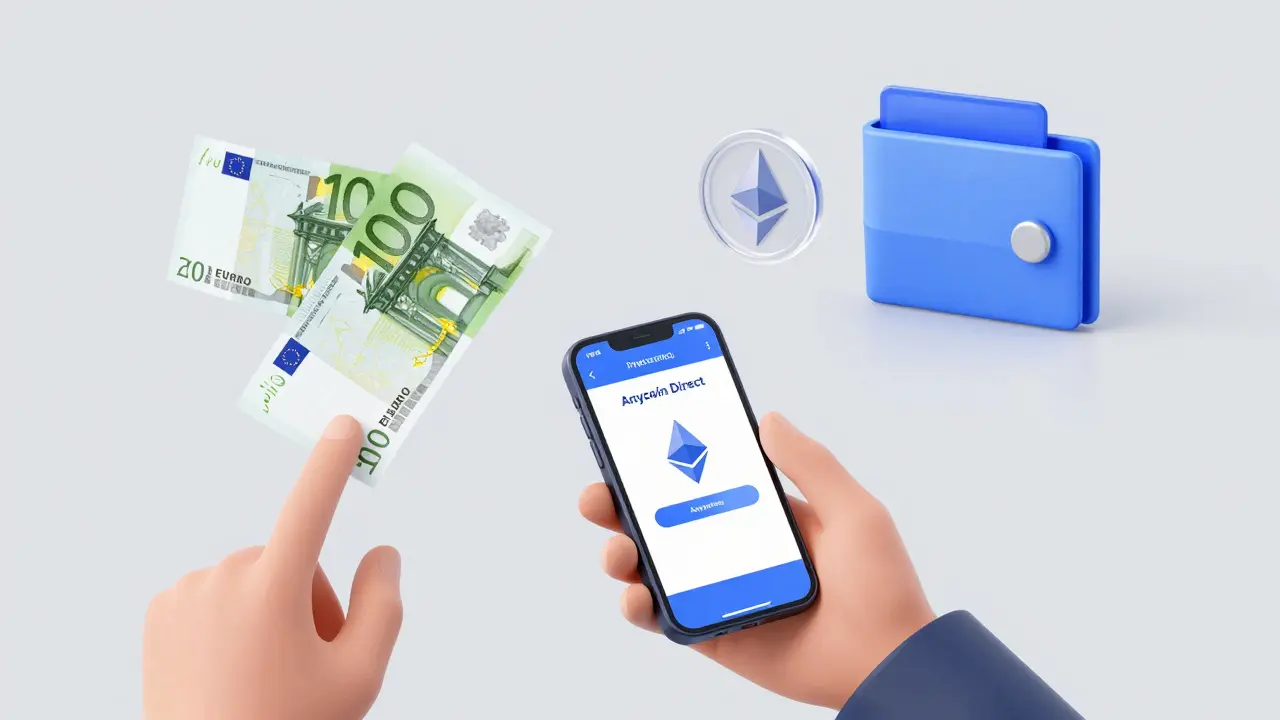
Anycoin Direct is a user-friendly crypto brokerage for Europeans, offering simple buying and selling with strong support - but hidden fees and strict verification make it better for beginners than serious traders.
Arcade (ARC) lets you earn crypto rewards from Play-to-Earn games without playing. Backed by real gaming revenue, not token inflation, it's a unique passive income model in GameFi. Learn how it works, its risks, and whether it's worth trying in 2026.
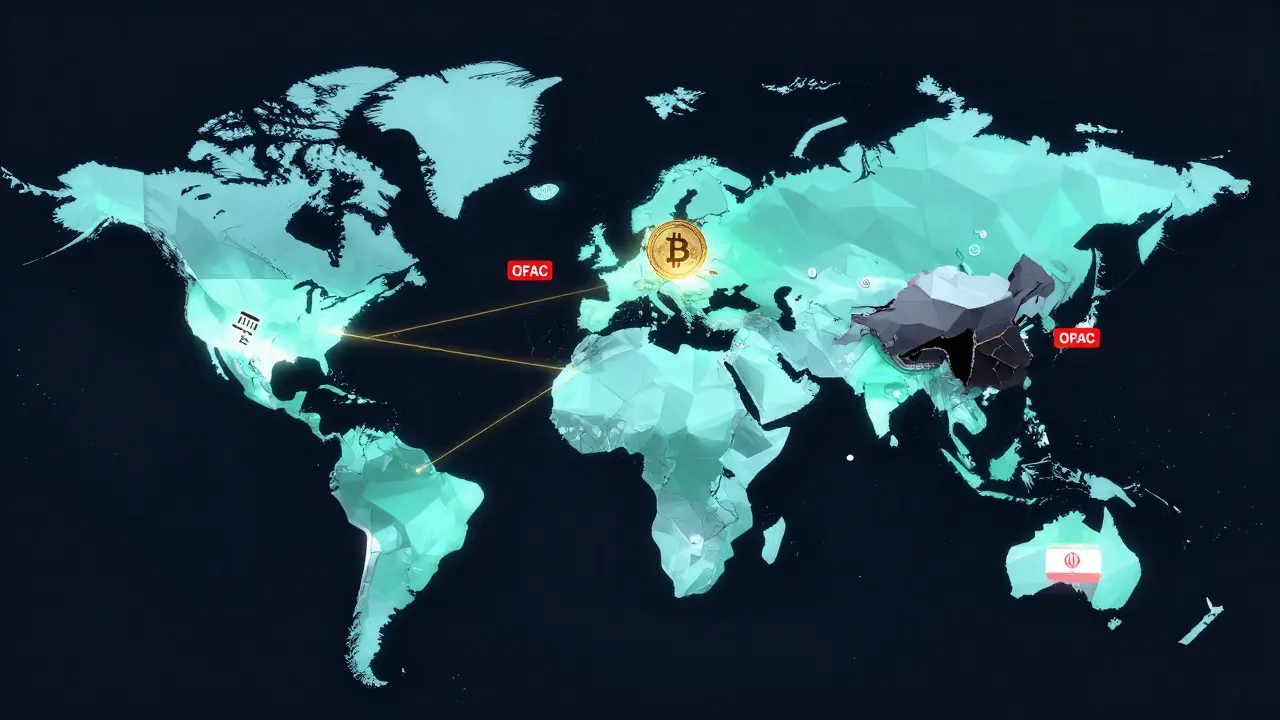
Coinbase restricts crypto trading in over 60 countries due to U.S. sanctions and local laws. Learn which countries are blocked, why, and what alternatives exist in 2026.