
Learn how to effectively track smart contract interactions on blockchain networks using events, logs, and specialized tools. Understand the key methods for monitoring DeFi, NFTs, and enterprise applications.
Explore the best token distribution models for blockchain projects. Learn about vesting, airdrops, and how to balance investor needs with community growth.
Learn how Wrapped Bitcoin (WBTC) bridges the gap between BTC and Ethereum, allowing you to use your Bitcoin in DeFi protocols while maintaining a 1:1 value peg.
Discover how blockchain is transforming supply chain management through immutable ledgers, smart contracts, and IoT to eliminate fraud and boost transparency.
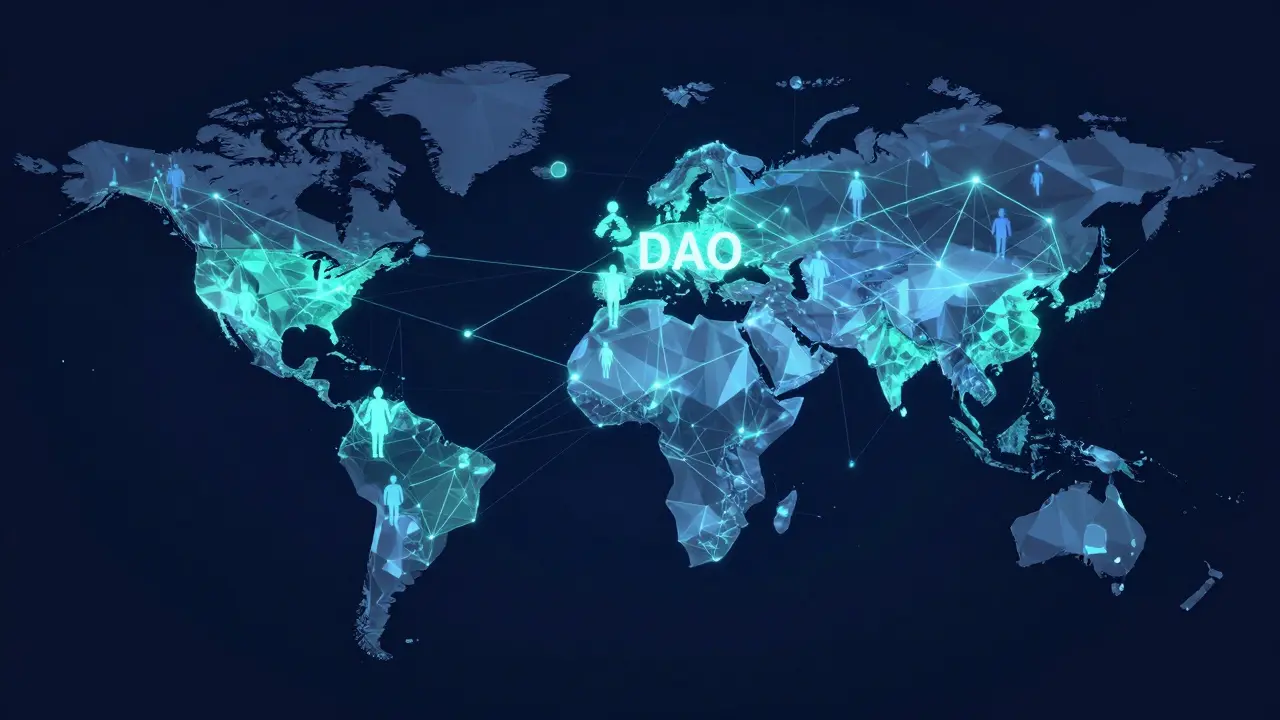
Explore the evolution of DAO governance from simple token voting to AI-driven and reputation-based models. Learn how to solve voter apathy and whale dominance.
Explore the world of Blockchain Identity Standards. Learn how DIDs and Verifiable Credentials are ending centralized data breaches and giving users control of their digital IDs.
Discover what Blockchain-as-a-Service (BaaS) is, how it works, and why businesses use it to deploy blockchain apps without the high cost of building their own infrastructure.
Learn how to use on-chain metrics for fundamental analysis to spot market tops and bottoms. Master MVRV, NVT, and exchange flows to trade crypto with data.
Explore the evolution of Cross-Chain NFT Standards in 2026. Learn about native asset transfers, Chainlink CCIP, ERC-7683, and how to achieve true NFT interoperability.
Discover how public key cryptography uses private and public key pairs to secure crypto wallets and transactions, ensuring only the owner can access their funds.
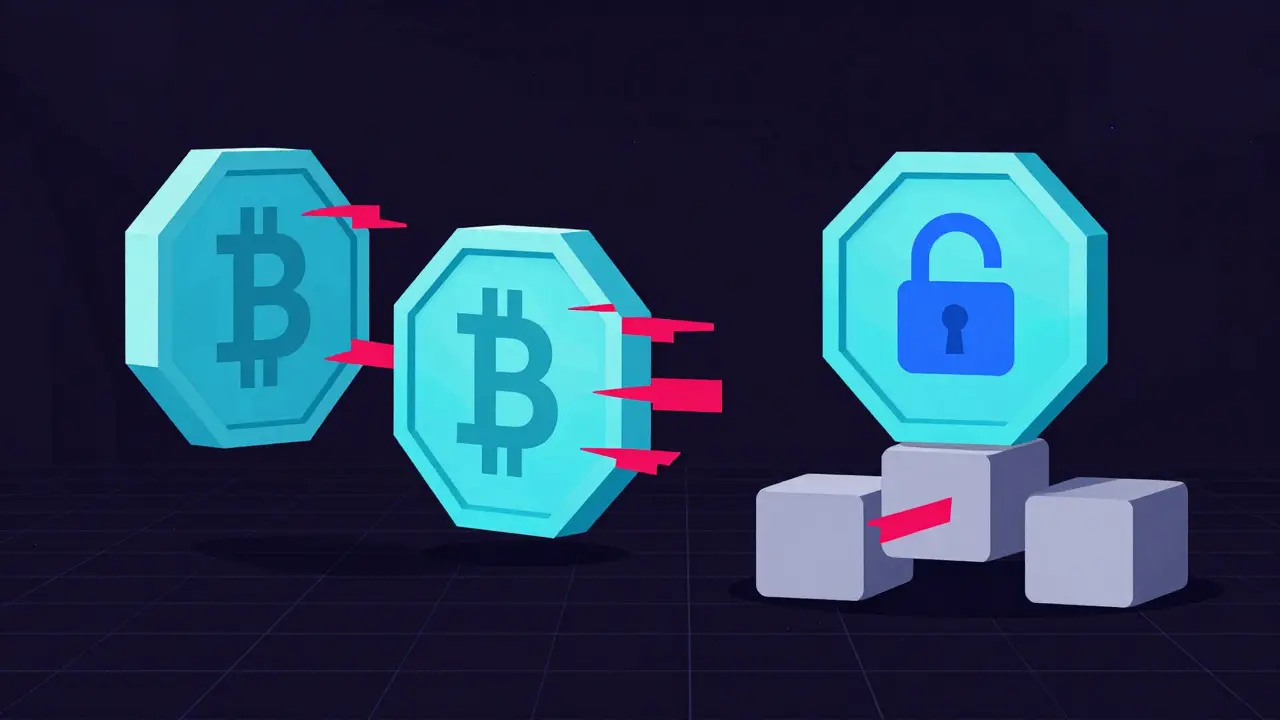
Learn how blockchain finality stops double spending. We explain the mechanics of Bitcoin security, Proof-of-Stake finality, and how developers protect against transaction reversals.
Blockchain blocks store transaction data using cryptographic hashes, Merkle trees, and immutable linking to create a tamper-proof ledger. Each block contains a header, transaction list, and a reference to the previous block, ensuring security without central control.