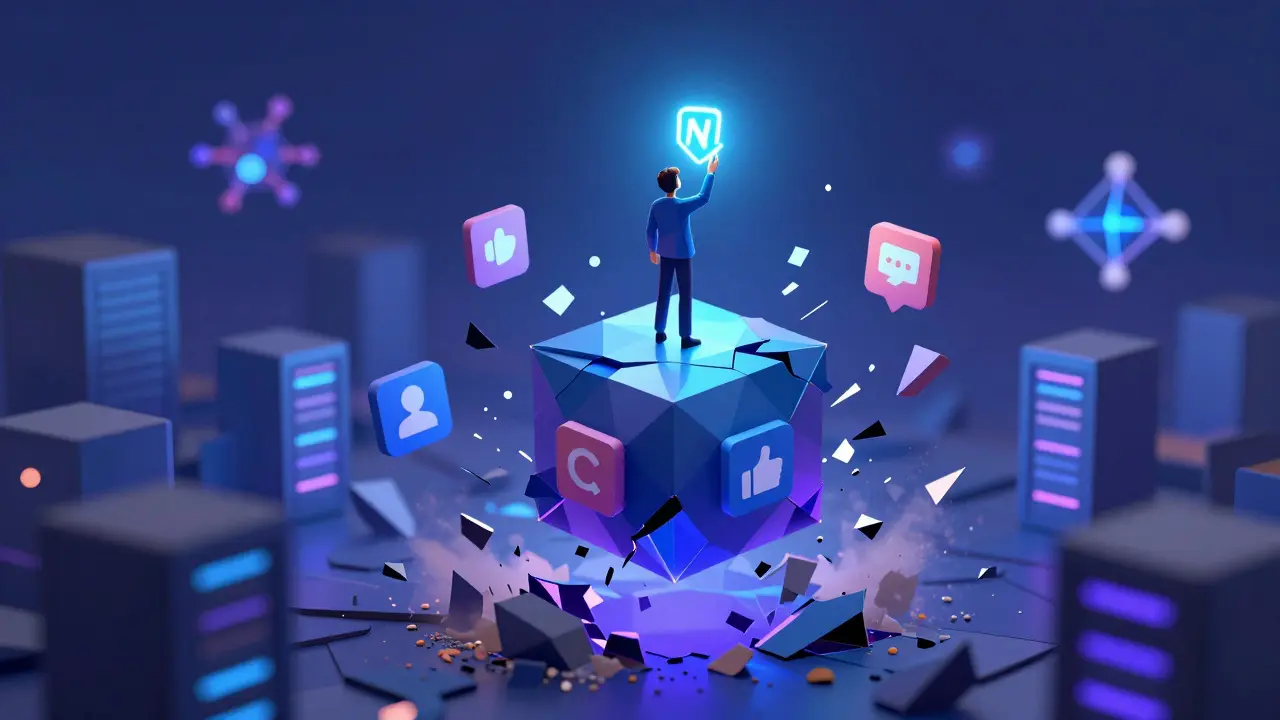

Web3 social media lets you truly own your content - not just post it. With NFTs and blockchain, your posts, followers, and reputation are yours to control, sell, and move. No platform can delete them. No middleman takes your cut.
Digital signature algorithms like ECDSA, EdDSA, Schnorr, and BLS secure every blockchain transaction. Learn how each works, where they're used, and why the future is moving toward aggregation and quantum resistance.
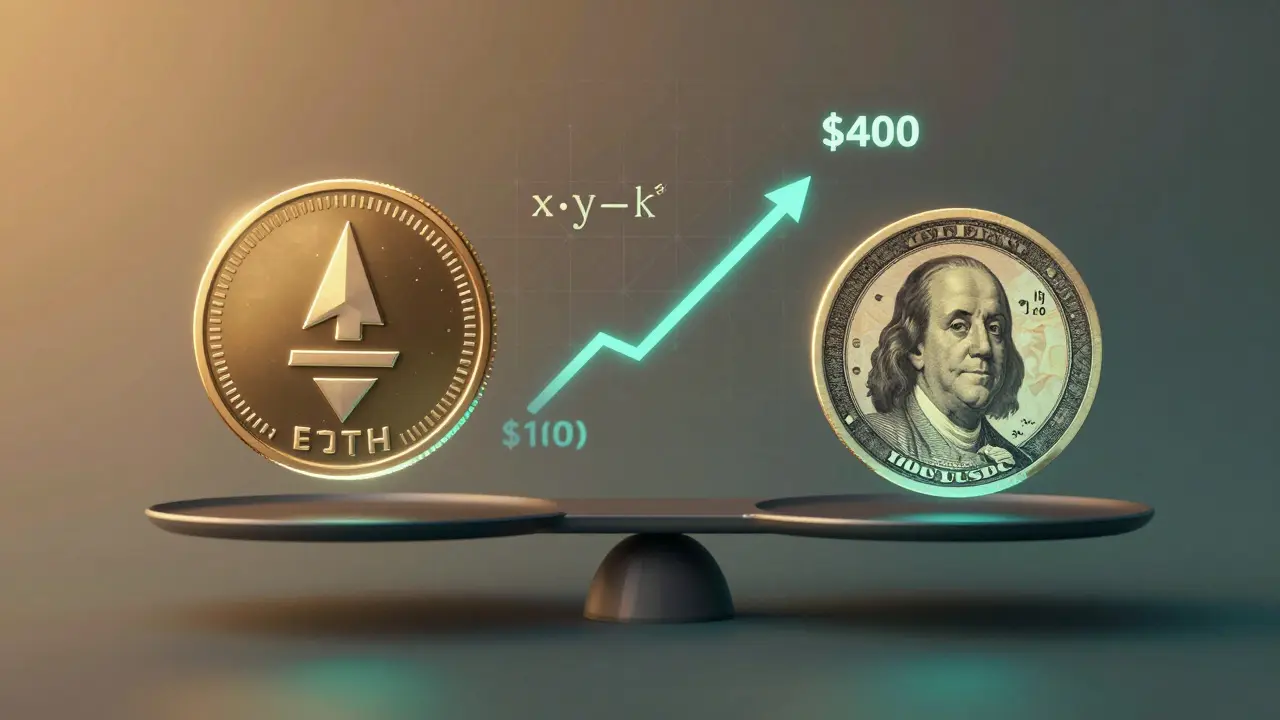
Impermanent loss is a key risk in DeFi liquidity pools when token prices shift. Learn how it works with real examples, why stablecoins reduce it, and how fees can offset losses.
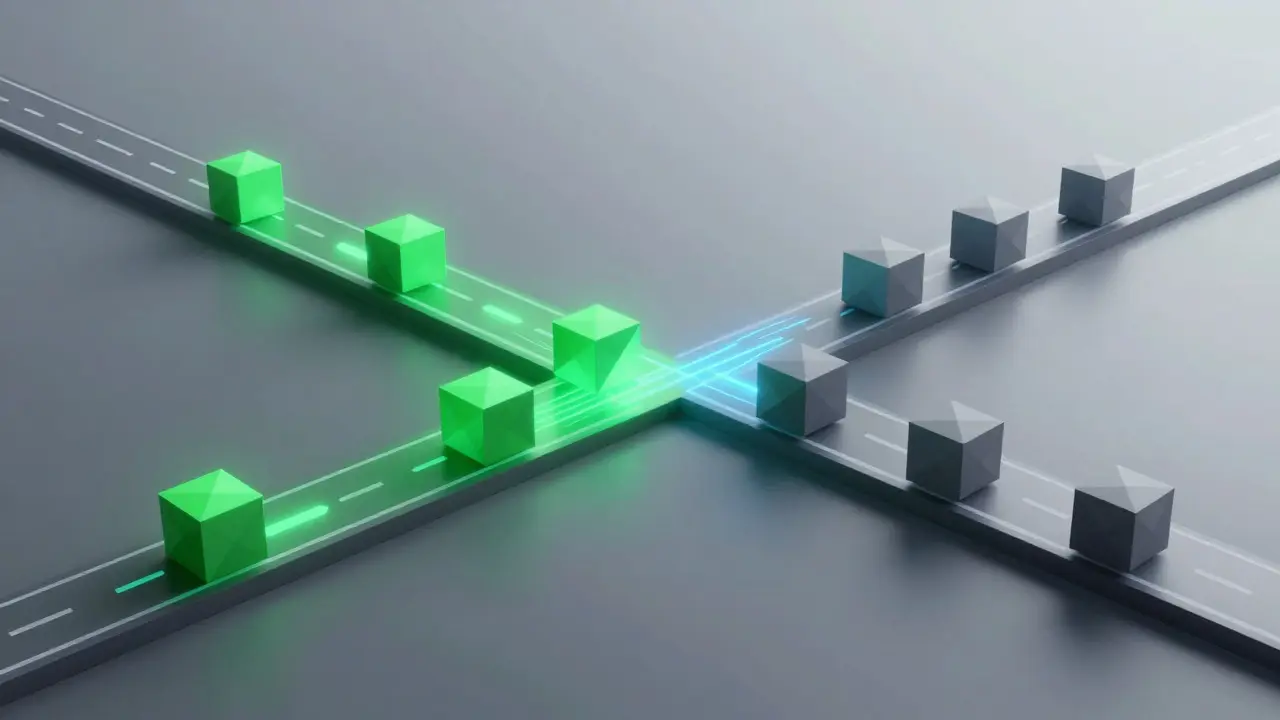
A blockchain fork splits a network into two paths when consensus breaks. Learn how soft and hard forks work, why they happen, and what it means for your crypto holdings.
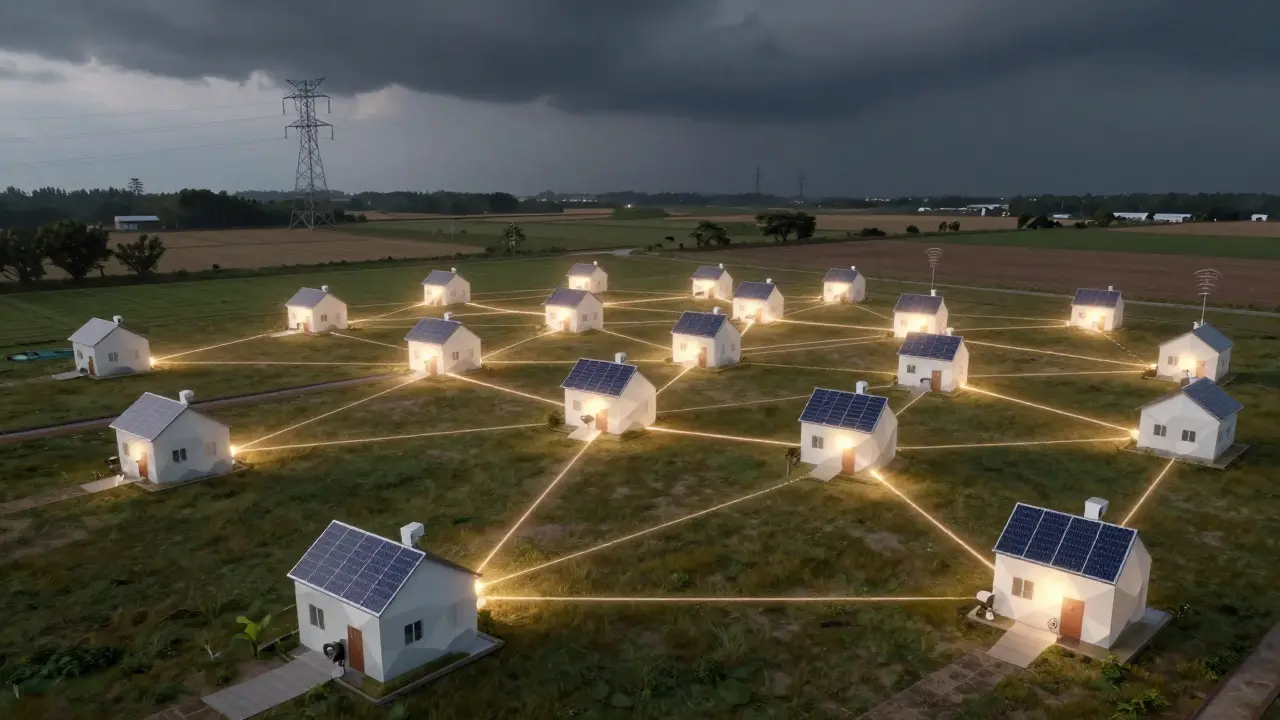
Decentralized infrastructure uses blockchain to distribute control over energy, internet, and computing systems - reducing costs, increasing resilience, and empowering users. Real-world examples show it's already working.
Learn the key differences between planned and contentious blockchain forks - how they impact network stability, community trust, and long-term value. See real examples from Ethereum, Bitcoin Cash, and more.
Learn how to create and sell NFT art in 2025 with step-by-step guidance on wallets, marketplaces, pricing, and promotion. Real strategies for artists, not hype.
Blockchain payments in 2025 settle in seconds and cost up to 95% less than traditional bank transfers. Businesses are saving millions on cross-border payments using stablecoins and networks like Ripple and Stellar.
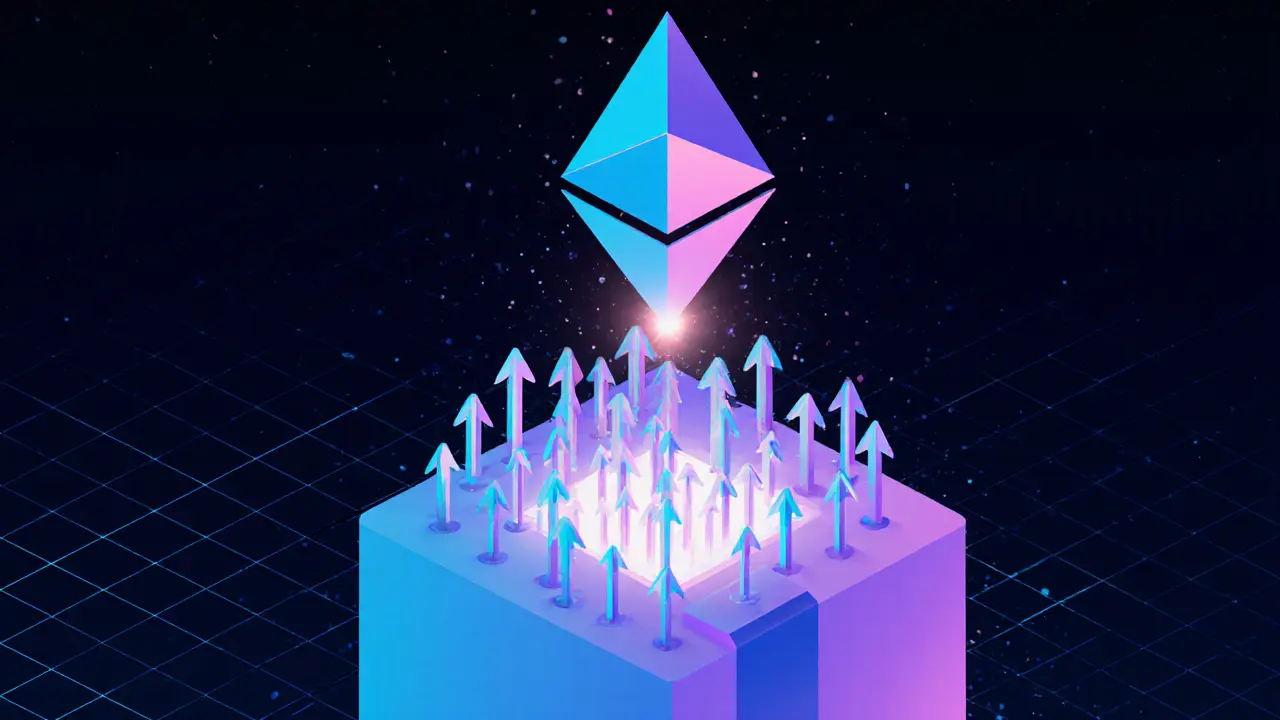
Layer 1 blockchains like Ethereum are secure but slow. Layer 2 solutions like Arbitrum and zkSync offer fast, cheap transactions by building on top. In 2025, most activity happens on Layer 2-but Layer 1 remains the foundation.
NFT royalties let creators earn from secondary sales, but not all marketplaces pay them. Learn how ERC-2981 works, why some platforms ignore royalties, and what creators and buyers should do in 2025.
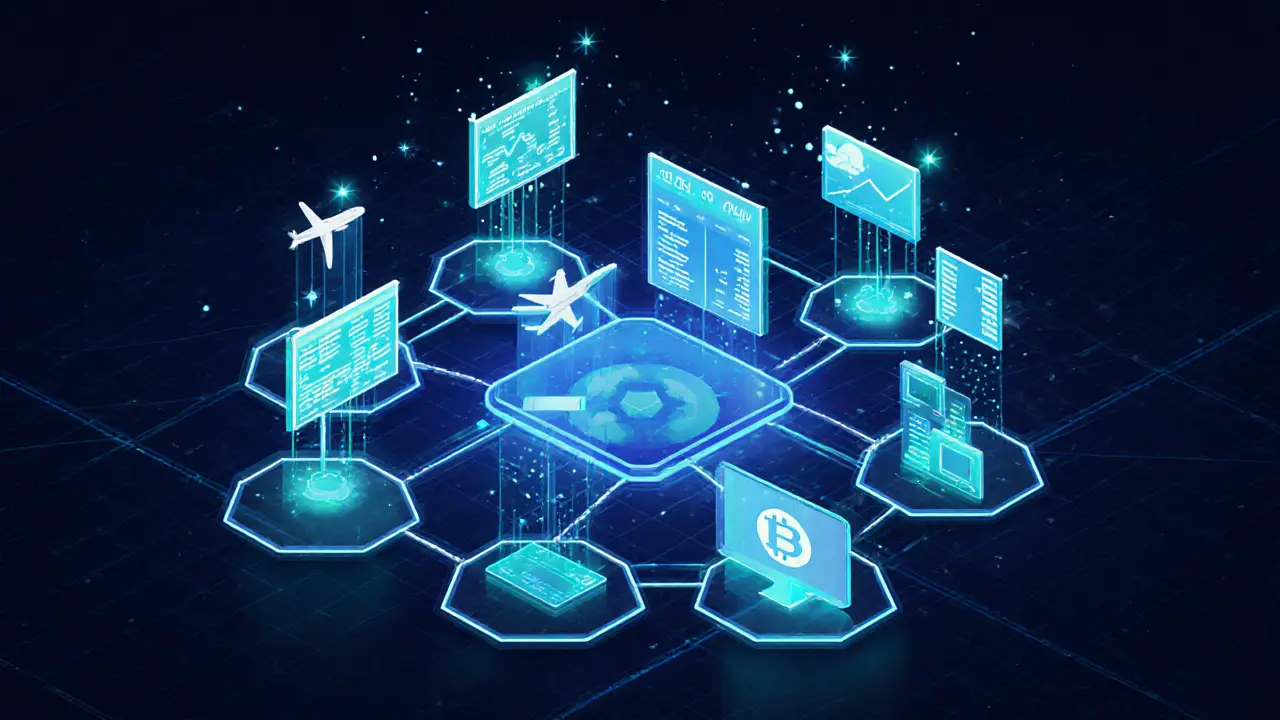
Blockchain oracles connect smart contracts to real-world data like prices, weather, and flight status. They solve the oracle problem by securely fetching, verifying, and delivering off-chain information to blockchains. Chainlink is the dominant network, used by over 1,400 projects.
Rollup technology is transforming blockchain by slashing fees and boosting speed without sacrificing security. ZK and Optimistic rollups are already powering DeFi, NFTs, and Bitcoin apps - here’s how they’ll shape the next decade.