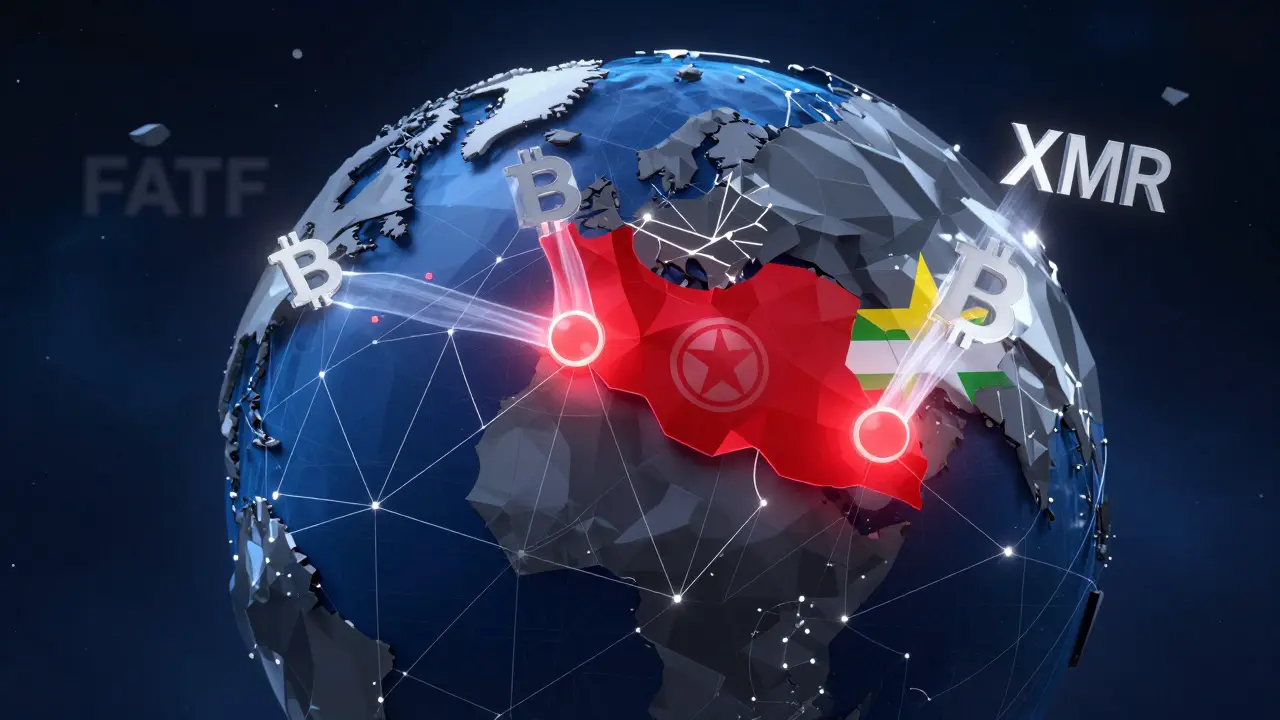

Iran, North Korea, and Myanmar are the only three countries on the FATF crypto blacklist due to state-backed hacking, sanctions evasion, and money laundering. Here's how they use cryptocurrency and why the world is struggling to stop them.
Russell (RUSSELL) is a meme coin tied to Coinbase CEO's dog, launched in late 2024. It spiked briefly then crashed 90%. No utility, no roadmap, just hype. High risk, low liquidity. Don't invest more than you can lose.
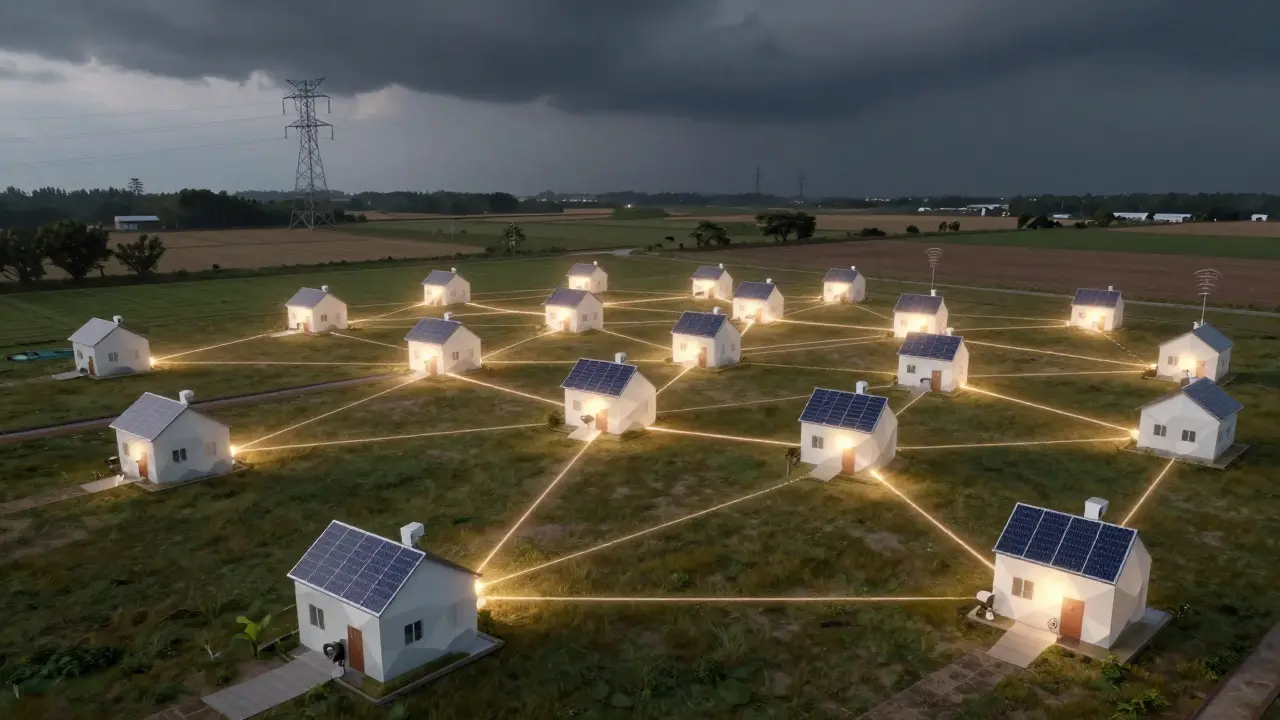
Decentralized infrastructure uses blockchain to distribute control over energy, internet, and computing systems - reducing costs, increasing resilience, and empowering users. Real-world examples show it's already working.
Aphelion isn't a crypto exchange - it's a regulated token platform offering CFD trading and a secure wallet for APH tokens. Learn what it really does, who it's for, and why fees and support are limited.
The N1 by NFTify airdrop rewarded real platform usage, not just social media follows. Learn how it worked, who won, and where to get N1 tokens now.
Learn the key differences between planned and contentious blockchain forks - how they impact network stability, community trust, and long-term value. See real examples from Ethereum, Bitcoin Cash, and more.
Malta's Blockchain Island strategy offers crypto businesses clear regulation, low effective taxes, and EU access. With MiCA compliance, no capital gains tax on holdings, and residency options, it's a top destination for compliant crypto operations.
Opium Network isn't a crypto exchange-it's a DeFi derivatives protocol for advanced users. Learn how it works, who it's for, the risks involved, and why it's not for beginners.
Learn how to create and sell NFT art in 2025 with step-by-step guidance on wallets, marketplaces, pricing, and promotion. Real strategies for artists, not hype.
Blockchain payments in 2025 settle in seconds and cost up to 95% less than traditional bank transfers. Businesses are saving millions on cross-border payments using stablecoins and networks like Ripple and Stellar.
Layer 1 blockchains like Ethereum are secure but slow. Layer 2 solutions like Arbitrum and zkSync offer fast, cheap transactions by building on top. In 2025, most activity happens on Layer 2-but Layer 1 remains the foundation.
China banned all centralized crypto exchanges in 2021, and the restrictions tightened through 2025. While owning crypto isn't illegal, trading through regulated platforms is. The government blocks access, monitors wallets, and pushes its own digital yuan instead.